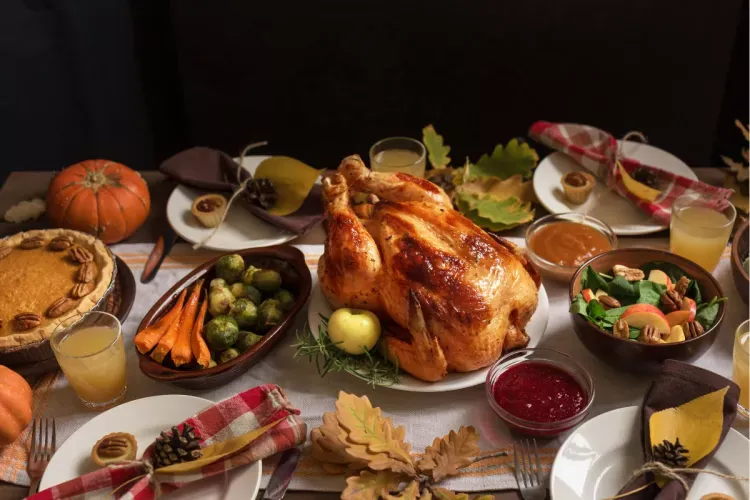
Thanksgiving food is way more than just eating until you can’t move (though that’s definitely part of the fun!). This holiday meal brings together centuries of tradition, amazing flavors, and dishes that have been passed down through families for generations. Whether you’re helping cook thanksgiving dinner for the first time or just want to understand what makes this big meal so special, this guide covers everything you need to know about classic thanksgiving menu items.
From the star turkey to the best mashed potatoes you’ll ever taste, thanksgiving recipes tell the story of America itself. These dishes blend ingredients native to America - like turkey, potatoes, and cranberry sauce - with cooking techniques from around the world. The result? A holiday meal that’s uniquely American and absolutely delicious.
Essential Thanksgiving foods you need to know
The classic Thanksgiving menu has some must-have dishes that show up on pretty much every table across America. These thanksgiving sides and main courses have earned their place through decades of family traditions and, honestly, because they just taste amazing together.
Traditional roast turkey sits at the center of every thanksgiving dinner. This bird became the star because it’s big enough to feed a crowd, tastes great, and was readily available to early American families. Most families serve their turkey with rich, savory gravy made from the drippings.
Classic stuffing is basically seasoned bread that soaks up all those delicious turkey flavors. Made with bread cubes, herbs like sage, celery, onion, and often sausage, this dish can be cooked inside the turkey or separately (which food safety experts recommend).
Cranberry sauce adds a tart, sweet contrast to all the rich, savory dishes. Whether you go homemade (which honestly beats canned every time) or stick with the jellied stuff that slides out in perfect cylinder shape, this bright red sauce is essential.
Mashed potatoes are the ultimate comfort food side dish. Creamy, buttery, and perfect for soaking up gravy, they’re a crowd favorite that even picky eaters love. The best mashed potatoes use russet potatoes, butter, cream, and just the right amount of salt and pepper.
Pumpkin pie and pecan pie round out the meal as must-have desserts. These sweet treats use seasonal ingredients and warm spices that perfectly capture fall flavors.
Green bean casserole and sweet potato casserole are popular thanksgiving sides that became family traditions in many households. The green bean version often features fresh mushrooms and a crispy topping, while sweet potato casserole can be topped with marshmallows or pecans.
How to cook the perfect Thanksgiving turkey
Cooking a whole turkey might seem scary, but it’s actually super manageable when you break it down into steps. Here are the key tips to nail your turkey on the big day.
Thawing is crucial - plan for 48-96 hours in the refrigerator depending on your turkey’s size. Never thaw at room temperature, as this can lead to dangerous bacteria growth. A 12-pound turkey needs about 3 days, while larger turkeys need even more time.
Dry brining with kosher salt is a game-changer for juicier meat and crispier skin. Rub kosher salt all over the turkey 1-3 days before cooking, then let it sit uncovered in the fridge. This technique draws out moisture initially, then the salt dissolves and gets reabsorbed, seasoning the meat throughout.
Spatchcocking is a technique where you remove the backbone with kitchen shears and flatten the turkey. This method cooks the bird faster and more evenly than traditional roasting. Use a chef’s knife or kitchen shears to cut out the backbone, then press down firmly to flatten.
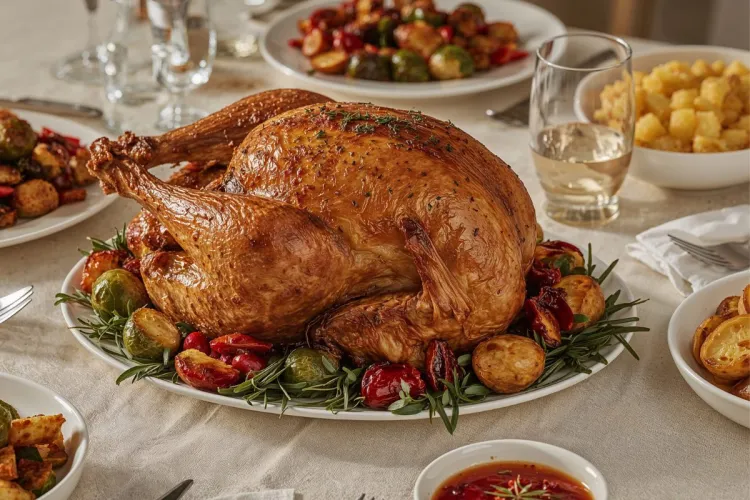
Temperature matters most - your turkey is done when the internal temperature reaches 165°F in the thickest part of the thigh. Use a meat thermometer to check, as cook mode timing can vary based on your oven and the turkey’s size.
Let the turkey rest for 20-30 minutes before carving. This allows the juices to redistribute throughout the meat, making it more tender and easier to slice.
Save those drippings in a large pot for homemade gravy. The fond (brown bits) from roasting adds incredible flavor to your gravy base.
Roast turkey with fruit stuffing and bacon rolls
Traditional roast turkey with chestnut stuffing and gravy
Must-have Thanksgiving side dishes
Thanksgiving sides are where families really get creative and show their personalities. These dishes complement the turkey and often steal the show.
Potato dishes
Classic mashed potatoes start with the right spuds - russet or Yukon Gold work best. The recipe calls for butter, cream (or milk), and proper seasoning. For the creamiest results, use a potato ricer or food mill instead of a regular masher. Some families add roasted garlic, cream cheese, or sour cream for extra richness.
Creamy mashed potatoes can be made even better with additions like cheddar cheese for a sharp flavor kick. The key is to mash the potatoes while they’re still hot and add warm milk or cream gradually.
Scalloped potatoes and cheesy potato gratin offer baked alternatives that are rich and indulgent. These dishes layer thinly sliced potatoes with cream and cheese, then bake until fork tender and golden on top.
Crispy herb roasted potatoes provide a lighter option that’s still packed with flavor. Toss small potatoes with olive oil, fresh herbs, salt, and pepper, then roast on a baking sheet until crispy outside and tender inside.
Mashed sweet potatoes bring natural sweetness to the table. Sweet potato casserole often gets topped with marshmallows or a crunchy pecan streusel, making it almost like dessert.
Vegetable sides
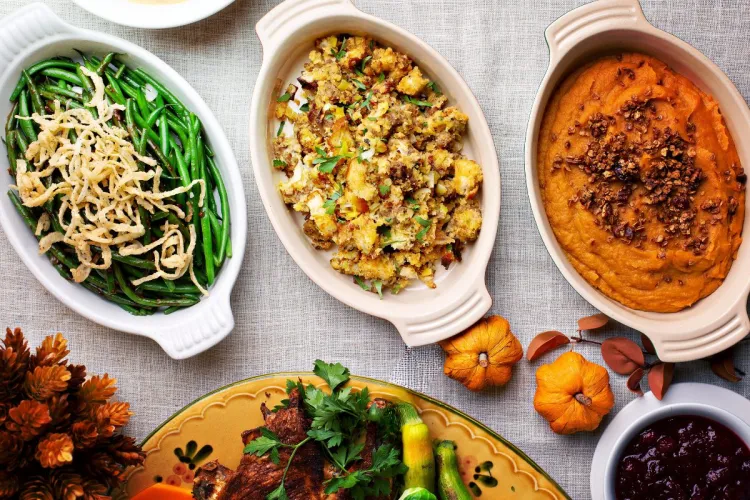
Green bean casserole is a thanksgiving classic that many families can’t imagine the holiday without. The best versions use fresh green beans and mushrooms instead of canned ingredients. Sauté fresh mushrooms with onions, mix with tender green beans, and top with crispy fried onions.
Roasted brussels sprouts have won over even former sprout-haters when prepared right. Cut them in half, toss with olive oil and kosher salt, then roast until the outer leaves get crispy. Try adding bacon pieces or a honey glaze for extra flavor.
Glazed carrots and roasted butternut squash add beautiful color and natural sweetness to your thanksgiving menu. Roasted squash becomes caramelized and tender, while glazed carrots get a shiny coating of butter and brown sugar.
Creamy mac and cheese serves as the ultimate crowd-pleasing comfort food. While not traditional everywhere, this dish has become a thanksgiving staple in many families, especially those with kids.
Stuffing and bread
Traditional bread stuffing combines cubes of day-old bread with sage, celery, and onions. The mixture gets moistened with chicken or turkey broth and baked until golden. Some recipe variations add sausage for extra richness and flavor.
Cornbread stuffing offers a Southern twist with its slightly sweet, crumbly texture. This version often includes sausage and has a different texture than regular bread stuffing.
Wild mushroom stuffing elevates the dish with sophisticated flavor from varieties like shiitake, cremini, or oyster mushrooms. Sauté the mushrooms until caramelized before mixing with the bread.
Homemade dinner rolls and biscuits are perfect for soaking up all that delicious gravy. Fresh, warm dinner rolls can make any meal feel more special and provide the perfect vehicle for leftover turkey sandwiches later.
Classic Thanksgiving desserts
No Thanksgiving is complete without desserts that celebrate the flavors of fall and the sweetness of the season.
Traditional pies
Pumpkin pie reigns supreme as the most iconic thanksgiving dessert. Made with pumpkin puree, warm spices like cinnamon and nutmeg, eggs, and cream, this smooth, custard-like pie captures the essence of autumn. The filling gets rich and creamy as it bakes, and it’s traditionally served with whipped cream.
Pecan pie brings Southern charm to the dessert table with its combination of honey, corn syrup, and crunchy nuts. This sweet, gooey pie has a rich flavor that pairs perfectly with coffee after a big meal.
Apple pie or apple crisp showcases another fall favorite fruit. A flaky crust filled with cinnamon-spiced apples creates the perfect balance of tart and sweet. Apple crisp offers a more casual version with an oat-and-butter topping instead of pastry.
Sweet potato pie serves as a Southern favorite that’s similar to pumpkin pie but with its own distinct flavor profile. Sweet potatoes create a denser, more complex taste that many families prefer over pumpkin.
Alternative desserts
Pumpkin cheesecake combines two beloved desserts into one spectacular treat. The rich, creamy texture of cheesecake gets enhanced with pumpkin and warm spices, sometimes topped with caramelized marshmallows.
Apple galette offers a rustic pastry option that’s easier than traditional pie but just as delicious. The free-form tart showcases sliced apples with minimal fuss and maximum flavor.
Cranberry desserts and seasonal cookies provide lighter options for those who want something less heavy after the big meal. Cranberry-orange cookies or cranberry tart balance the rich flavors of dinner.
Make-ahead desserts save precious time on thanksgiving day. Pies can often be baked the day before, and many cookie doughs freeze well for advance preparation.
Appetizers and Drinks for Thanksgiving
Starting your thanksgiving celebration with the right appetizers and drinks sets the tone for the entire meal and keeps hungry guests happy while you finish cooking.
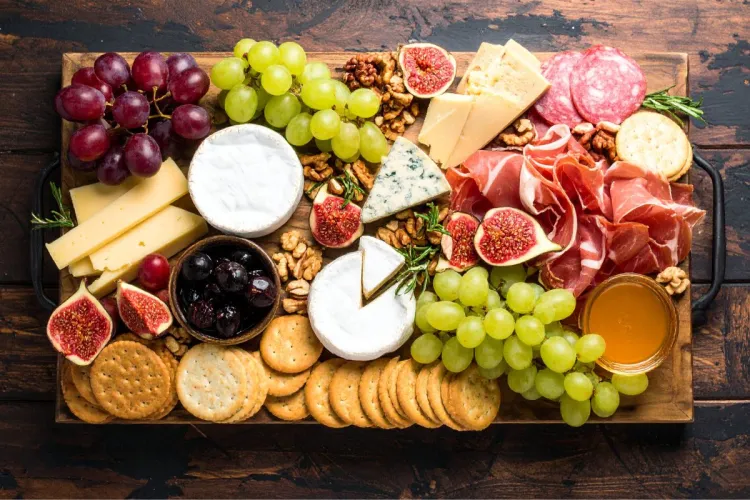
Cheese boards create an elegant spread that requires minimal cooking. Arrange brie, cheddar cheese, and other favorites with crackers, fresh fruits like grapes and pears, and seasonal nuts. A well-designed cheese board can serve as both appetizer and food styling centerpiece.
Baked brie takes cheese appetizers up a notch with minimal effort. Top a wheel of brie with cranberry sauce and chopped nuts, then bake until melted and bubbly. Serve with crusty bread or crackers.
Cranberry sangria and apple cider cocktails offer festive drinks that complement the season. Mix cranberry juice with wine and fresh fruit for sangria, or warm apple cider with cinnamon and honey for a cozy non-alcoholic option.
Wine pairings enhance the flavors of your thanksgiving food. Light white wines work well with turkey, while red wines complement the richer thanksgiving sides like stuffing and roasted vegetables.
Non-alcoholic options ensure everyone can enjoy special drinks. Spiced apple cider, cranberry juice mixed with sparkling water, or hot chocolate with seasonal spices create inclusive options for all ages.
Thanksgiving food prep and timing tips
The key to a successful thanksgiving dinner is planning ahead and breaking tasks into manageable pieces. Here are essential tips to help you stay organized and enjoy the big day.
Make cranberry sauce up to one week ahead and store it covered in the refrigerator. Homemade cranberry sauce actually tastes better after the flavors have time to meld together. You can also freeze it for even longer storage.
Prep desserts 1-2 days before thanksgiving to free up oven space and reduce stress. Most pies and cookies store well and often taste better after resting. Just comment something like “made with love” when guests ask about your amazing desserts!
Start thawing your turkey 3-4 days before cooking depending on its size. This is the step that trips up many home cooks, so mark your calendar and plan accordingly. Keep the turkey in its original wrapper and place it in a large pot or on a rimmed baking sheet to catch any drips.
Create a cooking schedule to have everything ready at the same time. Work backward from your desired serving time, accounting for turkey resting time, reheating sides, and final prep work. Write down when each dish needs to start cooking.
Set the table and prepare non-cooking tasks the night before thanksgiving. This includes arranging flowers, setting up serving dishes, and preparing any garnishes. Having these details handled lets you focus on cooking the next day.
Prep vegetables in advance by washing, chopping, and storing them properly. Celery, onions, and other sturdy vegetables can be cut up to two days ahead. Store them in airtight containers in the refrigerator.
What to do with Thanksgiving leftovers
One of the best parts of thanksgiving might actually be the days that follow, when creative cooks transform leftover turkey and sides into completely new meals that are just as delicious as the original feast.
Turkey sandwiches represent the classic leftover solution that never gets old. Layer slices of leftover turkey with cranberry sauce, stuffing, and maybe some fresh lettuce between slices of your homemade dinner rolls. The combination of flavors brings back all the comfort of the original meal in handheld form.
Turkey soup transforms leftover vegetables and gravy into a warming, comforting dish perfect for cold fall days. Use the turkey carcass to make stock, then add leftover vegetables, fresh herbs, and noodles or rice. This meal can feed a family for days and tastes even better year round when you’re craving thanksgiving flavors.
Breakfast hash gives leftovers a morning makeover by combining diced leftover turkey, potatoes, and stuffing in a skillet until crispy and heated through. Top with fried eggs for a hearty breakfast that transforms thanksgiving sides into something completely new.
Proper storage keeps your leftovers safe and tasty. Refrigerate all leftovers within 2 hours of serving to prevent bacterial growth. Most cooked dishes last 3-4 days in the refrigerator. You can freeze leftover turkey for up to 12 weeks when properly wrapped.
Creative recipes help prevent leftover fatigue throughout the week. Try turkey paninis with cranberry sauce and cheese, turkey tortilla soup with southwestern spices, or turkey fried rice with leftover vegetables. These dishes prove that thanksgiving flavors work well beyond the traditional presentation.
Turkey salad provides a lighter option similar to chicken salad but with more complex flavors from the herb-seasoned turkey. Mix diced turkey with mayonnaise, celery, cranberries, and nuts for a filling that works in sandwiches or over fresh greens.
Creating your perfect Thanksgiving experience
Thanksgiving food represents more than just recipes and cooking techniques - it’s about creating memories, honoring traditions, and bringing people together around a table filled with love and delicious dishes. Whether your family follows every classic thanksgiving tradition or creates new ones with international flavors, the heart of the meal remains the same: sharing good food with people you care about.
The beauty of thanksgiving recipes lies in their flexibility. Some families swear by their grandmother’s secret ingredient in the stuffing, while others boldly experiment with fusion flavors that reflect their heritage. Both approaches celebrate the true spirit of this uniquely American holiday that embraces abundance, gratitude, and community.
Remember that the perfect thanksgiving dinner isn’t about executing every dish flawlessly - it’s about the experience of cooking, sharing, and enjoying a big meal together. Even if your turkey runs a little dry or your mashed potatoes turn out lumpy, the love and effort you put into creating this special holiday meal is what your family will remember.
As you plan your thanksgiving menu this year, consider mixing traditional favorites with one or two new dishes that reflect your family’s unique story. Food traditions evolve naturally over time, and your thanksgiving table can honor the past while creating new memories for future generations to treasure.
Whether you’re cooking your first thanksgiving dinner or your fiftieth, these classic dishes and cooking tips will help you create a meal that’s both delicious and meaningful. After all, the best thanksgiving food isn’t just about perfect recipes - it’s about the perfect excuse to gather around the table and celebrate all the good things in life.