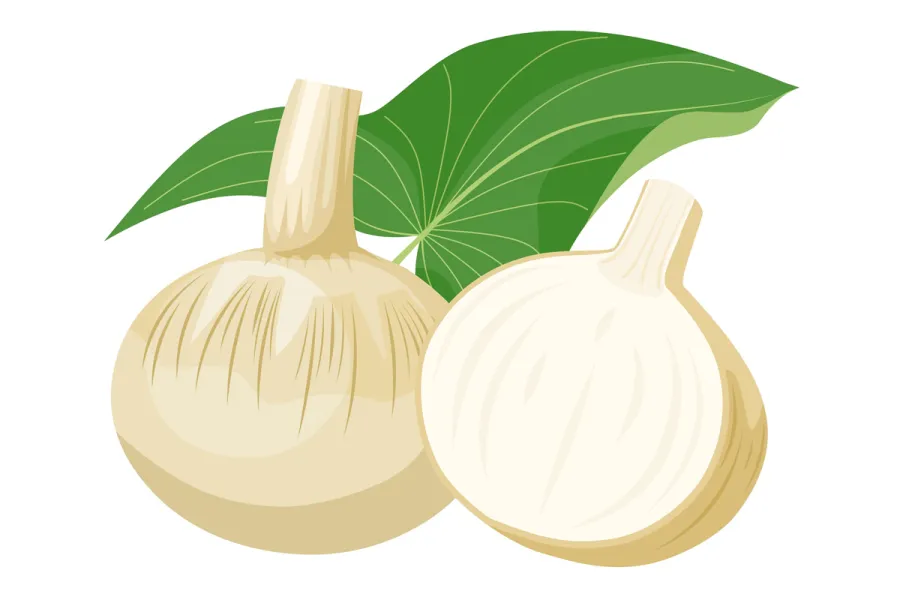
Swamp potatoes are perennial aquatic plants with distinct arrow-shaped leaves. They grow in shallow water habitats like swamps, marshes, and ponds.
Swamp potatoes
The plant features long, trailing vines, beautiful heart-shaped leaves, and tuberous roots that are absolutely delicious. The tubers have a delightfully starchy texture similar to regular potatoes, with a mildly sweet, nutty flavor that's simply irresistible, often described as having a taste similar to potatoes and chestnuts.
While swamp potatoes aren't as widely cultivated as other tubers, they offer delightful variations in size, shape, and sweetness depending on their region and growing conditions. Some varieties present a more fibrous texture, while others are beautifully smooth and creamy, each bringing its own unique character.
The edible part are the starchy, potato-like tubers (underground storage organs) that were a traditional and important food source for many Native American tribes, but their leaves are also consumed as a leafy green vegetable in many cultures.
Description
The swamp potato is a herbaceous perennial aquatic plant. Typically grows between 2 and 5 feet (60–150 cm) in height.
The most distinctive feature. They are arrow-shaped or "sagittate" (like an arrowhead), with two prominent backward-pointing basal lobes. Leaves are emergent (rise out of the water) and grow on long stalks. The flowers appear from mid-summer to early fall (July through September). They are small, white, and arranged in whorls of three along a tall spike-like stem. The flowers have three white petals.
The primary and most valued edible part of the swamp potato plant is the tuber, but other parts are also consumed.
The tubers are small, starchy storage organs (also called corms or turions) that form on the ends of rhizomes beneath the mud or water in late summer and fall. They are typically white or bluish and range from 0.5 to 5 cm (1/4 to 2 inches) in diameter
Origin and history
Swamp potatoes have a rich cultural heritage, believed to have originated in the tropical and subtropical regions of Asia, particularly in Southeast Asia, where they've been lovingly cultivated for centuries. They're a cherished staple food in many cultures, especially in communities blessed with abundant wetlands. Over time, these remarkable tubers traveled to other parts of the world, including Africa and the Americas, where they continue to thrive in similar conditions.
Where to find swamp potatoes
You'll discover swamp potatoes in regions with tropical climates, where they're treasured in local markets throughout Southeast Asia, parts of Africa, and South America. In other parts of the world, seek them out in specialty stores or international markets for an authentic taste experience.
Forms Available: Fresh tubers, dried slices, or beautifully processed into flour.
Buying Tips: Look for firm, unblemished tubers with no signs of mold or rot—they should feel solid and promising!
Storage: Store fresh swamp potatoes in a cool, dark, and dry place where they'll stay fresh for several weeks. Dried or powdered forms should be lovingly stored in airtight containers to maintain their wonderful freshness.
Swamp potatoes can be skillfully processed into flour, perfect for baking or as a natural thickening agent. They can also be carefully dried and ground into powder for long-term storage. In some regions, they're traditionally fermented to create beloved alcoholic beverages that celebrate local culinary heritage.
Preparation and cooking
Swamp potatoes are incredibly versatile and invite you to explore various delicious preparations:
Boiled or steamed: To lovingly retain their natural sweetness and nutrients.
Mashed: As a comforting side dish or delightful filling for pastries.
Fried: To create crispy chips or golden fritters.
Soups and stews: Adding a beautifully creamy texture and gentle flavor.
Baked: As a wonderfully healthier alternative to fried snacks.
In many cultures, the young leaves and shoots of the plant are also lovingly consumed as a nutritious leafy green vegetable. The leaves are often stir-fried or added to soups and stews.