Nepali food
Dishes, daily meals and culinary traditions.
Nepali cuisine stands apart from its neighbors India and Tibet, shaped by the dramatic landscapes of the Himalayas, the fertile Terai plains, and the bustling Kathmandu Valley. While you’ll find echoes of South Asian and Central Asian cooking, Nepali food has developed its own distinct identity through centuries of relative isolation and the influence of over 125 ethnic groups.
Kathmandu, the capital city, serves as the main hub where you can taste everything Nepal has to offer. From popular street food stalls near ancient Durbar Squares to refined Newari cuisine restaurants and modern cafés catering to trekkers, the city presents the full spectrum of Nepali culinary traditions.
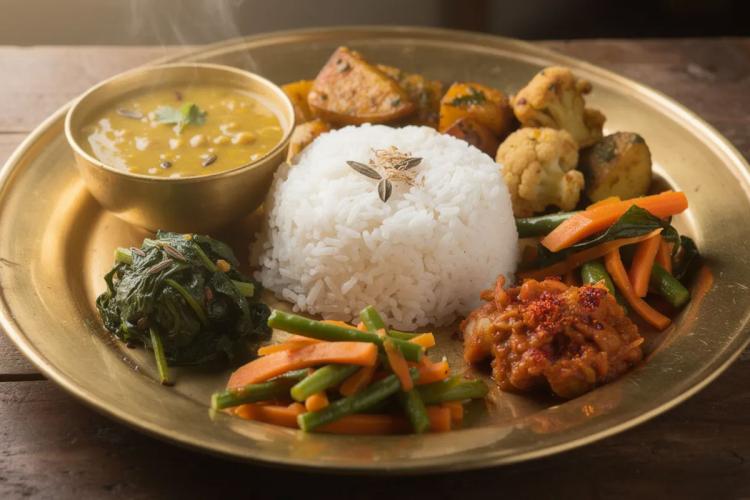
Three pillars define the food landscape. Dal bhat—the combination of lentil soup, steamed rice, and vegetable curry—is the national dish eaten twice daily by most Nepali people. Momos, those beloved dumplings with minced meat or vegetables, have become the country’s most famous street food. And Newari cuisine from the Kathmandu Valley offers elaborate ritual feasts featuring buffalo meat, beaten rice, and complex spice combinations.
The pantry of Nepal relies heavily on local ingredients: rice from the lowlands, lentils in countless varieties, seasonal fresh vegetables, and proteins like water buffalo meat and goat. Spices remain relatively simple compared to Indian cooking—cumin, coriander, turmeric, ginger, and the distinctive jimbu herb from high altitudes give Nepali food its characteristic earthy warmth.
Geography, culture and how they shape Nepali food
Nepal, the federal democratic republic nestled between India and China, spans some of Earth’s most dramatic terrain. The country rises from the low-lying Terai plains along the Indian border, through the fertile middle hills, to the highest peaks on the planet, including Mount Everest. Kathmandu sits in a high valley at approximately 1,400 meters elevation, serving as the cultural crossroads where trading traditions from two countries and many regions converge.
This geography directly shapes what people eat. In Northern Nepal and mountain regions near the Himalayan passes, harsh alpine climate limits agriculture to hardy crops. Buckwheat flour, millet, and barley dominate, while yak milk products provide essential fats and proteins. The middle hills—home to most of the population—support rice terraces, maize, lentils, and abundant leafy greens. Down in the Terai, the flat alluvial plains yield large quantities of rice, fish from rivers, and vegetables year-round, with stronger culinary influence from India.
Ethnic diversity adds another layer. Newar people of the Kathmandu Valley developed perhaps Nepal’s most elaborate food culture, centered on ritual feasts and buffalo preparations. Thakali cuisine from the Annapurna region became famous along trade routes for offering the best food to travelers—their restaurants now populate Pokhara and Kathmandu. Sherpa and Tibetan-influenced communities in the north favor warming dishes like thukpa and tsampa. In the southern plains, Madhesi and Tharu communities cook with mustard oil and incorporate more fish and river foods.
Nepal remained relatively closed to outside influence until the mid-twentieth century, which preserved traditional dishes even as Western food arrived in cities. Today, Kathmandu and Pokhara offer international options, but step into any village or trekking teahouse and you’ll find culinary traditions largely unchanged for generations.
Daily meals in Nepal: breakfast, lunch, dinner and etiquette
Understanding the rhythm of meals helps explain why dal bhat appears so often on Nepali tables—and gives visitors insight into local customs worth respecting.
Breakfast in Kathmandu Valley typically means milk tea (chiya) accompanied by something light. Urban families might have sel roti, bread with eggs, or biscuits. In trekking areas, Gurung bread or Tibetan bread with honey and jam fuel early morning departures. Village life often starts with simpler fare—leftover rice, boiled potatoes, or chiura (beaten rice) with curd before heading to the fields.
The main meal for most Nepali families is dal bhat tarkari, eaten twice daily: once in the late morning (around 10-11 AM) and again in the early evening (around 7-8 PM). This pattern reflects agricultural life where heavy physical labor demands substantial fuel. Between these meals, light snacks—tea with beaten rice, momos, or fried potatoes—bridge the gap.
Lunch consists of the classic combination: bhat (steamed rice), dal (lentil soup spiced with turmeric and cumin), tarkari (vegetable curry, often potato and cauliflower), saag (leafy greens), and achar (spicy pickle). When budget allows, families add meat curry—usually goat or chicken. Dinner follows the same pattern, though urban families increasingly eat lighter evening meals with more variety including noodles and snacks.
Etiquette at the table
Eating with the right hand remains traditional throughout Nepal. The left hand is considered unclean and should not touch food or serving dishes. When eating dal bhat, use your right fingers to mix rice with dal and form small portions to bring to your mouth—this technique takes practice but locals appreciate the effort.
Remove shoes when entering homes for meals. In rural areas, expect to sit on the floor or low stools around a shared eating space. Food purity matters: avoid touching others’ plates, and don’t offer food from your own plate with utensils or fingers that have touched your mouth.
Hospitality runs deep. Hosts will encourage you to eat more, often refilling your plate before you finish. Politely declining requires persistence—a simple “pugyo” (enough) repeated several times eventually works. In Kathmandu restaurants, utensils are standard, but trying the traditional hand-eating method adds to the authentic experience.
Dal bhat and everyday vegetarian dishes
Dal bhat tarkari is the national dish of Nepal, eaten daily from the subtropical Terai to villages beneath the highest peaks. On trekking routes, you’ll encounter the famous saying: “Dal bhat power, 24 hour”—reflecting the sustained energy this balanced meal provides.
A typical dal bhat thali in Kathmandu or Pokhara arrives as a feast on a single plate or tray. The components work together: steamed rice forms the foundation, lentil soup provides protein and warmth, tarkari (perhaps potato-cauliflower or pumpkin) adds substance, saag contributes iron-rich greens, and achar brings spice and acidity to cut through the starches. Optional additions include meat curry for non-vegetarians or fresh yogurt for cooling balance.
The “bottomless refill” tradition makes dal bhat exceptional value. In roadside dhabas and Thakali restaurants throughout Nepal, servers circulate offering more rice and dal until you signal you’re finished. This generosity reflects Nepali hospitality while ensuring laborers and trekkers get the calories they need.
Key vegetarian sides
Several preparations accompany dal bhat across the country:
- Achar: These pickles and chutneys range from quick tomato-chili sauce to fermented radish preparations aged in clay pots. Every household has signature versions.
- Gundruk: Fermented mustard, radish, or cauliflower greens, sun-dried and later cooked into tangy soup or sautéed with spices. This preserved vegetable carries intense umami flavor.
- Seasonal vegetables: Fried karela (bitter gourd), iskus (chayote) curry, and simple alu (potato) preparations rotate based on what’s fresh in local markets.
The nutritional value of dal bhat explains its staying power. The combination delivers complete protein from lentils, complex carbohydrates from rice, fiber and vitamins from vegetables, and beneficial fermented elements from pickled vegetables. Farmers and trekkers covering difficult terrain rely on this balance, and home cooks anywhere can appreciate how satisfying simplicity becomes when ingredients work together.
Dhido, chiura and other traditional staples
Before rice became universally accessible, highland and rural communities relied on heartier grains. These traditional dishes remain common in certain regions and represent older culinary traditions worth knowing.
Dhido is thick porridge made from buckwheat flour, millet, or cornmeal, cooked until it forms a dense, moldable mass. More typical in highland areas and rural communities than in central Kathmandu, dhido is eaten hot with gundruk, achar, leafy greens, and sometimes meat or clarified butter (ghee). The texture is substantial and chewy—very different from fluffy rice—and provides long-lasting energy during cold weather or heavy labor.
Chiura, or beaten rice, plays a different role. These flattened rice flakes are eaten dry or lightly moistened, serving as quick lunches and essential components of festival food platters. Chiura is central to Newari samay baji ceremonies, where its crunch contrasts with smoky grilled meats and tangy pickles.
Near the Himalayan border, Tibetan-influenced communities rely on tsampa—roasted barley flour that serves as energy food for Sherpa communities and trekkers. Mixed with butter tea or formed into portable balls, tsampa fuels long days on mountain trails where cooking isn’t practical.
Momos, thukpa and beloved Nepali street food
After dal bhat, momos are the most iconic Nepali food, especially in Kathmandu and Pokhara. These Himalayan dumplings show strong Tibetan influence but have become thoroughly Nepali through local adaptations and the sheer devotion they inspire.
Momos: The beloved dumplings
Momos feature thin wheat wrappers encasing various fillings. Traditional versions use minced buffalo meat (commonly called “buff”), though chicken and vegetables are equally popular. Tourist areas offer innovations like cheese-filled or paneer momos. The dumplings are typically steamed, though deep fried versions (called “kothey” when pan-fried on one side) offer crispy contrast.
Every momo comes with achar—usually a fiery tomato-based sauce, sometimes incorporating sesame seeds for nuttiness. Street stalls throughout Kathmandu sell out by mid-afternoon; serious momo hunters know to arrive for late lunch.
Thukpa: Warming noodle soup
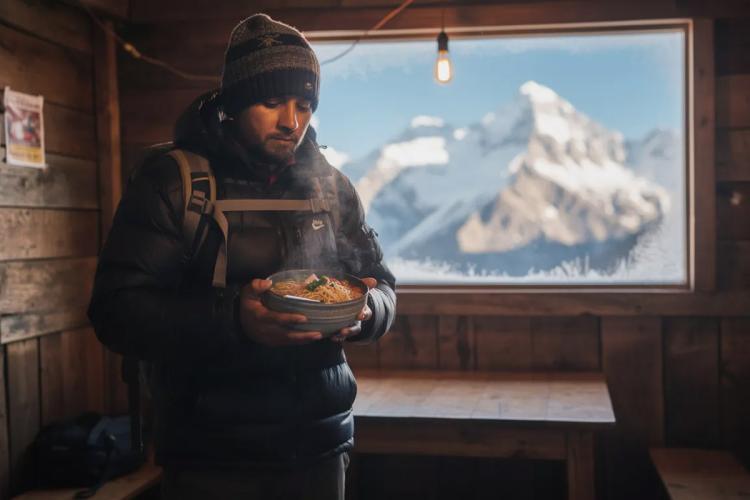
Thukpa is the noodle soup of choice in Himalayan teahouses along the Everest, Langtang, and Annapurna routes. Hand-pulled or dried noodles swim in savory broth with vegetables and optional meat—chicken or buff at lower elevations, occasionally yak in high regions. After a cold day of trekking, a steaming bowl of thukpa delivers comfort like few other dishes can.
Other street favorites
| Dish | Description | Where to find |
|---|---|---|
| Chowmein | Stir-fried noodles with vegetables and chicken | Everywhere—bus stations, markets, school gates |
| Samosa chaat | Fried pastry with yogurt, chickpeas, and chutneys | Street vendors near Durbar Squares |
| Aloo tareko | Spicy fried potato slices | Tea shops and roadside stalls |
| Pakora | Vegetable fritters in chickpea batter | Afternoon snack with tea |
| Aloo chop | Mashed potato patties, breaded and fried | Popular quick bite |
For home cooks, many of these snacks adapt well to any kitchen. Potatoes, onions, flour, and basic spices are all you need to recreate the flavors of Kathmandu’s bustling lanes.
Sherpa and Tibetan-influenced dishes
In regions around Everest, Langtang, and Mustang, menus blend Nepali and Tibetan traditions. Geography and centuries of trade routes across mountain passes brought lasting culinary exchange between Nepal and the Tibetan plateau.
Gurung bread and Tibetan bread appear on every trekking lodge menu. These slightly puffy flatbreads—pan-fried or deep fried—arrive at breakfast with eggs, honey, or jam. They’re denser than Indian roti but lighter than Western bread, perfect fuel for mountain days.
Yak-based foods become more common with altitude. Yak butter tea—salty, rich, and served hot—is the traditional drink of cold highland villages. The flavor takes adjustment for newcomers, but the warmth and calories are welcome at 4,000 meters. Chhurpi, made from yak milk, is an extremely hard cheese chewed as a snack; the texture resembles a dried meat more than typical cheese, and locals may work on a single piece for hours.
Tsampa deserves mention again here as the classic energy food of mountain communities. Guides and porters mix roasted barley flour with butter tea or form it into portable balls that fuel long carries without requiring cooking stops.
Newari cuisine of Kathmandu Valley
Newar people are the original inhabitants of Kathmandu, Patan, and Bhaktapur, and their culinary traditions rank among Nepal’s richest and most ritualized. Newari culture ties food directly to religious observance, with specific dishes prepared for specific festivals throughout the year.
Newari food tends to be meat-forward, with water buffalo meat (buff) taking pride of place. But the cuisine also features elaborate vegetarian preparations, complex spice combinations, and fermented elements that create depth beyond typical South Asian cooking.
Visitors can experience authentic Newari cuisine in traditional restaurants throughout the Kathmandu Valley. Bhaktapur’s old city is particularly famous for food, and areas near Patan’s Durbar Square offer excellent options. These meals transport you into Newari culture through taste.
Samay baji and festival platters
Samay baji is the ceremonial platter central to Newari celebrations. The presentation matters: small piles of distinct items arranged separately on a brass plate, each contributing different textures and flavors.
Traditional samay baji components:
- Chiura (beaten rice) as the base—crunchy and neutral
- Chhoyla (barbecued buffalo meat)—smoky and spicy
- Boiled egg—simple protein
- Spiced black soybeans—nutty and firm
- Achar (various pickles)—tangy and bright
- Small fried items like fried chicken pieces or crispy lentil patties
The combination creates a remarkable eating experience: crunch from chiura, smoke from chhoyla, acidity from pickled vegetables, heat from spices. Samay baji is central to many Newar festivals and family rituals, and the complexity of flavors reflects the sophistication of Newari culture.
Iconic Newari dishes and sweets
Savory specialties:
- Chhoyla/Choila: Grilled, heavily spiced buffalo meat with an intensely smoky character. Often very spicy, sometimes tempered with mustard oil and herbs.
- Bara (wo): Savory lentil patties made from ground black lentils, sometimes topped with egg or minced meat. These rice flour filled or lentil-based small dishes appear throughout Newari meals. Served with tomato chutney, bara resembles a savory pancake. Some call it the Nepali pizza of the Newar world for its round, topped form—though chatamari earns that nickname more often.
- Kwati: A thick soup of nine sprouted beans, prepared specially for Janai Purnima festival in August. The combination of sprouts creates unique texture and nutrition.
- Sukuti: Dried meat, intensely flavored and chewy, made from buff or sometimes yak. This preparation preserves meat for long periods and intensifies flavors.
Sweets and snacks:
- Yomari: Sweet dumplings made from rice flour filled with jaggery (unrefined cane sugar) and sesame seeds. Celebrated during Yomari Punhi after the December rice harvest around Kathmandu and Bhaktapur, these crescent-shaped treats mark the conclusion of the agricultural year.
- Juju dhau (“king yogurt”): Extra-thick sweet rice pudding-like yogurt from Bhaktapur, made from buffalo milk and set in clay pots. The texture is denser and sweeter than standard yogurt—utterly decadent.
Many Newari dishes connect to specific festivals, making them perfect for storytelling and themed menus. If you want to explore culinary traditions from other ethnic groups in Nepal, Newari cuisine offers the most elaborate starting point.
Festive foods, sweets and drinks
Nepal’s calendar overflows with Hindu and Buddhist festivals, each bringing special dishes that home cooks anywhere can adapt for celebrations.
Sel roti is perhaps the most iconic festival food. These ring-shaped breads are made from rice flour batter that’s deep fried to golden perfection—slightly sweet, crispy outside, soft within. During Dashain and Tihar (major autumn festivals), Nepali families prepare sel roti in large quantities. Eaten with yogurt, tea, or vegetable curries, these rings appear on street corners throughout Kathmandu during festival season.
Kheer (sweet rice pudding) features prominently in religious celebrations. Cooked slowly with milk, cardamom, and nuts, kheer is offered during Buddha Jayanti and on Kheer Khane Din (“rice pudding eating day”). Families gather to share this simple sweet that’s easy to make at home.
Yomari, mentioned earlier, marks the harvest festival Yomari Punhi in December, linking food directly to rice agriculture that sustains the Kathmandu Valley.
Traditional drinks of Nepal:
| Drink | Description | Where it’s common |
|---|---|---|
| Aila/Raksi | Strong rice or millet spirits | Newari communities, hill regions |
| Tongba | Warm millet “beer” drunk through bamboo straw | Eastern hills |
| Chaang | Light rice beer | Throughout hills |
| Butter tea | Salty yak butter tea | High Himalayan regions |
| Chiya | Spiced milk tea | Everywhere in Nepal |
Raksi and aila are the traditional drink of choice at Newari festivals—strong spirits that accompany elaborate feasts. Tongba offers a unique drinking experience: fermented millet in a wooden vessel, hot water added, sipped through a bamboo straw. Chaang is lighter, closer to what many countries call rice wine.
These celebratory foods and drinks can inspire themed cooking projects. Sel roti requires only rice flour and a few other ingredients; kheer comes together easily on any stovetop.
Eating out in Nepal and practical tips for travelers
Whether you’re a traveler planning to visit Nepal or a home cook dreaming of Himalayan flavors, understanding where and how Nepali people eat adds dimension to the experience.
Where visitors encounter Nepali food:
- Family homes: The most authentic experience, though opportunities require local connections
- Highway restaurants: Simple dhabas serving dal bhat to bus travelers and truckers
- Trekking teahouses: Lodge dining rooms along major routes with surprisingly consistent menus
- Kathmandu/Pokhara eateries: From hole-in-the-wall momo joints to refined Newari restaurants
Typical menus by location
| Setting | What to expect |
|---|---|
| Kathmandu restaurants | Dal bhat, momos, chowmein, thukpa, Newari dishes, Western options |
| Pokhara lakeside | Tourist-friendly mix of Nepali, Indian, Italian, plus Thakali sets |
| Trekking teahouses | Dal bhat, thukpa, fried rice, Gurung bread, omelettes, limited fresh vegetables |
| Mountain villages | Simple dal bhat, dhido, gundruk, dried meat in season |
Practical tips
For street food safety, prefer busy stalls with high turnover—freshness matters more than appearances. Drink only bottled or boiled water, and be cautious with ice in drinks. Use your right hand for eating and passing food; avoid touching shared dishes with used utensils.
Vegetarian travelers fare well in Nepal. Many traditional dishes—dal bhat, gundruk soup, alu tarkari, pakora, bara—contain no meat. On trekking routes, meat in remote lodges may be less fresh (everything gets carried up by porter), so many trekkers choose vegetarian options for both safety and conscience.
Bringing Nepal home
The beauty of Nepali food lies in its accessibility. Dal bhat requires only lentils, rice, and basic spices. Momos need nothing beyond flour, filling, and patience for folding. Sel roti transforms simple rice flour into festival treats. Even Newari-style bara—those savory lentil patties—come together with pantry staples.
We believe exploring international cooking means more than reading about distant places. It means trying those flavors in your own kitchen, adapting traditional dishes to your ingredients, and sharing meals that tell stories. Nepali food, from the simplest dal bhat to elaborate Newari feasts, offers exactly that opportunity.
Whether you’re planning a trek to Everest or simply want to expand your cooking repertoire, the culinary traditions of this new country between the mountain passes and the Terai plains deserve a place at your table. Start with dal bhat power—you’ll discover that eating like Nepali people, even at home, delivers satisfaction that lasts well beyond the meal.