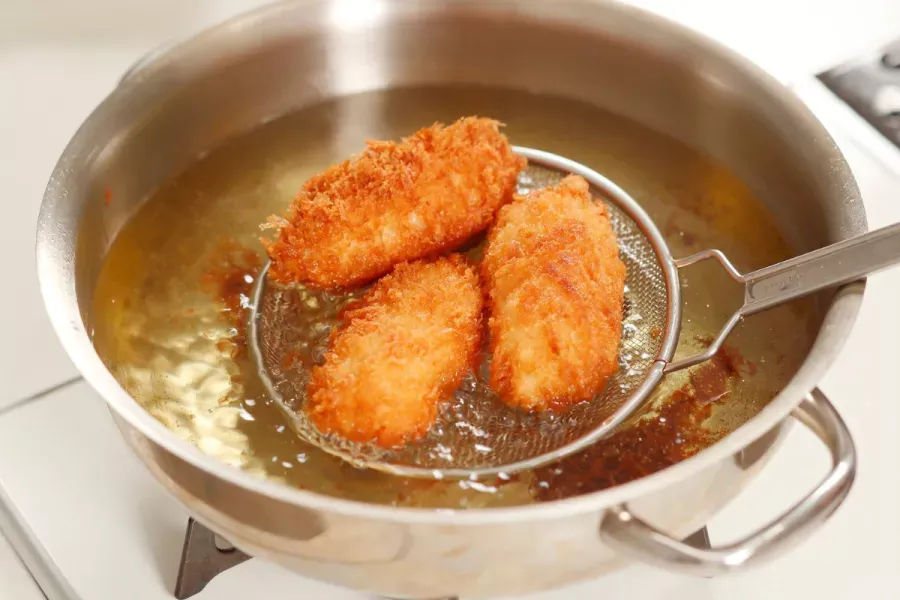
The difference between exceptional and mediocre cooking often comes down to one overlooked detail: the quality of the cooking oils used. While we carefully select fresh produce and premium ingredients, many home cooks unknowingly sabotage their culinary efforts by improperly storing and handling their oils. Rancid or degraded oils can transform a promising dish into a disappointing experience, adding unpleasant flavors and diminishing nutritional value.
Proper oil storage and handling isn't just about preventing waste, it's about unlocking the full potential of every ingredient they touch. When oils maintain their integrity, they contribute clean flavors, optimal cooking performance, and valuable nutrients that enhance both taste and health. Understanding how to preserve these liquid treasures ensures that every drizzle, sauté, and fry delivers the best results.
Let´s walk through everything we need to know about maintaining oil quality, from understanding different oil characteristics to recognizing when it's time to say goodbye to that bottle you've been questioning. We´ll see simple techniques that extend shelf life, preserve flavor, and keep cooking oils performing at their peak.
Understanding the cooking oil collection
Different cooking oils require different care approaches based on their unique characteristics. Understanding these differences helps tailor storage and handling methods for optimal results.
Oil Stability and composition
The stability of cooking oils depends largely on their fatty acid composition. Oils high in saturated fats, like coconut oil, naturally resist rancidity and maintain quality longer than those rich in polyunsaturated fats. Monounsaturated oils like olive oil and avocado oil strike a middle ground, offering good stability with excellent nutritional profiles.
Understanding these differences helps explain why some oils last months in the pantry while others seem to develop off-flavors within weeks. This knowledge guides both storage decisions and purchasing choices.
Smoke points and heat sensitivity
Each oil has a specific temperature threshold —its smoke point— beyond which it begins breaking down. This breakdown doesn't just happen during cooking; it can also occur during improper storage in warm environments. Heat-sensitive oils require cooler storage conditions to maintain their integrity over time.
Oils with higher smoke points generally tolerate storage temperature fluctuations better, while delicate oils need more consistent cool environments to preserve their quality.
Flavor profile preservation
The distinctive flavors that make different oils special, from olive oil's peppery notes to sesame oil's nutty richness, are often the first casualties of improper storage. These flavor compounds are delicate and easily damaged by light, heat, and oxygen exposure.
Preserving these unique characteristics requires understanding how different environmental factors affect oil quality and taking steps to minimize damage.
Essential storage practices for oil quality
Creating the right storage environment dramatically extends oil life and preserves the qualities that make each variety special.
Temperature control strategies
Cool, consistent temperatures form the foundation of proper oil storage. Heat accelerates the oxidation process that leads to rancidity, while temperature fluctuations stress oils and speed degradation. The ideal storage temperature for most cooking oils falls between 50-70°F, well below typical cooking temperatures but comfortable for pantry storage.
Avoid storing oils near heat sources like stoves, ovens, or sunny windows where temperatures can fluctuate dramatically. Even brief exposure to elevated temperatures can begin the degradation process that ultimately affects flavor and nutritional value.
For premium or delicate oils, consider refrigerator storage. While some oils may become cloudy or solidify when chilled, this doesn't indicate damage, they'll return to normal consistency at room temperature while benefiting from the stable, cool environment.
Light protection methods
Light exposure, particularly UV light, breaks down oil compounds and accelerates rancidity. This is why quality oils often come in dark bottles—the packaging itself provides the first line of defense against light damage.
Store oils in dark pantries or cabinets away from both natural and artificial light sources. If your oils came in clear containers, consider transferring them to dark glass bottles or storing the original containers in opaque boxes or bags.
Even brief exposure to bright light during use can begin the degradation process, so work efficiently when using oils and return them to dark storage promptly.
Air exposure prevention
Oxygen contact triggers the oxidation reactions that turn fresh oils rancid. Minimizing air exposure significantly extends oil life and preserves flavor quality.
Always replace caps and lids immediately after use, ensuring tight seals that prevent air infiltration. For oils used infrequently, consider transferring them to smaller containers that reduce the air space above the oil level.
Some serious cooks use vacuum-sealed containers or inert gas systems for premium oils, though these methods aren't necessary for everyday cooking oils with regular turnover.
Handling techniques for optimal performance
How oils are handled during cooking and serving affects both their immediate performance and long-term quality.
Proper heating practices
Understanding your oil's smoke point prevents the breakdown that creates off-flavors and potentially harmful compounds. Heat oils gradually rather than subjecting them to sudden temperature shocks, and watch for visual cues like shimmering that indicate optimal cooking temperature.
Never allow oils to smoke during cooking, this indicates breakdown has already begun. If oil starts smoking, remove it from heat immediately and start fresh rather than continuing with damaged oil.
When deep frying or other high-temperature cooking, use a thermometer to monitor oil temperature accurately. This precision prevents overheating while ensuring proper cooking temperatures for food safety and quality.
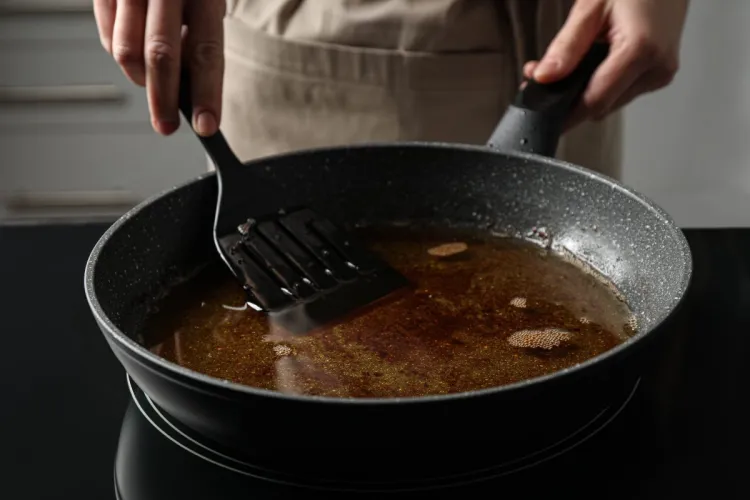
Contamination prevention
Cross-contamination from food particles, water, or other substances accelerates oil degradation and can introduce unwanted flavors or safety concerns.
Keep oil containers and pouring spouts clean and dry. Water introduction is particularly problematic, as it can promote bacterial growth and accelerate rancidity. Wipe containers clean after each use and ensure measuring tools are completely dry before contact with oils.
When reusing frying oil, strain out food particles through fine mesh or cheesecloth before storage. These particles continue cooking in the oil and can quickly create off-flavors that affect future cooking.
Equipment maintenance
Clean cooking equipment prevents oil contamination and ensures consistent results. Residue from previous cooking sessions can transfer flavors and accelerate degradation in fresh oils.
Use appropriate cleaning methods for different cooking tools—some require only gentle wiping while others benefit from thorough washing. Ensure all equipment is completely dry before use, as water droplets can cause dangerous spattering and oil degradation.
Regular maintenance of storage containers is equally important. Periodically wash and thoroughly dry storage bottles to remove any residue that could affect oil quality.