Cooking oils serve as the foundation of countless culinary adventures, transforming simple ingredients into extraordinary dishes while providing essential nutrients and flavors.
Not all cooking oils are created equal in terms of performance, flavor, and nutritional value. Each type of oil has unique properties that affect how it behaves under heat, its taste, and its health benefits. Some oils are better suited for high heat cooking due to their high smoke points, while others are ideal for cold dishes or finishing oil applications because of their delicate flavors and nutritional profiles. Additionally, the fatty acid composition —such as the balance of saturated fats, monounsaturated fats, and polyunsaturated fats— plays a significant role in determining the health impact of the oil. Understanding the characteristics of different cooking oils, helps when selecting the right oil for a particular dish or cooking technique.
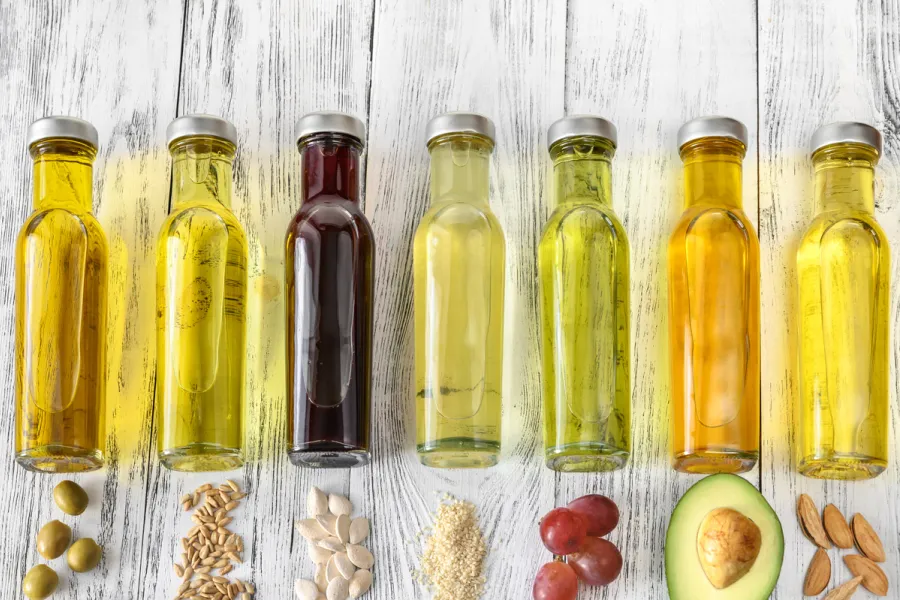
Popular cooking oils include olive oil, canola oil, coconut oil, peanut oil, sunflower oil, other vegetable oils and the new algae cooking oil, each with its unique properties and uses.
Before diving into specific oil varieties, let's establish the key concepts that separate exceptional cooking oils from mediocre ones. These fundamental characteristics determine how an oil performs under heat, contributes to health, and influences the final taste of the dishes.
Characteristics of cooking oils
The characteristics of cooking oils go far beyond price and packaging. Five key factors determine how an oil performs in your kitchen: smoke point, fatty acid composition, flavor profile, shelf life, and extraction method. Mastering these fundamentals will transform how you cook, helping you select the perfect oil for every dish while avoiding common kitchen mishaps.
Smoke point (the heat tolerance factor)
Smoke point refers to the temperature at which an oil begins to break down and produce visible smoke. This critical threshold determines whether an oil is suitable for high-heat cooking methods like frying, searing, or roasting.
When an oil reaches its smoke point, it starts to decompose, creating harmful compounds and developing an unpleasant, bitter taste. The oil's beneficial nutrients also begin to degrade, making it less healthy for consumption.
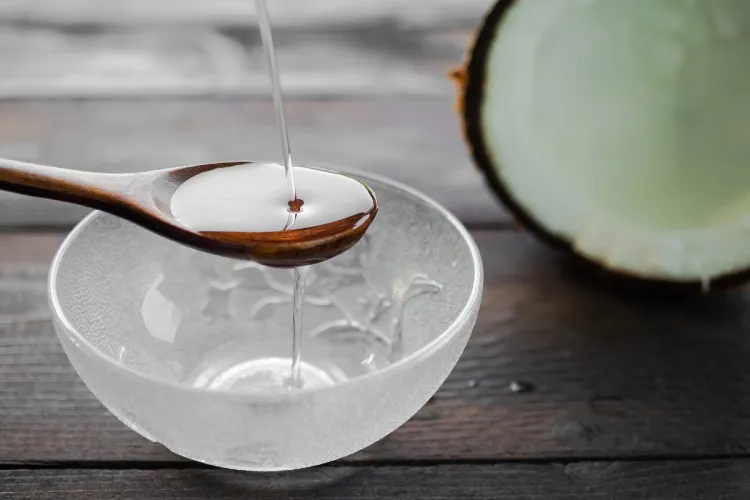
High smoke point oils (400°F and above) are used for all types of frying, including deep-frying, searing, grilling, roasting and sautéeing. High smoke point oils include algae oil (535ºF), avocado oil (520°F) and refined coconut oil (450°F) and grapeseed oil (420°F)
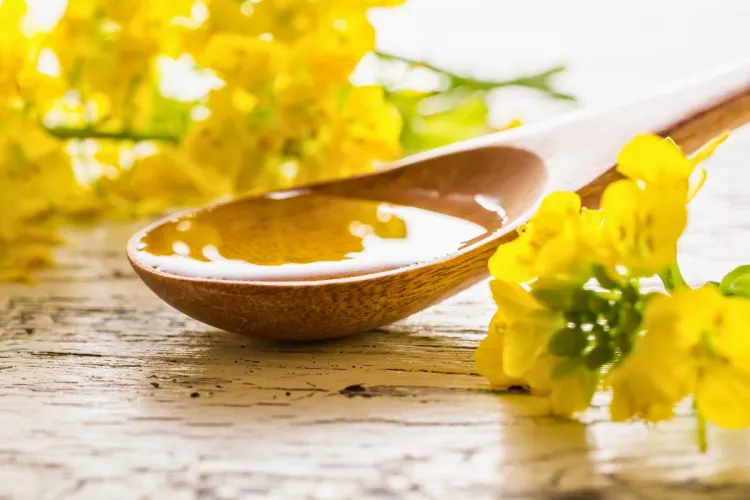
Medium smoke point oils (350-400°F) work well for sautéing vegetables, pan-frying chicken, baking at moderate temperatures. Medium smoke point oils include clarified butter or ghee (375ºF) and expeller pressed canola oil (375ºF). Sunflower oil barely gets into this category.
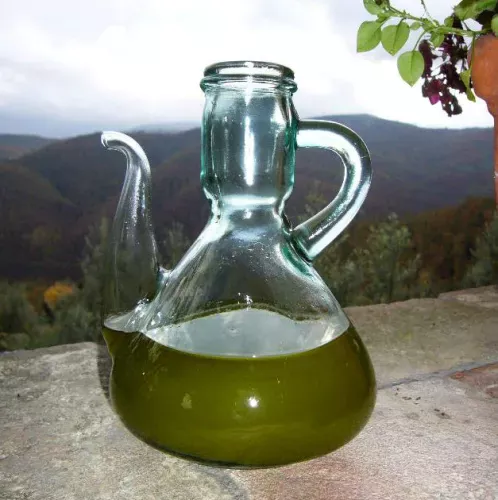
Low smoke point oils (below 350°F) like extra virgin olive oil and unrefined coconut oil are best reserved for salad dressings, light sautéing, finishing dishes.
Fatty acid composition
The fatty acid makeup of cooking oils affects both nutritional value and culinary performance. Understanding the three main types helps you make healthier choices and predict how an oil will behave during cooking.
Saturated fats remain solid at room temperature and are highly stable when heated. Coconut oil and palm oil contain high levels of saturated fats, making them excellent for high-heat cooking but less ideal for heart health when consumed in large quantities.
Monounsaturated fats offer the best of both worlds—they're relatively stable when heated and provide cardiovascular benefits. Olive oil, avocado oil, and canola oil are rich in monounsaturated fats, making them versatile kitchen staples.
Polyunsaturated fats are the most delicate, breaking down quickly when exposed to heat, light, or air. While oils like flaxseed and walnut oil provide essential omega-3 fatty acids, they require gentle handling and cool storage.
Flavor profile
Cooking oils range from completely neutral to intensely flavored, and matching the right profile to your dish is essential for culinary success.
Neutral oils like vegetable oil, canola oil, and refined coconut oil won't compete with other ingredients. These oils work perfectly for baking cakes and cookies, deep frying and Asian stir-fries where other flavors should shine.
Mildly flavored oils such as light olive oil and sunflower oil add subtle richness without overwhelming delicate ingredients.
Bold, distinctive oils like extra virgin olive oil, sesame oil, and walnut oil can enhance or completely transform a dish. Use these oils strategically. Drizzle extra virgin olive oil over finished pasta, add a few drops of sesame oil to Asian dishes and use walnut oil in salad dressings paired with nuts or cheese.
Extraction and refinement
Understanding how oils are produced helps you evaluate their quality and make informed purchasing decisions.
Cold-pressed oils are extracted using mechanical pressure without heat, preserving nutrients and natural flavors. These oils cost more but offer superior taste and nutritional benefits. Look for terms like "first cold-pressed" or "extra virgin" on olive oil labels.
Refined oils undergo chemical processing, heat treatment, and filtering to remove impurities and extend shelf life. While this process creates neutral-tasting oils with higher smoke points, it also strips away beneficial compounds.
Expeller-pressed oils use mechanical extraction with some heat but avoid chemical solvents. These oils offer a middle ground between cold-pressed and refined varieties.
When shopping, read labels carefully. Terms like "natural" or "pure" don't necessarily indicate higher quality, focus on specific extraction methods and processing information.
Shelf life and storage
Different cooking oils have vastly different lifespans, and proper storage significantly impacts their quality and safety.
Refined oils typically last 6-12 months when stored in a cool, dark pantry. These oils undergo processing that removes impurities and extends shelf life, but they also lose some nutritional benefits.
Unrefined oils are more nutritious but more perishable, lasting 3-6 months under proper conditions. Extra virgin olive oil, unrefined coconut oil, and nut oils fall into this category.
Storage best practices
- Keep oils in dark glass bottles or opaque containers.
- Store in cool locations away from heat sources.
- Refrigerate delicate oils like flaxseed and walnut oil.
- Check for rancidity regularly by smelling the oil—it should never smell sour or metallic.
Nutritional benefits of cooking oils
Understanding the nutritional benefits of different cooking oils helps to make smarter choices for health. Some oils support heart health, while others provide crucial nutrients that boost overall well-being. The key lies in knowing which oils to reach for and how to use them effectively.
Essential fatty acids are building blocks your body needs
Cooking oils serve as excellent sources of essential fatty acids, particularly omega-3 and omega-6 fatty acids that the body cannot manufacture independently. These nutrients play crucial roles in brain function, cell membrane health, and hormone production.
Omega-3 fatty acids, found in oils like flaxseed and walnut oil, help reduce inflammation throughout the body. They support cardiovascular health by improving blood vessel function and reducing the risk of irregular heartbeats. Omega-6 fatty acids, present in oils such as sunflower and safflower oil, are equally important for maintaining healthy skin and supporting your immune system.
Many cooking oils also contain vitamin E, a potent antioxidant that protects cells from damage caused by free radicals. This vitamin supports immune function and helps maintain healthy skin and eyes. Olive oil, wheat germ oil, and sunflower oil are particularly rich sources of vitamin E.
Monounsaturated and polyunsaturated fats are heart-healthy fats
The type of fat in your cooking oil matters significantly for cardiovascular health. Monounsaturated and polyunsaturated fats have earned recognition for their ability to improve cholesterol profiles and reduce heart disease risk.
Monounsaturated fats, abundant in olive oil, avocado oil, and canola oil, help lower LDL (bad) cholesterol while maintaining or even raising HDL (good) cholesterol levels. These fats also provide stability to cell membranes and may help reduce blood pressure when consumed as part of a balanced diet.
Polyunsaturated fats offer similar cardiovascular benefits. Research shows that replacing saturated fats with polyunsaturated fats can reduce heart disease risk by up to 19%. Oils rich in polyunsaturated fats include soybean, corn, and sesame oil.
Moderation is key for saturated fats
Saturated fats, found in coconut oil, palm oil, and butter, require a more nuanced approach. While these fats have been vilified in the past, recent research suggests the picture is more complex than previously thought.
Coconut oil contains medium-chain triglycerides (MCTs), which the body processes differently than other saturated fats. Some studies suggest MCTs may support metabolism and provide quick energy. However, coconut oil also raises both LDL and HDL cholesterol, so moderation remains important.
The current dietary guidelines recommend limiting saturated fat intake to less than 10% of total daily calories. This doesn't mean avoiding these oils entirely, but rather using them judiciously as part of a varied diet.
Quality matters when choosing the right oils
Not all cooking oils are created equal. The nutritional value depends heavily on the type, quality, and processing methods used to create the oil.
Cold-pressed or extra virgin oils retain more of their natural nutrients compared to highly processed versions. Extra virgin olive oil, for example, contains beneficial compounds called polyphenols that refined olive oil lacks. These compounds provide anti-inflammatory benefits and may help protect against chronic diseases.
Processing methods significantly impact nutritional content. Heat processing and chemical extraction can destroy delicate nutrients and create harmful compounds. When possible, choose minimally processed oils and store them properly to maintain their nutritional integrity.
Storage conditions also affect oil quality. Heat, light, and air exposure can cause oils to become rancid, destroying beneficial nutrients and creating potentially harmful compounds. Store oils in cool, dark places and use them within their recommended timeframes.
The quality of cooking oils can be influenced by other factors, apart from the type of oil itself to how it is processed, like the raw ingredients used and how ot was stored. These elements also play a role in determining the flavor, nutritional value, and overall usability of the oil in cooking.
The use of high-quality raw ingredients, such as fresh seeds, nuts, or fruits, is another factor. Oils made from premium raw materials often have a richer flavor, better aroma, and higher nutritional value. This is particularly noticeable when produced using minimal heat and pressure, which helps retain their natural flavors and nutrients.
Storage conditions are equally important. Exposure to heat, light, and oxygen can degrade cooking oils over time, leading to rancidity and a loss of flavor and nutritional quality. Proper storage in a cool, dark place and in tightly sealed containers can significantly extend the shelf life of oils and preserve their quality. For instance, storing extra virgin olive oil in a dark glass bottle away from direct sunlight can prevent oxidation and maintain its health benefits.
Building a balanced oil strategy
Creating a healthy cooking oil repertoire involves variety and strategic use. Different oils offer unique nutritional profiles and work better for different cooking methods.
For high-heat cooking, choose oils with high smoke points like avocado oil or refined coconut oil. For salad dressings and low-heat cooking, embrace the full flavor and nutritional benefits of extra virgin olive oil or walnut oil.
Rotating between different oils allows to get a wide range of beneficial compounds, for instance, using olive oil for Mediterranean dishes, sesame oil for Asian cuisine, and avocado oil for high-heat searing. This variety ensures maximum nutritional benefits while enjoying diverse flavors.
Maximum nutritional potential in the kitchen
Start by auditing your current oil collection. Replace any old or rancid oils with fresh, high-quality options. Experiment with new varieties to discover both their culinary and nutritional benefits. Your heart, brain, and overall health will thank you for making these small but impactful changes to your cooking routine.
Cooking oil trends and innovations
The cooking oil aisle has transformed dramatically over the past decade. Gone are the days when vegetable oil and olive oil were the only options. From algae-based oils to cold-pressed specialty blends, the industry is experiencing a renaissance driven by health consciousness, environmental concerns, and culinary innovation.
These changes aren't just about adding new bottles to grocery store shelves. They represent a fundamental shift in how we think about cooking fats, their nutritional impact, and their environmental footprint. Understanding these trends can help you make better choices for your health, your cooking, and the planet.
Sustainable and eco-friendly oils lead the charge
Environmental sustainability has become a primary driver in cooking oil innovation. Traditional palm oil production has faced criticism for deforestation and habitat destruction, prompting manufacturers to explore alternatives.
Companies are now investing in regenerative agriculture practices that restore soil health while producing oils. Sunflower and safflower oils grown using these methods not only provide excellent cooking properties but also contribute to carbon sequestration and biodiversity.
Zero-waste production methods are also gaining traction. Some manufacturers now use fruit and vegetable waste from other food processing operations to create specialty oils, turning potential landfill material into premium cooking products.
Technology transforms oil quality
Advanced extraction methods are revolutionizing how oils are produced and what nutritional benefits they retain. Cold-pressing technology, while not new, has been refined to preserve more delicate compounds like antioxidants and vitamins that are typically destroyed by heat processing.
Enzymatic extraction represents a cutting-edge approach that uses specific enzymes to break down plant materials without heat or harsh chemicals. This method produces oils with higher nutritional density and better flavor profiles compared to traditional extraction methods.
Supercritical CO2 extraction, borrowed from the pharmaceutical industry, allows producers to create ultra-pure oils free from solvents and with precisely controlled fatty acid profiles.
Plant-based revolution drives innovation
The surge in plant-based eating has created demand for oils that perform well in vegan cooking applications. Traditional animal fats like lard and tallow are being replaced by innovative plant-based alternatives that can handle high-heat cooking and provide similar texture and flavor enhancement.
Algae oil has emerged as a particularly promising option. Rich in omega-3 fatty acids and with a neutral flavor profile, it offers the nutritional benefits typically associated with fish oil while remaining completely plant-based. Its high smoke point makes it excellent for frying and sautéing.
Specialty nut and seed oils are also expanding beyond traditional options. Hemp seed oil, walnut oil, and even watermelon seed oil are finding their way into both home kitchens and professional restaurant settings.
Functional oils target specific health benefits
The wellness trend has pushed cooking oil innovation toward products that offer specific health benefits beyond basic nutrition. Oils fortified with additional omega-3s, antioxidants, or anti-inflammatory compounds are becoming increasingly popular.
MCT (medium-chain triglyceride) oils, once primarily used by athletes and ketogenic diet followers, have entered mainstream cooking. These oils provide quick energy and may support metabolic health when used appropriately.
Some manufacturers are creating oil blends specifically designed for different cooking methods or health goals. These products combine multiple oils to optimize smoke points, flavor, and nutritional profiles for specific applications.
The rise of specialty and artisanal oils
Just as the craft beer movement transformed the beverage industry, small-batch and artisanal oil producers are creating unique products that celebrate regional ingredients and traditional methods.
Single-origin oils, similar to single-origin coffee or chocolate, highlight the unique characteristics of oils produced from specific geographic regions. These products often command premium prices but offer distinctive flavors and support local agricultural communities.
Infused oils that incorporate herbs, spices, or other natural flavors are becoming more sophisticated. Rather than simple additions, these products use carefully controlled infusion processes that create complex, well-balanced flavors.