
A guide to traditional cuisine and culinary culture.
Slovenia may be small, but its culinary landscape tells the story of centuries of cultural exchange between Mediterranean warmth, Alpine traditions, and Central European heartiness. This small country of just 2 million people has developed one of Europe’s most diverse food cultures, with influences that span from Italian coastal flavors to Hungarian spice, Austrian refinement to Balkan robustness.
Understanding food in Slovenia means exploring a nation where every valley, every region, and every season brings distinct flavors and time-honored cooking methods. From the pristine lakes of Bled to the rolling hills of wine country, Slovenian food reflects not just sustenance, but a deep connection to the land, family traditions, and cultural identity that has been carefully preserved for generations.
Overview of Slovenian cuisine
Slovenian cuisine stands as a remarkable testament to how geography and history shape culinary identity. Despite Slovenia being a small country, it boasts 24 distinct culinary regions, each with its own specialties, cooking techniques, and flavor profiles. This incredible diversity stems from Slovenia’s unique position at the crossroads of four major European culinary traditions: Mediterranean coastal cuisine from neighboring Italy, Alpine mountain cooking from Austria, Hungarian influences from the Pannonian plains, and Balkan traditions from the south.
The emphasis on locally sourced, seasonal ingredients defines traditional Slovenian food. Slovenian farmers and cooks have long practiced what we now call farm-to-table cooking, relying on what the immediate environment provides. This approach means that spring brings wild dandelion greens foraged from meadows, summer offers abundant vegetables and fruits, autumn delivers mushrooms and nuts from forests, and winter calls for preserved foods and hearty stews.
The slow food movement finds natural expression in Slovenia, where many traditional slovenian dishes require hours of careful preparation to achieve their rich, hearty results. This methodical approach to cooking reflects a culture that values quality over convenience, tradition over innovation, and community gathering over individual consumption.
Slovenia’s three distinct climatic zones—Alpine, Continental, and Mediterranean—create microclimates that support diverse food production. The Alpine region produces exceptional dairy products and mountain herbs, the Continental zone yields grains and vegetables, while the Mediterranean coastal area contributes olive oil, wine grapes, and fresh seafy. This geographic diversity ensures that Slovenian foods vary dramatically from region to region, creating a culinary map as complex as any in Europe.
Staple foods and common ingredients
The foundation of Slovenian cuisine rests on several key ingredients that appear throughout the country’s traditional recipes. Buckwheat serves as perhaps the most important grain, used not just as a nutritious pseudocereal but as the base for bread, dumplings, porridge, and the beloved žganci. This hardy grain thrives in Slovenia’s mountain climate and provides essential nutrients that sustained farming communities through harsh winters.
Potatoes function as the primary starch in most Slovenian dishes, introduced in the 18th century and quickly becoming indispensable. They appear roasted alongside meats, mashed into hearty dish combinations, or incorporated into dumplings. The versatility of potatoes made them particularly valuable in mountainous regions where other crops struggled to grow.
Dairy products form another cornerstone of traditional Slovenian food, with cream, butter, and various local cheeses produced from cow’s milk, raw sheep’s milk, and goat’s milk. Alpine pastures provide ideal conditions for dairy animals, resulting in rich, flavorful products that appear in both savory and sweet preparations. cottage cheese features prominently in many traditional Slovenian dishes, from savory štruklji fillings to dessert preparations.
Pumpkin seed oil, often called “green gold,” represents one of Slovenia’s most distinctive culinary contributions. This dark, nutty oil requires specific production methods, with pumpkin seeds carefully roasted and pressed to create an intensely flavored condiment. pumpkin seeds are processed using traditional techniques that concentrate their natural oils, resulting in a product that adds distinctive flavor to salads, soups, and vegetable dishes.
Slovenian honey varieties reflect the country’s diverse flora and long beekeeping tradition dating back to Anton Janša, who developed innovative beekeeping methods in the 18th century. Forest honey, acacia honey, and linden honey each offer unique flavors that appear in traditional desserts, bread, and beverages. The Carniolan honey bee, native to Slovenia, produces honey that’s prized throughout Europe for its quality and distinctive taste.
Mushrooms, particularly porcini, are harvested from March through November across Slovenia’s forests. These wild ingredients provide both flavor and nutrition to many traditional dishes, appearing in mushroom soup, risottos, and as side dishes. The abundance of mushrooms in Slovenia’s three climatic zones ensures that both fresh and dried varieties remain available year-round.
Walnuts hold special significance in Slovenian cuisine, with restored plantations now containing over 100,000 trees. These nuts appear in numerous traditional Slovenian desserts, particularly in potica fillings and various cakes. The cultivation of walnuts represents both agricultural tradition and modern sustainability efforts.
Cooking methods and food preparation
Traditional Slovenian cooking methods emphasize slow preparation techniques that require hours to achieve rich, hearty results. These time-intensive approaches reflect agricultural societies where cooking occurred alongside other daily tasks, allowing flavors to develop gradually while families attended to farm work. The patience required for traditional preparation creates deeper, more complex flavors than quick cooking methods.
Trout preparation showcases Slovenia’s adaptation to local ingredients and conditions. Fresh trout from cold mountain rivers receives special treatment—rolled in buckwheat flour or corn flour before frying, which creates distinctive texture and flavor while honoring traditional grain use. The fish must be extremely fresh, often caught the same day as preparation.
Smoking and curing methods for sausages and prosciutto utilize Slovenia’s natural conditions, particularly the bora winds that sweep across western regions. These traditional techniques require no artificial additives, relying instead on environmental factors like temperature, humidity, and air circulation to preserve and flavor meat products. Master cureers understand how seasonal changes affect the process.
Bread making in Slovenia includes both daily sustenance and decorative breads for special occasions. Traditional ovens, often shared by entire villages, create the high temperatures necessary for proper bread formation. decorative breads feature elaborate designs that tell stories or mark religious and seasonal celebrations, requiring artistic skill beyond basic baking knowledge.
Cheese aging processes occur in mountain caves and traditional cellars where natural temperatures and humidity create ideal conditions. These environments, often located in limestone formations, provide consistent conditions year-round without artificial climate control. The caves impart subtle flavors while protecting cheeses during months-long aging periods.
Seasonal preservation techniques ensure year-round access to vegetables, fruits, and mushrooms through traditional methods like fermentation, drying, and pickling. These techniques preserve not just food but nutrients, creating vitamin-rich foods essential for winter health. Modern Slovenian families often continue these practices, maintaining connections to agricultural traditions.
Farm-to-table practices in Slovenia predate the modern movement by centuries, with rural communities relying on relationships with local producers for ingredients. These connections ensure freshness while supporting local economies and maintaining traditional farming methods. Many traditional Slovenian dishes specifically require ingredients sourced within walking distance of preparation locations.
The combination of these traditional cooking methods creates authentic Slovenian foods that cannot be replicated without understanding both technique and cultural context. Each method reflects centuries of adaptation to local conditions, available ingredients, and community needs, making Slovenia’s culinary traditions both practical and deeply meaningful.
Slovenia’s remarkable culinary landscape proves that a small country can possess extraordinary food diversity and sophistication. From the Alpine peaks to the Mediterranean coast, traditional Slovenian cuisine offers flavors, techniques, and cultural stories that rival any European culinary tradition. Whether you’re planning to visit Slovenia to experience these foods first hand, seeking to recreate traditional Slovenian dishes at home, or simply wanting to understand this fascinating food culture, Slovenia’s cuisine rewards exploration with rich, satisfying, and memorable experiences that connect food lovers to centuries of tradition and the timeless pleasure of gathering around a well-prepared meal.
Throughout the day
Traditional eating patterns in Slovenia reflect agricultural rhythms and family-centered meal structures that persist even in modern times. Breakfast traditionally remains light and simple, featuring whole wheat bread with butter, Slovenian honey, jams, and fresh milk. Rural families often include cottage cheese, sour cream, and seasonal fruits, creating a foundation that sustains morning work without heaviness.
Lunch functions as the main meal throughout Slovenia, typically featuring three courses that demonstrate the country’s emphasis on substantial midday nourishment. The meal usually begins with soup, Slovenia boasts over 100 traditional soup varieties, from clear beef noodle soup to rich mushroom soup preparations. meat dishes form the centerpiece, often accompanied by potatoes and hearty sides like žganci or bread dumplings.
Sunday traditions hold particular importance in Slovenian cuisine, with families gathering for elaborate beef noodle soup followed by roasted meats and seasonal vegetables. These weekly celebrations reinforce family bonds while preserving culinary traditions. The preparation often begins early Sunday morning, with multiple generations contributing to meal preparation.
Coffee culture has evolved into an important social institution, with afternoon coffee serving as both refreshment and social opportunity. Traditional Slovenian communities use coffee time for sharing news, conducting informal business, and maintaining neighborhood relationships. pastry shops in city centers and quiet squares provide gathering spaces for these daily rituals.
Evening dining tends toward lighter fare, though social drinking traditions often extend the meal experience. families might share leftover soups, cold cuts, or simple vegetable preparations while discussing the day’s events. The pace remains unhurried, emphasizing conversation and connection over quick consumption.
Seasonal eating patterns still influence modern Slovenian food habits, with spring bringing wild greens and herbs, summer featuring fresh vegetables and fruits, autumn offering mushrooms and nuts, and winter calling for preserved foods and hearty stews. Many families continue traditional preservation methods, ensuring year-round access to seasonal flavors.
tourist farms and mountain cabin dining experiences preserve traditional recipes and eating customs for visitors. These venues serve authentic Slovenian foods prepared according to historical methods, often using ingredients grown on-site or sourced from neighboring farms. The experience includes not just food but cultural education about agricultural traditions and seasonal rhythms.
Traditional dishes and their cultural significance
The heart of Slovenian cuisine lies in its traditional dishes, each carrying stories of regional identity, historical events, and cultural evolution. Idrijski žlikrofi stands as perhaps the most protected Slovenian dish, with its origins tracing back to the 1850s in the old mining town of Idrija. These potato-filled dumplings earned EU Protected Geographical Indication status, recognizing their unique preparation method and cultural importance. The shape of žlikrofi, resembling miners’ hats, connects directly to the town’s mercury mining heritage.
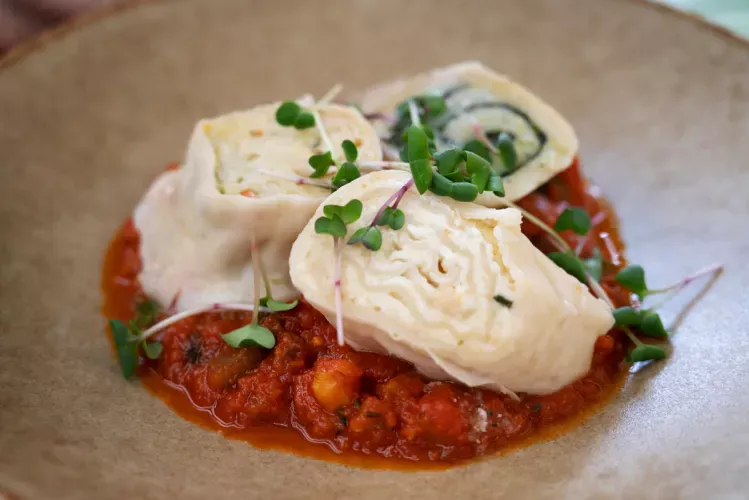
Štruklji represents one of Slovenia’s oldest culinary traditions, with rolled dumplings dating from the 16th century. This traditional Slovenian dish offers over 80 sweet and savory filling variations, from cottage cheese and herbs to walnuts and poppy seeds. The preparation technique, rolling thin dough around fillings, requires skill passed down through generations, making štruklji both a family tradition and a symbol of culinary heritage.
Jota emerges as a hearty dish from western Slovenia, combining turnip, beans, and smoked pork ribs into a substantial stew. This traditional food developed as a practical solution for preserving vegetables through winter while providing necessary protein and calories for agricultural work. The fermented turnip in jota adds distinctive sourness that characterizes many alpine preservation techniques.
Bujta repa represents Prekmurje’s autumn traditions, combining blood sausage with turnip stew in a typical Slovenian food that celebrates seasonal abundance. This dish demonstrates how different regions of Slovenia developed distinct approaches to similar ingredients, with eastern Slovenia creating preparations that differ markedly from alpine or coastal versions.
Buckwheat žganci served as daily farm food for centuries, typically accompanied by crackling pork fat, sour milk, or mushroom soup. This humble preparation sustained working families and remains a perfect example of how simple ingredients create satisfying, nutritious meals. The technique of preparing žganci, slowly cooking buckwheat flour while stirring constantly, requires patience and skill.
Frika originates from the Soča Valley as a shepherd’s omelet combining eggs, cheese, and potatoes. This hearty dish reflects the practical needs of mountain workers who required portable, protein-rich meals. The preparation method, cooking in a single pan over an open fire, made frika ideal for outdoor work.
Bograč, Slovenia’s version of goulash, features three types of meat with regional variations celebrated through annual cooking competitions. This typical dish demonstrates Hungarian influence while incorporating distinctly Slovenian ingredients and preparation methods. Different regions compete to create the most authentic versions, turning cooking into community celebration.
Regional specialties and protected foods
Slovenia’s regional diversity manifests most clearly in its protected food products and local specialties. carniolan sausage, known as Kranjska klobasa, represents the country’s most famous meat products, with its recipe dating to 1896 in the Alpine region. This traditional Slovenian dish earned protected geographical status from the EU, ensuring that only sausages made according to specific standards can bear the name. The sausage combines pork meat with bacon fat in precise ratios, seasoned with garlic and salt, then encased in natural intestines.
karst prosciutto, or Kraški pršut, showcases how natural conditions create exceptional preserved meat. This specialty requires 12 months or more of natural drying using the bora winds that sweep across the Karst plateau. The unique microclimate of western Slovenia produces ham with distinctive flavor and texture that rivals Italian and Spanish versions.
Tolminc and bovec cheese represent mountain cheese, making traditions with EU Protected Designation of Origin status. These semi hard cheese varieties develop their distinctive flavors from high, altitude pastures and traditional aging processes in mountain caves. Both cheeses demonstrate how geographic conditions, altitude, climate, and local flora, directly influence taste and quality.
Trnič holds romantic significance as a pear-shaped cheese traditionally used as love tokens by shepherds. Made from raw sheep’s milk and cow’s milk, this local specialty carries cultural meaning beyond its culinary value. The elaborate decorative patterns pressed into the cheese surface tell stories of courtship and regional identity.
Belokranjska pogača exemplifies traditional bread-making in the bela krajina region, featuring egg wash, salt, and caraway seeds. This festive bread appears at weddings and special celebrations, with its preparation involving entire communities in mixing, kneading, and baking.
Bohinj pork spread, known as Bohinjska zaseka, combines cold-smoked bacon with traditional preserving techniques from the Alpine valley. This specialty demonstrates how mountain communities developed sophisticated methods for preserving meat through long winters.
As of January 2023, Slovenia maintains 24 EU-protected foods and food products, a remarkable number for such a small country. These protections ensure that traditional recipes, preparation methods, and regional characteristics remain authentic while supporting local farmers and food producers.
Traditional desserts and sweet specialties
Slovenian desserts represent some of the country’s most celebrated culinary achievements, combining local ingredients with sophisticated preparation techniques passed down through generations. Bled cream cake, known as kremna rezina, stands as Slovenia’s most internationally recognized sweet specialty. Created in 1953 at the park hotel overlooking lake bled, this dessert earned protected origin status and requires precise layering of puff pastry, vanilla cream, and whipped cream topped with powdered sugar.
Prekmurska gibanica demonstrates the complexity possible in traditional Slovenian desserts, featuring eight layers created from four different fillings. Dating to 1828, this elaborate cake from eastern Slovenia combines poppy seeds, walnuts, cottage cheese, and apples in a construction that requires considerable skill and patience. Each layer must be perfectly balanced to achieve the traditional taste and texture.
Potica represents Slovenia’s most versatile traditional dessert, with over 80 filling varieties for different festive occasions. This multilayered nut roll appears at Christmas, Easter, weddings, and other celebrations, with walnut filling remaining the most traditional. The preparation involves rolling thin yeast dough around fillings, then baking until golden. Each region maintains slightly different techniques and preferred fillings.
Krofi, particularly the famous Trojane doughnuts, showcase how simple ingredients create beloved treats. These round pastries, filled with jam and dusted with powdered sugar, gain distinctive flavor from lemon zest added to the dough. They become especially popular during carnival season, when entire communities participate in preparation and consumption.
Strudelj, similar to apple strudel, demonstrates Austrian influence adapted to Slovenian ingredients and tastes. The paper-thin dough stretches until nearly transparent, then wraps around fruit fillings, typically apples, but also plums, cherries, or cottage cheese. The technique requires considerable practice, with experienced bakers able to stretch dough across entire tables.
Slovenian honey, walnuts, and cottage cheese appear consistently throughout traditional dessert preparations, reflecting the availability of local ingredients and their natural compatibility. These combinations create flavors that distinguish Slovenian desserts from similar preparations in neighboring countries, emphasizing the country’s unique position between different culinary traditions.
Traditional drinks and alcoholic beverages
Slovenian wine tradition extends back to the 5th century BC, making it one of Europe’s oldest wine, producing regions. The country’s three main wine regions, Primorska, Posavje, and Podravje, each produce distinctive varieties shaped by local microclimates and soil conditions. Slovenia produces approximately 75% white wine, with varieties like Malvasia and Refosco from Istria gaining international recognition.
The coastal Primorska region, influenced by Mediterranean climate, produces both red and white wines that compete favorably with Italian and French varieties. Traditional winemaking methods, combined with modern techniques, create wines that express Slovenia’s unique terroir. wine tastings have become important cultural events, bringing communities together for seasonal celebrations and harvest festivals.
Beer culture in Slovenia centers around traditional lagers, with Laško brewery operating since 1825 and Union representing Ljubljana’s brewing heritage. These national brands produce beer styles influenced by Austrian traditions but adapted to Slovenian tastes. The growing craft beer scene in Ljubljana and other major towns introduces innovative flavors while respecting traditional brewing methods.
Rakija fruit brandies hold particular cultural significance, typically ranging from 40-50% alcohol content and made from plums, grapes, pears, or other local fruits. These strong spirits require specific toasting etiquette and social customs, often served to guests as symbols of hospitality. Homemade varieties remain common, with families maintaining traditional distilling methods passed through generations.
Pinecone liquor from the Kamnik area represents Slovenia’s tradition of herbal gathering and alcohol preparation. This distinctive spirit honors the practice of harvesting wild ingredients from mountain forests, creating flavors unique to specific geographic regions. The preparation involves careful timing of pinecone collection and traditional infusion methods.
Social drinking customs in Slovenia emphasize community and celebration rather than individual consumption. Traditional toasts, specific glassware, and ceremonial serving methods reflect the cultural importance of alcoholic beverages in marking special occasions, honoring guests, and strengthening social bonds. These customs remain particularly strong in rural areas and during traditional festivals.