Food in Seychelles
Your ultimate guide to Seychellois cuisine, culture, and where to eat like a local.
When explorer Lazare Picault first landed on what would become Mahé Island in 1742, he named it Île d’Abondance—the Island of Abundance. Nearly three centuries later, that name still captures the essence of eating in this Indian Ocean archipelago. The République des Seychelles, officially recognized as an African country located in sub-Saharan Africa, is a luxury African island destination known for its conservation-led tourism. Food in the Seychelles is a direct expression of the islands’ remarkable history: a Creole fusion shaped by French, British, Spanish, Indian, African, and Chinese influences, each layer adding spice, technique, and flavor to a cuisine that remains distinctly its own.
The Seychelles archipelago consists of 115 islands scattered across the western Indian Ocean, and this geography defines what appears on every plate. The current Seychellois population descends from people who immigrated, with the largest ethnic groups being of African, French, Indian, and Chinese origin. Fresh fish pulled from surrounding waters, coconuts harvested from palms that line nearly every beach, breadfruit and cassava grown in small gardens, and tropical fruits ripening year-round under the equatorial sun—these are the building blocks of Seychellois cooking. The island nation has turned its isolation into a culinary advantage, developing recipes that transform simple local ingredients into deeply satisfying meals.
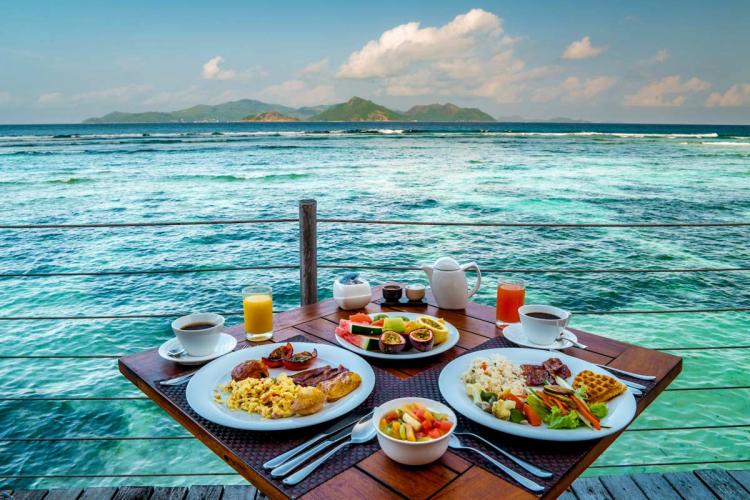
Visitors to Seychelles will encounter a full spectrum of dining experiences. On Mahé, Praslin and La Digue, you will find simple street takeaways serving rice and curry for a few dollars, family-run restaurants dishing out octopus curry and grilled fish, and hotel dining rooms offering polished Creole tasting menus. Travel to the outer islands or stay at a private island resort, and meals become more intimate affairs built around whatever the fishing boats brought in that morning. This article serves as your practical guide to typical Seychellois dishes, how they taste, where to find them across the main islands, and how to eat like a local rather than a tourist.
Key ingredients and flavors in Seychellois cuisine
Understanding Seychellois food starts with understanding the Creole pantry—a collection of staples that appear in some form across nearly every meal. These ingredients reflect both the tropical climate and the island’s multicultural heritage, blending techniques from five continents into a cohesive cooking tradition. Once you recognize these core elements, navigating menus and market stalls becomes far more intuitive.
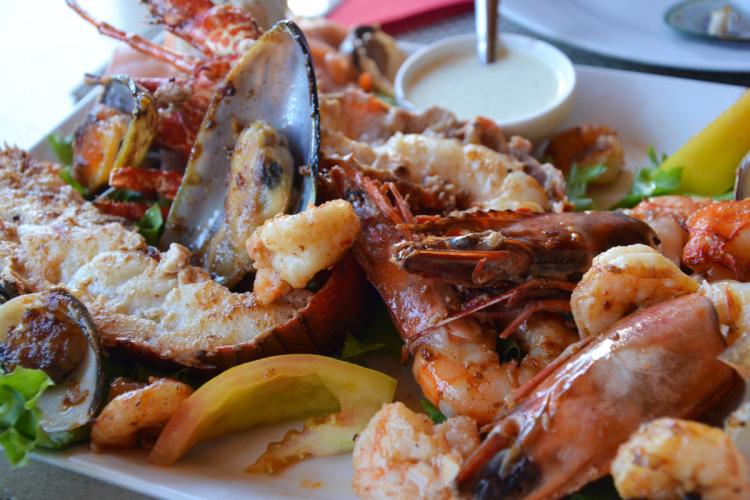
Protein in Seychelles means fish above all else. The waters surrounding the seychelles islands teem with red snapper, jobfish, grouper, tuna, barracuda, and dozens of other reef and pelagic species. Octopus and squid are equally common, appearing in curries and grilled preparations throughout the islands. Salted fish, a preservation technique dating to the earliest French settlers, remains available in markets and traditional recipes, though refrigeration has made it less essential than it once was. Chicken and pork feature in many dishes, while more adventurous eaters may encounter fruit bat—a traditional delicacy that divides opinion—or shark prepared as chutney. Shellfish, including prawns and crab, appear on restaurant menus, particularly at higher-end establishments.
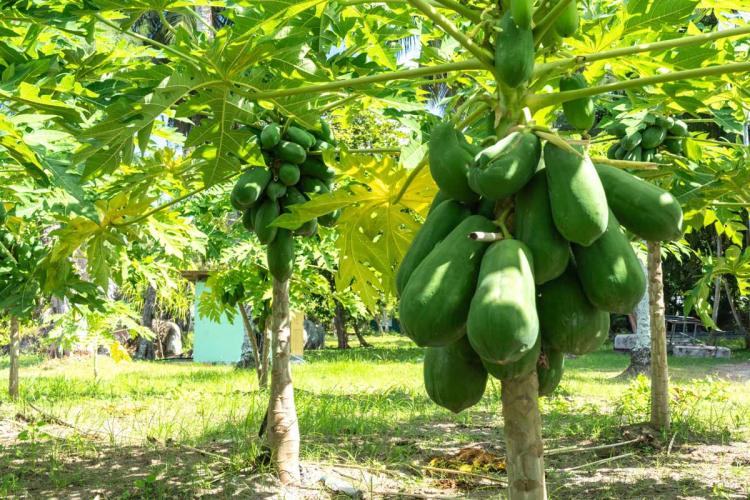
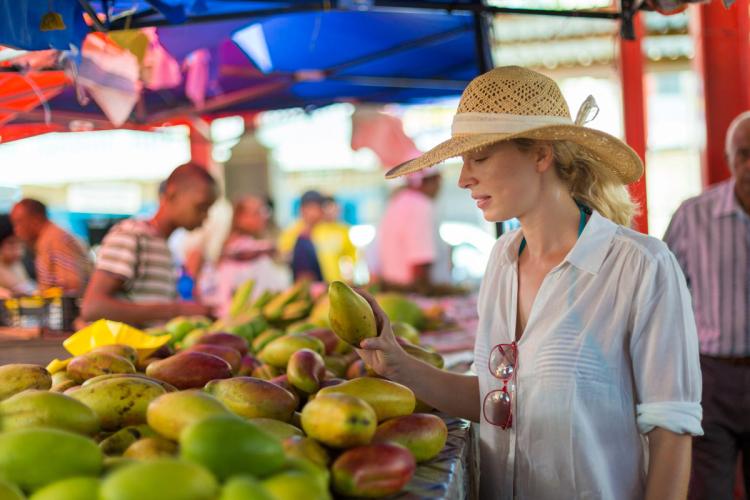
The plant side of Seychellois cooking revolves around starch and vegetables that thrive in tropical conditions. Rice accompanies virtually every main meal, often paired with lentils cooked into a simple dhal. Breadfruit, with its starchy, potato-like flesh, serves as both side dish and snack. Cassava and green bananas appear in savory dishes, cooked down with coconut milk into porridge-like preparations. Pumpkin, eggplant, moringa leaves, and leafy greens add variety and nutrition, while tropical fruits—mango, papaya, passion fruit, pineapple—provide sweetness and acidity.
The signature flavors that tie everything together come from a Creole spice cabinet influenced heavily by Indian and French traditions. Coconut milk and coconut cream form the base of countless curries and desserts, lending richness and sweetness. Masala spice blends incorporating turmeric, coriander seeds, cumin, cinnamon, cardamom, and chili powder get ground fresh and slow-cooked for depth. Ginger, garlic, curry leaves, and fresh chilies add heat and aromatics. Bilimbi fruit—a sour, cucumber-shaped fruit from a tree found throughout the islands—provides acidity in chutneys and sauces where other cuisines might use lime or tamarind. Cooking methods range from grilling fish over charcoal directly on the beach, to slow-simmering curries for hours, to quick rougails that come together in thirty minutes.
Traditional Seychellois fish dishes you should try
This section walks through the core Creole dishes you will encounter across Seychelles, roughly mirroring what you might find on a typical restaurant menu: mains built around fish and meat, sides and accompaniments, and the everyday comfort foods that Seychellois families have been cooking for generations. Knowing these dishes by name will help you order confidently whether you are at a beachside shack or a resort dining room.
Grilled fish represents the quintessential Seychelles meal, and you will find it everywhere from the simplest takeaway to the most refined restaurant. The preparation is straightforward but effective: a whole fish or thick fillet gets marinated with garlic, ginger, fresh chili, and lime juice, then cooked over hot charcoal until the skin crisps and the flesh turns flaky and moist. The fish is typically served with white rice, a small salad dressed with lime, and sometimes a spoonful of chutney or rougail on the side. This is the dish to order on your first day to calibrate your palate to Seychellois flavors.
Shark chutney, known locally as satini requin, may sound intimidating but delivers a surprisingly mild and approachable flavor. The preparation involves boiling shark meat until tender, then shredding it and mashing it with lime juice, turmeric, onions, and Bilimbi fruit. The result is a tangy, slightly acidic condiment with a texture somewhere between a chunky spread and a coarse pâté. Shark chutney appears as a side dish or topping, spooned over rice or spread on bread as a snack. It exemplifies the Creole approach to using every available ingredient creatively.
Coconut curries, called kari koko locally, form the heart of Seychellois home cooking. These dishes feature fish, octopus, chicken, or vegetables simmered in coconut milk with masala spices and curry leaves until the sauce thickens and the flavors meld together. Octopus curry ranks among the most popular preparations—the octopus turns tender after slow cooking, absorbing the rich coconut and spice mixture. Fish curry tends to cook more quickly, with chunks of firm white fish holding their shape in the sauce. These curries arrive at the table with rice and often a side of lentil dhal, creating a complete and satisfying meal.
Fruit bat curry occupies a controversial place in Seychellois cuisine. Made from the Seychelles fruit bat, this dish marinates the meat in spices before simmering it into a curry. Those who have tried it describe the flavor as gamey, somewhere between rabbit and venison, with sweet undertones from the bats’ fruit-based diet. The dish has become increasingly rare due to conservation concerns and changing tastes, and you will typically only find it at long-established Creole restaurants on Mahé Island and Praslin. Whether you seek it out or skip it entirely comes down to personal ethics and adventurousness.
Fish soup, known as bouyon bred, represents Creole comfort food at its most restorative. This clear broth incorporates moringa leaves—called bred in Creole—along with poached or fried fish, creating a light but nourishing soup that Seychellois families turn to when someone needs gentle sustenance. The broth is seasoned simply with ginger, garlic, and lime, allowing the clean fish flavor to come through. Many consider it a home dish rather than a restaurant offering, though some traditional eateries include it on their menus.
Sausage rougay, or rougaille saucisse, showcases the French influence on Seychellois cooking. Local sausages get stewed in a spicy sauce built from tomatoes, onions, garlic, ginger, and fresh thyme until the flavors concentrate and the sausages absorb the sauce. The dish exemplifies the rougail technique—a quick-cooked, tomato-based preparation that works equally well with fish, eggs, or meat. Served with rice, it provides a heartier alternative to fish-centric meals.
Kat-kat banana, sometimes called kit-kit sale, represents one of the more unusual dishes in the Seychellois repertoire. Green bananas are cooked with fish and coconut milk until everything breaks down into a savory, porridge-like consistency. The dish may not win any beauty contests, but the combination of starchy banana, rich coconut, and flaked fish creates deeply satisfying comfort food. You will find it primarily in home kitchens and traditional restaurants that cater to local tastes rather than tourist expectations.
Salted fish preparations and various satini—chutneys and salads—round out the accompaniments that appear alongside rice and curries. Ground coconut mixed with chili and lime forms a common condiment. Green papaya shredded into a tangy salad, Bilimbi fruit chopped with onion, and various combinations of chilies and aromatics all serve to add brightness and heat to rich, coconut-based main dishes.
Sides, snacks, and street food in Seychelles
The easiest and most affordable way to sample authentic Seychellois food is through the takeaway culture that thrives on Mahé, Praslin, and La Digue. Small roadside stalls, market vendors, and simple beach shacks serve lunch and early dinner to locals and visitors alike, offering a window into everyday eating that resort restaurants cannot replicate.
Typical takeaway plates follow a consistent format: a mound of white rice, one or two curries (fish, chicken, or pork are most common), a portion of lentil dhal, and a small salad or chutney. The food arrives in foam or cardboard boxes, portable enough to carry to a beach or back to your guesthouse. These meals cost a fraction of restaurant prices and often taste better for their simplicity and freshness. Most takeaways open around late morning and close when the food runs out, usually by mid-afternoon, so plan accordingly.
Breadfruit appears throughout Seychellois snacking culture in multiple forms. Breadfruit chips—sliced thin, fried until crisp, and salted—offer a satisfying crunch that works as an appetizer or a beer accompaniment. Grilled breadfruit slices provide a starchier alternative, while breadfruit cooked into sweet desserts demonstrates the ingredient’s versatility. The fruit itself grows abundantly across the inner islands, making it one of the most accessible local ingredients.
Cassava chips and cassava-based savory bites appear in markets and small groceries, particularly around Victoria on Mahé. These snacks highlight another root vegetable that early settlers relied upon and that continues to feature in contemporary Seychellois cooking. Fish fritters—deep-fried balls of spiced fish—make excellent beach snacks, as do samosas filled with curried vegetables or meat. Fresh fruit plates featuring ripe mango, pineapple, and papaya offer refreshment during hot afternoons, often sold by vendors near popular beaches and tourist sites.
Desserts and sweet treats
Seychellois desserts take a different approach than European pastry traditions. Rather than delicate confections requiring precise technique and imported ingredients, Creole sweets build on what grows locally: coconut milk, root vegetables, ripe bananas, and tropical spices. Early French settlers found that elaborate pastries did not survive the transition to island life—shortages of flour, butter, milk, eggs, and skilled bakers meant adaptation rather than replication.
Ladob stands as the most representative Seychellois dessert, and understanding its two forms reveals the creativity of Creole cooking. Sweet ladob simmers ripe plantains or bananas with sweet potato or breadfruit in coconut milk, sweetened with sugar and seasoned with vanilla, nutmeg, and cinnamon. The result is a warm, comforting pudding where the fruit softens into the coconut sauce, creating balanced sweetness with aromatic warmth. The savory version of ladob, less commonly served to tourists, cooks salted fish with bananas, cassava, and breadfruit in coconut milk—a reminder that in Creole cuisine, the same techniques serve both sweet and savory purposes.
Cassava cake showcases another root vegetable in dessert form. Grated cassava is mixed with coconut milk or dairy milk, sugar, and vanilla, then baked until the exterior sets while the interior remains dense and slightly jiggly. The finished cake often gets topped with grated coconut, adding texture to each slice. The flavor is subtle—mildly sweet, with a slight earthiness from the cassava—making it an approachable introduction to Seychellois sweets.
Banana-based desserts appear in numerous forms across the islands. Ripe banana fritters offer a quick sweet fix, the fruit coated in batter and deep-fried until golden. Caramelized bananas cooked in coconut milk and sugar create a simpler preparation that highlights the fruit’s natural sweetness. Various banana ladob variations experiment with different spice combinations and coconut preparations.
Coconut nougat and traditional pastries sold at markets and bakeries in Victoria round out the sweet options available to visitors. While these items may not appear on restaurant menus, seeking them out provides a more complete picture of Seychellois sweet traditions. The Victoria market in particular offers opportunities to sample confections that locals buy for snacking and celebrations.
Drinks and what to pair with your meal
Drinks in Seychelles range from locally brewed beers to rum distilled on Mahé to fresh tropical juices, and choosing the right pairing can elevate a Creole meal. The islands’ drinking culture reflects the same multicultural influences that shape the food, with European beer traditions meeting tropical fruit abundance and a rum heritage tied to the sugarcane that once grew across the main islands.
Seybrew and Eku serve as the main local lagers, both brewed on Mahé and available at virtually every bar, restaurant, and grocery store across the seychelles islands. Seybrew offers a light, crisp profile that works particularly well with grilled fish and beach barbecues—the cold beer cutting through charred flavors and tropical heat. Eku provides a slightly stronger option for those wanting more body with their meal. Both beers pair naturally with spicy curries, the carbonation helping to balance heat.
Rum holds a special place in Seychellois drinking culture, with Takamaka Rum standing as the flagship local product. Distilled at La Plaine St. André on Mahé, Takamaka produces several expressions ranging from white rum for cocktails to aged varieties for sipping. The distillery itself welcomes visitors for tours and tastings, combining a rum education with views across the island. Rum punch—a mix of rum, fruit juices, and spices—appears on cocktail menus throughout the islands, while infused rums featuring vanilla and tropical fruits offer sweeter options. Palm wine and locally made fruit wines represent more traditional options, usually found in local bars rather than resort establishments.
Non-alcoholic options take full advantage of the islands’ fruit abundance. Fresh coconut water, served directly from the shell, provides electrolytes and natural sweetness after a morning of swimming or hiking. Passion fruit juice offers intense tartness that complements coconut-rich curries surprisingly well. Lime and mint drinks refresh during hot afternoons, while iced tea appears on many restaurant menus. For those sensitive to spicy food, these beverages help moderate the heat from chili-heavy dishes.
Island-hopping and food adventures
Island-hopping in the Seychelles is more than just a way to see the sights—it’s a culinary journey across the Indian Ocean, where each stop reveals new flavors, traditions, and landscapes. With 115 islands scattered like emeralds across the sea, the Seychelles archipelago invites travelers to discover its vibrant food culture one island at a time, from bustling markets on Mahé Island to the tranquil shores of the outer islands.
Start your adventure on the inner islands, where Mahé, Praslin, and La Digue each offer their own take on Creole cuisine. On Mahé Island, the largest in the Seychelles archipelago, you’ll find local restaurants serving up steaming bowls of fish soup, fragrant coconut curry, and salted fish prepared with a blend of spices and coconut milk. Praslin tempts with beachside cafés and market stalls, where you can sample octopus curry and sweet treats made from green bananas. La Digue Island, with its laid-back pace and scenic bike paths, is perfect for leisurely food explorations—stop at a roadside stand for a taste of bouyon bred or enjoy a picnic of freshly grilled fish on the sand.
For those eager to venture further, the outer islands like Alphonse Island and Desroches Island offer a more secluded, exclusive experience. Here, private island resorts craft menus around the day’s catch and the bounty of their own gardens, letting you savor the freshest seafood and tropical produce in settings that feel worlds away from the everyday. Whether you’re dining under the stars or enjoying a barefoot lunch by the water, these islands turn every meal into a celebration of the Seychelles’ natural abundance.
Getting around the islands is part of the adventure. On Mahé and Praslin, car rental companies make it easy to explore at your own pace, while bicycles are the preferred way to discover the charms of La Digue. Ferries connect the main islands, offering scenic rides across turquoise waters, and for a truly unforgettable perspective, helicopter transfers reveal the full beauty of the Seychelles archipelago from above.
The Seychelles government is committed to preserving the islands’ unique plant species and marine life, with protected nature reserves and marine parks scattered throughout the country. Don’t miss a visit to the Vallée de Mai on Praslin, home to the legendary coco de mer palm, or a day trip to one of the marine parks teeming with colorful fish and coral. These natural wonders are as much a part of the Seychelles experience as the food itself.
Practicalities are straightforward: to enter Seychelles, you’ll need a valid passport, and the official currency is the Seychellois rupee—though US dollars and euros are widely accepted. The national language is Seychellois Creole, but English and French are also official languages, making communication easy for most visitors.
Whether you’re sampling octopus curry on a bustling inner island, savoring fish soup on a private island, or exploring nature reserves between meals, island-hopping in Seychelles is a feast for the senses. With its tropical climate, welcoming culture, and endless opportunities for adventure, this island nation is the perfect destination for travelers who want to taste, explore, and truly experience the best of the Indian Ocean. So pack your appetite and your sense of adventure—your Seychellois food journey awaits.
Where to eat in the Seychelles islands (Mahé, Praslin, La Digue and beyond)
Dining options across Seychelles span the full range from street-level takeaways to destination restaurants at luxury resorts. The best approach involves sampling both ends of this spectrum—experiencing the casual energy of local eateries alongside the polish of resort dining. Plan to visit at least one traditional Creole restaurant on each island you visit, as regional variations and family recipes create subtle differences worth exploring.
On Mahé, the largest island and home to Seychelles International Airport, dining options concentrate around Victoria and along both the east coast and western shores. Victoria’s central market offers the most authentic street food experience: vendors selling fresh fruit, takeaway curry plates, and local snacks in a bustling atmosphere that peaks on Saturday mornings. Beyond the market, Creole restaurants along the eastern coast specialize in octopus curry, grilled fish, and—at traditional establishments—fruit bat curry for adventurous diners. The Takamaka rum distillery at La Plaine St. André offers dining alongside its tours, pairing Creole dishes with rum tastings. Hotel restaurants on Mahé provide more refined takes on local cuisine, though at considerably higher prices than local spots.
Praslin, the second-largest island and home to the famous Vallée de Mai where the coco de mer palm grows, offers a more relaxed dining scene. Beachfront restaurants along Cote d’Or and at Anse Lazio serve grilled fish, coconut curries, and ladob with views across some of the best beaches in the archipelago. Smaller guesthouses often provide home-style dinners where the owner cooks for guests, creating opportunities to taste family recipes not available in commercial restaurants. Fresh fish appears on virtually every menu, reflecting the island’s deep connection to its surrounding waters.
La Digue Island maintains the most concentrated and accessible dining scene relative to its size. Cafés and takeaways cluster around La Passe, the main village where ferries arrive, and along the road leading to Anse Source d’Argent—often cited among the most photographed beaches on earth. Here you can pick up rice-and-curry boxes for a few euros, buy smoked fish dishes salads for beach picnics, and grab fresh juices from small stands. The island’s car-free character (bicycles and ox-carts predominate, though car rental companies operate on the larger islands) means that dining options line the main paths where foot and bicycle traffic flows. Evening brings quiet dinners at small restaurants serving the day’s catch.
The outer islands and private island resorts present a different dining paradigm entirely. At properties like those on Alphonse Island, Desroches Island, or Silhouette Island, meals are typically included in the rate, with set menus or buffets featuring freshly caught fish, produce from on-site gardens, and Creole preparations adapted to international tastes. Dining here emphasizes the exclusivity and remoteness of the setting—helicopter transfers or light aircraft bring guests to islands where the kitchen team has prepared meals around whatever arrived that morning. While less spontaneous than eating across the main islands, this approach delivers exceptional quality and a connection to place.
Food culture, etiquette, and practical tips
Food in Seychelles extends beyond restaurant menus into the fabric of daily life. Understanding how Seychellois families approach meals, when and where to eat, and how to navigate practical considerations will help you engage more deeply with the local food culture during your visit.
Seychellois families gather around food for Sunday lunches, holidays, and celebrations, often preparing elaborate spreads that might include multiple curries, grilled fish, rice, and homemade desserts. Beach barbecues represent another pillar of food culture—families and friends gathering to grill fish over charcoal in the late afternoon, sharing food as the sun sets over the Indian Ocean. While visitors may not receive invitations to private gatherings, understanding this context helps explain why food carries such significance on the islands.
Meal timing follows a pattern worth noting when planning your days. Lunch runs from approximately noon to two in the afternoon, and many takeaways close when they sell out of food—arriving after one o’clock may mean limited options. Dinner starts later in the evening, with most restaurants opening around seven. On smaller islands like La Digue, options narrow considerably after dark, so booking ahead or purchasing food earlier proves wise. Day trips to outer islands or nature reserves often require packing provisions, as facilities may be minimal.
Etiquette in Seychellois restaurants and eateries remains casual but not without consideration. Beachwear belongs at the beach—covering up with a shirt or sarong before entering eateries shows respect. Greeting staff warmly aligns with the friendly character of Seychelles culture, where “bonzour” (good morning) and “bonswar” (good evening) smooth most interactions. Tipping is appreciated but not obligatory, as some establishments include service charges. When in doubt, rounding up or leaving ten percent covers most situations.
Travelers with dietary restrictions will find accommodation requires some navigation. Vegetarians can eat well, as rice, lentil dhal, vegetable curries, salads, and fruit appear across most menus. Vegans should clarify that they want dishes prepared without coconut milk substituting for dairy—while plant-based, coconut milk features in many preparations including some that might seem savory only. Gluten-free eating proves relatively straightforward, as rice forms the starch backbone of most meals and fish preparations rarely involve flour. Communicating your needs clearly and asking about ingredients helps avoid surprises.
Health and safety considerations include the practical realities of eating in a tropical climate. The sun and humidity of the republic of seychelles make hydration essential—drink water consistently and consider carrying a refillable bottle. Tap water is safe on the main islands, though bottled water remains widely accepted and available. Some visitors find that rich coconut dishes or spicy curries affect sensitive stomachs initially; pacing yourself through the first few days allows adjustment. Sunscreen and shade matter as much as food choices for overall wellbeing during your visit.
Whether you arrive at Seychelles International Airport planning beach days or hoping to explore marine parks and nature reserves, make time for the food. The giant tortoises at Aldabra Atoll may be the republic of seychelles’ most famous residents, the coco de mer its most iconic plant, and the beaches of La Digue its most photographed scenery—but the Creole cuisine offers something equally distinctive. From the morning fish curry wrapped in a takeaway box to the evening rum punch paired with grilled barracuda, eating in Seychelles connects you to centuries of cultural exchange and island resourcefulness. Plan your meals as thoughtfully as your mountain slopes hikes and botanical gardens visits, and you will discover that food here is not merely sustenance but one of the most rewarding experiences any traveler can have in this remarkable archipelago.