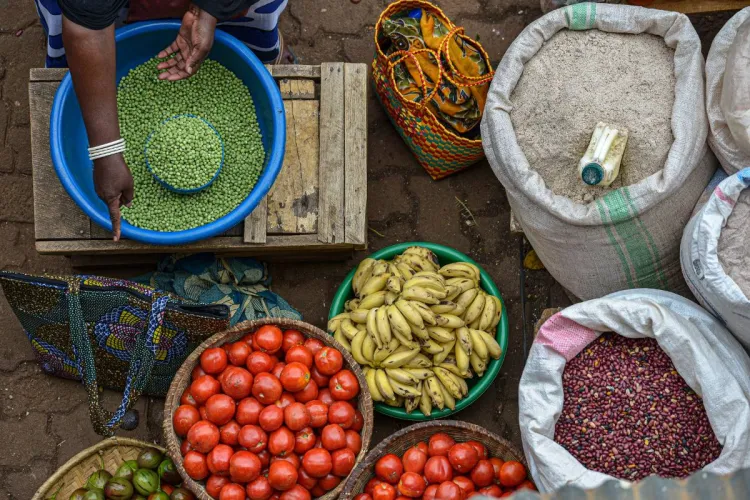
Rwanda's must-try traditional delicacies that showcase the rich flavors and culinary heritage of this vibrant country.
Rwanda, often called the Land of a Thousand Hills, offers a food culture built on what grows in its rich volcanic soils and terraced hillsides. This landlocked country in East Africa sits at altitudes between 1,000 and 4,500 meters, where abundant rainfall and fertile earth support bananas, plantains, beans, cassava, sweet potatoes, and fresh vegetables in remarkable abundance. More than 30 to 50 percent of the staples Rwandans eat come directly from their own small farms rather than markets—a true farm-to-table way of life that shapes every meal.
Everyday Rwandan food tends toward the vegetarian, with meat reserved for weekends, honored guests, and celebrations. Yet iconic dishes like brochettes and akabenzi hold a cherished place in the culture, appearing at evening gatherings and social spots across the country. Picture a plate of isombe—pounded cassava leaves rich with ground peanuts—served alongside ubugali in a simple Kigali eatery, or charcoal-grilled brochettes sizzling in a village bar under starlight. Sampling traditional Rwandan dishes in local canteens, bustling markets, and countryside guesthouses remains one of the quickest ways to understand daily life in this beautiful country.
Everyday staples and traditional ingredients
Most of Rwanda’s population lives in rural areas and relies on subsistence farming, which shapes a diet heavy in roots, grains, beans, and bananas. According to recent national surveys, households across nearly all provinces cultivate the same core crops, creating a shared culinary foundation despite regional variations. This agricultural heritage means fresh, locally grown ingredients dominate the table rather than imported or processed foods.
Beans, known locally as ibishyimbo or ibiharage, stand at the heart of Rwandan cooking. They provide over 30 percent of dietary protein for many households and appear in nearly every meal—boiled, stewed, or mashed. More than 90 percent of rural households grow dry beans, making them one of the most remarkable countries in terms of bean consumption. Cassava appears in multiple forms: the root is boiled or fried, cassava flour is used to make ubugali and umutsima, and cassava leaves are pounded into the beloved isombe stew. Maize and sorghum serve as grains for porridge and flour, while potatoes—both Irish and sweet potatoes—dominate in the northern and western provinces where cooافت steep slopes favor their cultivation.
Cooking fats are typically simple: vegetable oil or sometimes palm oil, with occasional butter in dairying areas. Seasonings remain modest but effective—onions, garlic, green peppers, chili, tomatoes, and salt form the base of most sauces. Ground peanuts frequently enrich stews and sauces, adding protein and a distinctive nutty depth that characterizes many traditional foods.
The typical meal structure centers on a starch base—ubugali, boiled potatoes, or steamed plantains—accompanied by one or two cooked vegetable dishes and sometimes a small portion of meat or fish. Around Lake Kivu and other lakes, fish features more prominently. In the south and west, bananas and plantains dominate. Northern highlands favor Irish potatoes. Yet across all regions, beans, cassava, and sweet potatoes bind the national diet together in a pattern that has persisted through generations.
Iconic Rwandan dishes you should try
Visitors to Rwanda will repeatedly encounter a set of classic dishes, many appearing in local buffets (called “hotels”) and simple restaurants throughout the country. These traditional Rwandan dishes reflect both agricultural realities and culinary creativity—turning humble ingredients into satisfying, flavorful meals.
Ibiraya refers to fried potatoes, either sweet potatoes or Irish potatoes, cut and deep-fried or shallow-fried until golden. Roadside stalls sell them as snacks, and they appear alongside brochettes and grilled meats as a beloved side dish. Think of them as Rwandan fries, crispy outside and tender within.
Igisafuria (sometimes spelled igisafuliya) is a one-pot dish combining chicken thighs or other meat with plantains, tomatoes, onions, and sometimes leafy greens, all simmered together until the flavors meld. Families often prepare it for weekend meals or when hosting guests, served with ubugali or rice.
Akabenzi means pan-fried or roasted pork, usually marinated or salted, cooked until crisp outside and tender inside. This tasty dish appears in lively Kigali bars and evening social spots in smaller towns, typically accompanied by ibiraya, roasted bananas, or greens. It represents the celebratory side of Rwandan food culture.
Isombe consists of pounded cassava leaves cooked with ground peanuts, onions, garlic, and sometimes additional greens. The result is a rich, earthy sauce that pairs perfectly with ubugali, rice, or boiled bananas. Common in homes and simple restaurants alike, isombe shows influences from the Democratic Republic of Congo but has become distinctly Rwandan.
Agatogo features stewed green plantains cooked with tomatoes, onions, and sometimes beans or meat. This hearty dish serves as a filling lunch or side, especially popular in the western regions near Lake Kivu.
Mizuzu are deep-fried sweet plantains cut into pieces and fried until caramelized at the edges. Street vendors sell them as snacks throughout the country, and their natural sweetness makes them popular with children and adults alike—perfect for eating while exploring markets.
Brochettes are skewers of beef, goat, chicken, or sometimes fish, grilled over charcoal until smoky and tender. Sold per skewer in Kigali’s evening street-food scene and at village bars nationwide, they come with fries, roasted potatoes, or grilled bananas. The scent of barbecued meat drifting from charcoal grills defines Rwandan evenings.
Umutsima is a thick, cake-like staple made by mixing cassava flour with corn flour (or sorghum), boiled until firm enough to slice. Rural households serve it with stews, beans, and greens as a filling carbohydrate base.
Ubugali is a stiff porridge made from cassava flour, maize flour, or a combination, cooked with water until firm and moldable. Diners tear off pieces with their right hand to scoop stews and sauces—the essential vehicle for experiencing Rwandan flavors.
Kachumbari is a fresh salad of chopped tomatoes and onions, sometimes with green pepper, chili, lime juice, or avocado. This cold condiment provides brightness and acidity alongside richer dishes.
Matoke refers to cooking bananas or plantains, peeled and steamed or boiled, sometimes mashed, occasionally cooked with tomato sauce and onions. Particularly common in the south and west, matoke appears with beans, greens, or meat stew.
Finally, the simple beans–avocado–sweet potato plate combines boiled or fried sweet potatoes, cooked beans, and sliced avocado. Nutritious and balanced, this vegetarian plate appears at lunch buffets throughout the land, showcasing how traditional foods can be both satisfying and healthful.
Regional food culture and where to eat in Rwanda
While the core staples are shared nationwide, food experiences differ sharply between Kigali, smaller towns, and rural villages. The capital offers growing variety alongside traditional roots, while the countryside maintains simpler, deeply local traditions.
Kigali’s food scene balances tradition with evolution. Casual “hotels” serve buffet-style traditional food at midday—several stews, beans, greens, and starches laid out for a set price. Neighborhood grills specialize in brochettes and akabenzi, coming alive in evenings when locals gather to eat and socialize. Mid-range restaurants increasingly modernize local cuisine, offering revamped plating and fusion ingredients while keeping dishes like isombe and matoke at the center. Some restaurants with views over the city pair meals with the country’s stunning scenery, while arts-center cafés combine exhibitions with Rwandan dishes.
Local markets offer the most immersive food experience. At Kimironko and Nyabugogo markets in Kigali, stalls overflow with baskets of bananas—dessert bananas, cooking bananas, and beer bananas—alongside avocados, beans, maize, fresh leafy vegetables, spices, and tropical fruits. Street vendors inside sell snacks like mandazi (fried dough) and samosas, or plates of beans with plantains. Musanze Market in the Northern Province near Volcanoes National Park showcases local seasonal produce, where trekkers can find simple lunches of beans, Irish potatoes, and boiled bananas.
Lakeside towns along Lake Kivu offer a different character entirely. Here, grilled tilapia and sambaza (small fried fish) appear on nearly every menu, served with plantains or roasted bananas. The fishing culture of many lakes in the western regions shapes both diet and atmosphere. Meanwhile, rural hillsides throughout the land feature the simplest plates—beans, sweet potatoes, ubugali, and greens cooked in ways that have changed little over generations.
Near Akagera National Park and other national parks, lodges and local guesthouses serve rustic plantain stews and vegetable dishes made from ingredients sourced within walking distance. These meals connect visitors directly to local communities and their agricultural traditions, offering a taste of rural Rwanda that tourist restaurants cannot replicate.
Rwandan drinks and beverages
Drinks weave through Rwandan social life from morning rituals to evening celebrations. Whether sharing tea at breakfast, sipping coffee at a cooperative, or raising banana beer at a village ceremony, beverages mark moments of connection and hospitality.
Rwandan coffee has earned global recognition as one of Africa’s finest. Grown at high altitudes between 1,500 and 2,000 meters in regions like Gakenke, Maraba, Nyamasheke, and Karongi, Arabica beans develop bright acidity, floral notes, and hints of citrus or red berry. Most Rwandan coffee undergoes washed processing, though producers increasingly experiment with natural, honey, and anaerobic fermentations. Some specialty lots even incorporate traditional banana beer (urwagwa) in fermentation, creating unique flavor profiles. Visitors can taste freshly brewed cups in Kigali cafés or tour cooperatives to see harvesting, washing stations, and processing firsthand. Coffee ranks among Rwanda’s major exports and represents the country’s grown rapidly international reputation for quality.
Tea culture runs equally deep. Large estates in the Western and Southern Provinces—around Gisovu, Gisagara, and the edges of Nyungwe forest—produce strong black tea. Rwandans typically serve it milky and sweet, often with simple biscuits, as a morning ritual or afternoon refreshment. The rolling tea plantations themselves offer some of Rwanda’s most beautiful country scenery, where visitors might walk among rows of green bushes stretching toward mist-covered hills.
Traditional alcoholic drinks remain central to ceremonies and community gatherings. Urwagwa, or banana beer, is made from fermented bananas and sometimes sorghum, brewed for weddings, harvest festivals, and communal meetings. It appears in gourds or calabashes in rural settings, passed among participants as a sign of hospitality. Sorghum beer and other grain-based brews also appear, varying by region. Visitors who respectfully join community events may have opportunities to taste these traditional beverages.
Non-alcoholic options abound at restaurants and markets. Fresh juices from passion fruit, mango, and pineapple appear throughout the country, while sugarcane juice is pressed on the spot at market stalls. Ikivuguto, a traditional fermented milk, offers a tangy probiotic option. Bottled soft drinks and increasingly common craft-style beers cater to urban areas and tourist venues, but tea and coffee remain the daily drinks of choice.
Food etiquette, eating habits, and practical tips
Mealtime customs in Rwanda reflect values of community, respect, and generosity. Lunch traditionally serves as the main hot meal of the day, especially for working households, while dinner tends to be lighter—often leftovers or smaller portions of starch with vegetables. Sharing food with guests holds deep importance; visitors to homes are typically offered whatever the household is eating, and refusing can be considered impolite.
Table etiquette follows patterns common across East Africa and other African countries. Many foods—particularly ubugali, plantains, and beans—are eaten with the right hand, with diners tearing off portions of starch to scoop accompanying stews. Washing hands before and after eating is customary, with water basins often provided at tables or entrances. Guests usually wait for elders or hosts to begin before eating, and avoiding waste shows respect for both the food and those who prepared it.
| Practical tip | Details |
|---|---|
| Ordering at buffets | Local “hotels” offer set-price buffets at lunch; point to what you want |
| Brochettes | Sold per skewer; order multiple for a full meal |
| Cooking time | Expect waits—many dishes are cooked fresh from scratch |
| Vegetarian options | Abundant: beans, vegetables, plantains, avocados, isombe (confirm no meat stock) |
| Useful phrases | “Nta nyama” (without meat), “nta amata” (no milk), “nta amafi” (no fish) |
Vegetarian and vegan travelers will find Rwanda remarkably accommodating. Traditional dishes like isombe, beans, matoke, agatogo, and various vegetable stews are naturally plant-based, though asking whether meat stock or fish sauce is used remains wise. Basic Kinyarwanda phrases help communicate dietary restrictions, though English works in most tourist-oriented venues.
For food safety, prefer busy, well-ventilated places where turnover keeps food fresh. Eat cooked food hot and peel fruits yourself. Budget-wise, a local buffet or home-style meal typically costs 1,500 to 4,000 RWF (roughly $1.50 to $4), while street snacks run 200 to 1,000 RWF. Mid-range restaurants and upscale venues charge significantly more, particularly for imported ingredients or meat dishes.
Culinary experiences and food-focused travel in Rwanda
Weaving food experiences into a Rwanda trip enriches every other adventure, whether you come to see mountain gorillas at Volcanoes National Park, safari through Akagera National Park’s savannahs, hike in Nyungwe’s ancient forests, or relax along Lake Kivu’s shores. Food connects travelers to local communities in ways that wildlife sightings alone cannot.
Guided market visits offer immersive introductions to Rwandan ingredients. Walking through Kimironko or Nyabugogo with a local guide, you might learn how vendors select the ripest plantains, which beans cook fastest, or how cassava leaves are cleaned and prepared. Cooking classes—available in Kigali and at rural guesthouses—take the experience further: participants shop for ingredients, pound leaves for isombe, shape ubugali with wet hands, grill brochettes over charcoal, and sit down to eat what they have made.
Coffee and tea cooperatives welcome visitors throughout the growing regions. At a coffee cooperative near Maraba or in the hills above Lake Kivu, you can walk through plantations, watch cherries being sorted and pulped at washing stations, and taste freshly brewed cups overlooking the very land where the beans grew. Similar experiences exist at tea estates, where the world seems to slow as mist drifts across endless green rows.
Independent travelers can build food into any itinerary with simple choices: eating in village restaurants along bus routes rather than tourist stops, trying breakfast in local bakeries where mandazi and chapati emerge fresh each morning, and picnicking with fruits, avocados, and roasted groundnuts bought from market vendors. Staying in rural guesthouses often means meals cooked from ingredients grown on the host’s farm, served family-style with conversation and warmth.
Rwandan food reflects the country’s resilience and agricultural heritage—not just survival through civil war and hardship, but creativity in turning humble beans into rich stews, cassava leaves into beloved dishes, and bananas into beer that marks life’s celebrations. The history of the Republic of Rwanda, including periods when a Rwandan king promoted bean cultivation and times of devastating genocide and recovery, lives in the continued cultivation of traditional crops and the daily act of sharing meals.
For travelers willing to go beyond tourist menus—to markets where vendors call out in Kinyarwanda, to countryside kitchens where ubugali is stirred over wood fires, to evening gatherings where brochettes sizzle and conversation flows—the rewards extend far beyond taste. Food in Rwanda offers warm connections, nuanced flavors, and a deeper understanding of one of Africa’s most remarkable countries. The des mille collines, the thousand hills, grow not only tea and coffee but also the ingredients for a food culture worth traveling to experience.
So on your next world travel adventure, let food guide you. Eat where locals eat. Ask questions. Learn a few phrases. Taste the beans that sustained generations, the bananas that became beer, the coffee that now reaches cafés worldwide. In doing so, you will find that Rwanda’s true flavor lies not just in its dishes but in the hospitality and history served alongside them.