
Food in Romania
A complete guide to traditional Romanian cuisine.
Romania’s culinary landscape tells a story of resilience, adaptation, and cultural fusion that spans centuries. Nestled in the heart of eastern europe, this fascinating country has developed a distinctive food culture that reflects both its agricultural heritage and complex history of cultural influences. From the hearty comfort of stuffed cabbage rolls to the smoky allure of grilled sausages, food in rumania represents far more than mere sustenance—it’s a celebration of tradition, community, and the enduring spirit of Romanian culture.
Traditional romanian food embodies the essence of peasant cuisine elevated through generations of refinement. The dishes are substantial, designed to fuel hard-working people through long days and harsh winters. Romanian cuisine draws from Turkish, Hungarian, German, and Slavic influences while maintaining its unique identity through local ingredients and time-honored cooking methods. This culinary heritage creates a dining experience that’s both familiar and exotic, comforting yet adventurous.
Overview of Romanian cuisine
Romanian cuisine stands as a testament to the country’s position as a crossroads of civilizations. The food reflects a fascinating blend of influences that shaped the nation’s identity over centuries. Turkish rule introduced techniques for preserving vegetables and meat preparations, while Hungarian traditions contributed hearty stews and baking methods. German settlers brought precision to sausage-making and fermentation, and Slavic influences added depth to soup traditions.
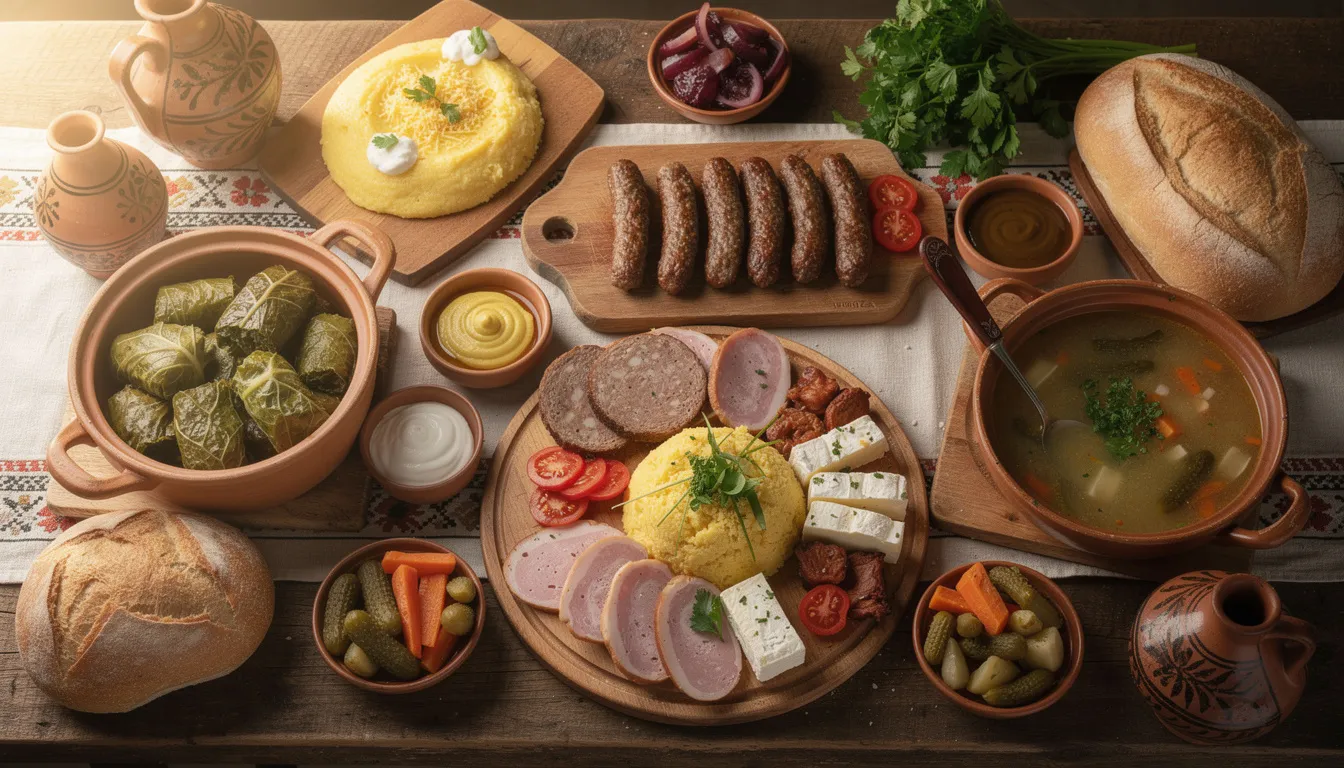
The foundation of Romanian food rests on several key characteristics that define its distinctive flavor profile. Heavy use of pork dominates the meat selection, a tradition strengthened during Ottoman occupation when Islamic dietary restrictions made pork farming more accessible to Romanian families. Sour cream appears in countless preparations, adding richness and tanginess that balances the robust flavors of smoked meat and pickled vegetables.
Polenta, known locally as mămăligă, serves as the cornerstone starch that replaces bread in many traditional romanian dishes. This cornmeal preparation ranges from simple accompaniments to elaborate presentations stuffed with cheese and topped with crispy pork fat. Seasonal ingredients play a crucial role, with preservation techniques like pickling and smoking ensuring year-round access to vegetables and proteins.
Romanian meals follow a distinct pattern, with lunch serving as the primary meal of the day. This substantial midday feast typically includes multiple courses: a hearty soup, a main dish featuring meat and vegetables, and often concludes with fresh fruit or a simple dessert. Dinner tends to be lighter, sometimes consisting of leftovers from lunch or simple preparations like fried eggs with fresh bread.
Regional variations across Romania add complexity to the national cuisine. Transylvania showcases Hungarian influences through dishes like balmoș and chimney cakes, while maintaining Germanic precision in sausage preparation. Moldavia features more Russian and Ukrainian influences, particularly in bread baking and preservation techniques. Wallachia represents the heartland of romanian traditional dishes, while Dobruja along the Black Sea coast incorporates Turkish and Bulgarian elements alongside fresh fish preparations.
Essential traditional Romanian dishes
Romania’s rich culinary heritage is best experienced through its iconic traditional dishes, each telling a story of history, culture, and local flavors. In this section, we explore some of the most beloved and essential Romanian recipes that define the nation’s food culture and invite you to savor the authentic tastes of Romania.
Sarmale (stuffed cabbage rolls)
Sarmale holds the distinction of being Romania’s undisputed national dish, a preparation that embodies the soul of traditional romanian cuisine. These meticulously crafted cabbage rolls consist of pickled cabbage leaves wrapped around a savory mixture of minced meat, rice, and aromatic herbs. The dish represents far more than a simple meal—it’s a cultural institution that connects families across generations and serves as the centerpiece of major celebrations.
The traditional preparation of sarmale requires patience and skill passed down through family lines. Fresh cabbage heads are carefully hollowed, with each leaf separated and blanched to achieve the perfect texture for wrapping. The filling combines ground pork with beef, rice, chopped onions, and a blend of dill, thyme, and black pepper. Some regional variations include pine nuts or chopped mushrooms, while others add a touch of paprika for color and warmth.
The cooking method transforms these simple ingredients into something extraordinary. Traditionally prepared in clay pots, sarmale cook slowly over low heat for several hours, allowing the flavors to meld and the cabbage to become tender. The bottom of the pot is lined with sauerkraut and sometimes smoked pork ribs, creating layers of flavor that infuse the entire dish.
Sarmale appears at every significant Romanian celebration. Christmas tables across the country feature enormous pots of these cabbage rolls, often prepared days in advance as the flavors improve with time. Easter celebrations, weddings, and baptisms all center around sarmale, served alongside mămăligă, sour cream, and spicy pickled peppers. The dish traditionally served with crusty fresh bread and accompanied by a glass of local wine creates a meal that satisfies both body and spirit.
Mici (grilled skinless sausages)
Mici represents Romania’s favorite street food, a beloved preparation that brings communities together around grills and open fires. These skinless sausages, whose name literally translates to “little ones,” pack enormous flavor into their modest size. Made from a carefully balanced mixture of minced beef, lamb, and ground pork, mici achieve their distinctive taste through secret family recipes guarded jealously by cooks across the country.
The preparation of authentic mici requires specific techniques that separate exceptional versions from ordinary imitations. The meat mixture must include precise proportions of beef and lamb, with pork fat adding moisture and flavor. Garlic plays a crucial role, along with black pepper, thyme, and sometimes a touch of baking soda to achieve the proper texture. The mixture needs to rest overnight, allowing the flavors to develop and the proteins to bind properly.
Traditional grilling methods over charcoal fires create the signature smoky flavor and crispy exterior that defines exceptional mici. Street vendors and backyard grill masters maintain carefully tended fires, turning the sausages constantly to ensure even cooking. The sound and aroma of mici sizzling over hot coals signals celebration and community gathering throughout Romania.
Mici typically served with strong mustard, fresh bread, and cold beer creates the perfect casual dining experience. The best authentic versions can be found at local markets, street vendors during festivals, and roadside grills where families stop during weekend drives. Each region claims superior mici, leading to friendly competitions and passionate debates about proper preparation techniques.
Mămăligă (Romanian polenta)
Mămăligă serves as the foundation of countless romanian recipes, a versatile cornmeal preparation that has sustained Romanian families for centuries. This humble dish demonstrates how simple ingredients can achieve greatness through proper technique and cultural significance. Far more than basic polenta, mămăligă represents the ingenuity of Romanian cooks who transformed corn into countless delicious preparations.
The basic preparation requires only cornmeal, water, and salt, but achieving the perfect texture demands skill and attention. The cornmeal must be added gradually to boiling salted water while stirring constantly to prevent lumps. Traditional cooks use wooden spoons and copper pots, stirring in a specific pattern that ensures smooth, creamy results. The cooking process takes approximately thirty minutes, with the mămăligă ready when it easily pulls away from the pot sides.
Various preparations showcase mămăligă’s versatility beyond its role as a simple accompaniment. Plain mămăligă serves alongside meat dishes, absorbing flavorful sauces and gravies. When mixed with salty cheese and sour cream, it becomes a complete meal suitable for any time of day. Bulz, a popular variation, involves forming the polenta into balls, stuffing them with sheep cheese, then grilling until crispy outside and molten within.
Historical importance elevates mămăligă beyond mere sustenance to cultural symbol. Originally peasant food that provided affordable nutrition during difficult times, mămăligă evolved into a source of national pride. Romanian families continue preparing traditional recipes passed through generations, serving mămăligă at holiday meals alongside the finest dishes. Its presence on Romanian tables connects modern diners with their agricultural ancestry and reminds them of the resourcefulness that characterizes Romanian cooking.
Traditional Romanian soups
Romanian cuisine offers a rich variety of soups and hearty meals that showcase the country’s culinary heritage and regional flavors. These traditional dishes are beloved for their comforting qualities and deep, satisfying tastes, perfect for experiencing the authentic food in Romania.
Ciorbă de Burtă (tripe soup)
Ciorbă de burtă stands as Romania’s most famous and polarizing soup, a preparation that inspires passionate devotion among enthusiasts while challenging newcomers with its distinctive flavors. This sour soup features beef tripe as the primary ingredient, combined with vegetables and aromatic herbs to create a complex, deeply satisfying dish. Often called the ultimate test of authentic Romanian cooking, tripe soup represents the pinnacle of traditional culinary expertise.
The preparation begins with careful cleaning and pre-cooking of beef tripe, a process that requires patience and technique to achieve the proper texture. The tripe is boiled for several hours until tender, then cut into thin strips. A flavorful broth develops from the cooking liquid, enhanced with carrots, celery, onions, and bay leaves. The signature sour taste comes from fermented wheat bran (borș) or fresh lemon juice, creating the characteristic tang that defines ciorbă varieties.
Traditional cooking techniques emphasize slow development of flavors through extended simmering. The soup requires constant attention, with vegetables added at precise intervals to maintain their texture and nutritional value. Garlic sauce prepared separately adds another layer of complexity, while fresh herbs like parsley and dill provide brightness that balances the rich, hearty base.
Romanian culture embraces tripe soup as the ultimate comfort food and hangover cure. Traditionally served very hot with additional sour cream, spicy peppers, and garlic sauce on the side, the soup provides warmth and sustenance during cold weather. Many Romanians consider authentic ciorbă de burtă essential for recovery after celebrations, believing its rich broth and complex flavors restore both body and spirit.
Ciorbă de perișoare (meatball soup)
Ciorbă de perișoare represents one of Romania’s most beloved comfort foods, a delicious soup that combines tender meatballs with fresh vegetables in a characteristically sour broth. This popular preparation demonstrates how traditional romanian stew techniques can create light yet satisfying meals suitable for any season. The dish showcases the Romanian mastery of balancing flavors while providing substantial nutrition through simple, wholesome ingredients.
The meatballs form the heart of this absolutely delicious soup, typically made from ground pork mixed with rice, chopped onions, and fresh herbs. Some cooks add ground meat combinations including beef for extra richness, while others incorporate bread crumbs soaked in milk for tenderness. Each family guards their particular seasoning blend, with dill, parsley, and black pepper appearing most commonly across regional variations.
The soup base develops through careful layering of flavors, beginning with sautéed onions and carrots that provide sweetness and depth. Celery, bell peppers, and sometimes tomato paste contribute additional complexity, while the characteristic sour taste comes from lemon juice or traditional borș. The vegetables are added in sequence to ensure proper cooking times, maintaining their texture and nutritional value throughout the gentle simmering process.
Seasonal variations reflect Romania’s agricultural calendar and preservation traditions. Summer versions feature fresh tomatoes and abundant herbs from garden plots, while winter preparations rely on preserved vegetables and root cellars’ stored produce. Regional differences appear in spice preferences and additional ingredients—some areas add potatoes for heartiness, while others include green beans or cabbage for extra nutrition.
Other notable soups
Romanian soup culture extends far beyond the famous tripe and meatball varieties, encompassing a rich tradition of seasonal and regional preparations that showcase local ingredients and cooking techniques. Bean soup with smoked pork (ciorbă de fasole cu afumătură) represents one of the most satisfying winter preparations, combining tender white beans with smoky pork fat and aromatic vegetables for a hearty meal that sustained farming families through cold months.
Ciorbă rădăuțeană originates from the town of Rădăuți in northern Romania, featuring chicken breast and vegetables in a creamy, sour broth enriched with egg yolks and sour cream. This delicious soup demonstrates how regional specialties develop around local ingredients and cooking traditions, creating dishes that remain closely associated with their place of origin.
Seasonal vegetable soups showcase Romania’s agricultural abundance and preservation techniques. Spring brings fresh nettle soup, prepared with young leaves and enhanced with garlic sauce for a cleansing, nutritious meal. Summer vegetable soup combinations feature whatever the garden produces—tomatoes, peppers, zucchini, and herbs combined in light, refreshing preparations that provide relief from hot weather while delivering essential nutrients.
Meat dishes and hearty mains
Hearty dishes for the main course of a meal, or dishes that can be a meal on their own.
Tochitură (Traditional Stew)
Tochitură represents the ultimate expression of Romanian comfort food, a robust traditional romanian stew that varies significantly between regions while maintaining its essential character as a celebration of meat, vegetables, and bold flavors. This hearty preparation demonstrates Romanian cooks’ ability to transform simple ingredients into extraordinary meals through careful technique and generous seasoning.
Moldovan-style tochitură typically features a mixture of pork cuts, including both fresh meat and smoked varieties, combined with spicy sausages and bacon for depth of flavor. The cooking method involves browning the meats separately to develop proper texture, then combining them with onions, garlic, and tomato sauce for a rich, complex sauce. Bell peppers and sometimes mushrooms add additional flavors and textures that complement the meat mixture.
Transylvanian variations often incorporate different meat selections and cooking techniques influenced by Hungarian traditions. These versions might include lamb meat alongside pork and beef, with paprika providing characteristic color and warmth. The vegetables are often cooked until they nearly dissolve into the sauce, creating a thick, rich consistency that coats the meat beautifully.
Traditional serving presentations emphasize tochitură’s role as celebration food worthy of special occasions. The stew traditionally served with hot mămăligă, fried egg on top, and various pickles creates a complete meal that satisfies both appetite and cultural expectations. The best restaurants in Bucharest and other major cities feature their own tochitură interpretations, often accompanied by local wine recommendations that complement the dish’s rich flavors.
Ciolan cu varză (pork knuckle with cabbage)
Ciolan cu varză exemplifies Romanian cuisine’s mastery of slow-cooking techniques that transform tough cuts into tender, flavorful centerpieces worthy of special occasions. This traditional preparation features pork knuckle braised with sauerkraut until the meat falls off the bone and the cabbage absorbs the rich, smoky flavors. The dish represents the type of substantial, warming food that sustained Romanian families through harsh winters while providing celebration-worthy presentations for holidays and gatherings.
The preparation begins with properly prepared pork knuckle, often lightly smoked or cured to enhance flavor development. The meat is browned carefully to develop color and texture, then combined with pickled cabbage that has been drained and rinsed to control sourness levels. Traditional cooking methods involve clay pots or heavy casseroles that distribute heat evenly during the long, slow cooking process.
Flavor development occurs through patient simmering that allows the pork fat to render slowly, enriching the cabbage while keeping the meat moist and tender. Aromatics like bay leaves, black pepper, and sometimes juniper berries add complexity without overwhelming the fundamental pork and cabbage combination. The cooking time extends several hours, with proper doneness achieved when the meat separates easily and the cabbage reaches perfect tenderness.
Accompaniments complete the dining experience with traditional condiments that cut through the rich flavors while providing textural contrast. Fresh horseradish provides sharp heat that awakens the palate, while mustard adds tangy complexity. Crusty fresh bread serves both as accompaniment and utensil for soaking up the flavorful cooking juices. Popular restaurants throughout Romania feature their interpretations of this classic dish, often accompanied by local wine selections that complement the robust flavors.
Romanian appetizers and small plates
Romanian appetizer traditions reflect the country’s mastery of preservation techniques and flavor layering that create memorable dining experiences before the main courses arrive. These small plates demonstrate how simple ingredients transform into sophisticated preparations through traditional techniques passed down through generations of home cooks and professional chefs.
Salată de icre showcases Romania’s expertise with fish roe preparations, creating a luxurious spread that rivals more expensive international versions. The preparation typically uses carp roe, though other freshwater fish varieties work equally well. The roe is carefully cleaned and whipped with olive oil and lemon juice until it achieves a light, mousse-like texture. Served with crusty bread and accompanied by finely chopped raw onions, this appetizer provides an elegant start to traditional romanian meals.
Roasted eggplant salad represents one of Romania’s most beloved vegetable preparations, demonstrating how simple techniques create complex flavors. The eggplants are charred over open flames until the skin blackens and the flesh becomes completely tender. After peeling, the flesh is chopped with garlic and mixed with olive oil, creating a smoky, creamy salad with rustic texture. Some variations add chopped tomatoes or bell peppers for additional complexity and color.
Zacuscă embodies Romanian autumn traditions of preserving garden abundance for winter consumption. This thick vegetable spread combines roasted red peppers, eggplant, onions, and tomatoes cooked slowly until they form a rich, jamlike consistency. Traditional preparation involves large batches made when vegetables reach peak ripeness, then preserved in jars for winter enjoyment. Modern versions often include additional vegetables or spices, but the fundamental preparation remains unchanged.
Traditional cheese and cured meat platters feature Romanian specialty products that showcase regional production techniques. Fresh salty cheese, particularly sheep cheese varieties, provides creamy texture and clean flavors that pair beautifully with cured meats. Local sausages and bacon preparations demonstrate smoking and curing techniques specific to different regions, creating diverse flavor profiles within the same basic preparation methods.
Mujdei serves as the essential garlic sauce that appears alongside countless Romanian dishes, providing sharp, pungent flavors that awaken the palate and complement rich, fatty preparations. Traditional mujdei combines crushed garlic with salt, vegetable oil, and sometimes vinegar or lemon juice. The consistency ranges from chunky to smooth depending on preparation method and intended use.
Regional specialties
Transylvanian Dishes
Transylvanian cuisine reflects the region’s complex cultural heritage, where Romanian traditions merge with Hungarian, German, and other influences to create distinctive dishes that remain closely associated with this historic region. The mountainous geography and pastoral traditions contribute ingredients and cooking methods that differ significantly from other parts of Romania.
Balmoș represents the pinnacle of Transylvanian shepherd cuisine, a creamy polenta preparation enriched with multiple cheese varieties and topped with crispy pork fat. Mountain shepherds developed this dish as a way to use fresh cheese from their flocks while creating a substantial meal that provided energy for demanding work. The preparation requires careful attention to texture, with the polenta cooked until perfectly smooth, then enriched with fresh sheep cheese and sometimes melted cheese for extra richness.
Kürtőskalács demonstrates clear Hungarian influences in Transylvanian baking traditions, though Romanian versions often feature distinctive local touches. These cylindrical sweet bread preparations are rolled in sugar and baked over open flames until golden and crispy outside while remaining soft within. Traditional preparation involves wrapping yeast dough around wooden cylinders, then rotating them over glowing coals until the sugar caramelizes into a crispy shell.
Local sausages and meat preparations showcase Germanic precision applied to Romanian ingredients and flavor preferences. Transylvanian sausage makers pride themselves on balanced spice blends and proper smoking techniques that create distinctive regional products. These preparations often feature in traditional restaurants throughout the region, served alongside local vegetables and bread varieties that complement the meat flavors.
Moldovan specialties
Moldovan cuisine emphasizes dairy products and baking traditions that reflect both Russian influences and local agricultural strengths. The region’s fertile soils and favorable climate create ideal conditions for grain production and livestock raising, resulting in dishes that showcase these local advantages through time-honored preparation methods.
Papanași stand as Moldova’s most famous contribution to Romanian dessert traditions, featuring light cheese doughnuts topped with sour cream and fruit preserves. These absolutely delicious treats begin with fresh cheese mixed into a light batter that creates tender, fluffy doughnuts when properly prepared. Traditional toppings include generous portions of sour cream and homemade preserves, typically cherry or plum varieties that provide sweet-tart contrast to the rich dough.
Regional soup variations demonstrate Moldovan preferences for heartier, more complex preparations that often include additional grains or dairy products. Local ingredients like specific herb varieties and preservation techniques create flavor profiles that distinguish Moldovan soups from similar preparations in other regions. Bean soup variations often feature distinctive spice blends and smoking techniques that reflect both Romanian traditions and neighboring influences.
Traditional wine pairings showcase Moldova’s reputation as Romania’s premier wine-producing region, with local varietals that complement regional cuisine perfectly. Moldovan vineyards produce both indigenous grape varieties and international styles, creating diverse options for food pairing. Local wine culture emphasizes the connection between regional cuisine and local production, with traditional restaurants featuring extensive lists of regional selections.
Wallachian and Dobrogean foods
Wallachian cuisine represents the heartland of traditional romanian dishes, where many preparations considered quintessentially Romanian originated and continue to be prepared according to authentic methods. The region’s central location and agricultural abundance created ideal conditions for developing the substantial, satisfying dishes that define Romanian food culture.
The Danube Delta region contributes fresh fish preparations that demonstrate Romania’s mastery of freshwater cooking techniques. Local fishermen supply restaurants and markets with varieties that benefit from simple preparation methods that highlight natural flavors. Traditional cooking methods often involve grilling over open fires or gentle poaching that preserves delicate textures while developing complex flavors through careful seasoning.
Turkish-influenced dishes in Dobruja reflect centuries of cultural exchange that enriched Romanian cuisine through new ingredients and cooking techniques. These preparations often feature distinctive spice blends and preparation methods that remain closely associated with the region. Local markets feature ingredients and prepared foods that demonstrate these influences while maintaining Romanian character through local adaptations.
Seasonal specialties throughout both regions showcase the abundance of local produce and traditional preservation methods that ensure year-round availability of favorite ingredients. Spring brings fresh herbs and vegetables that feature in light, refreshing dishes, while autumn harvests create opportunities for preserving and preparing hearty winter meals.
Romanian desserts and sweets
Romanian dessert traditions demonstrate remarkable sophistication achieved through simple ingredients and time-honored techniques that transform basic preparations into memorable treats worthy of special occasions. These sweet preparations reflect both religious influences and cultural celebrations that mark important moments throughout the year.
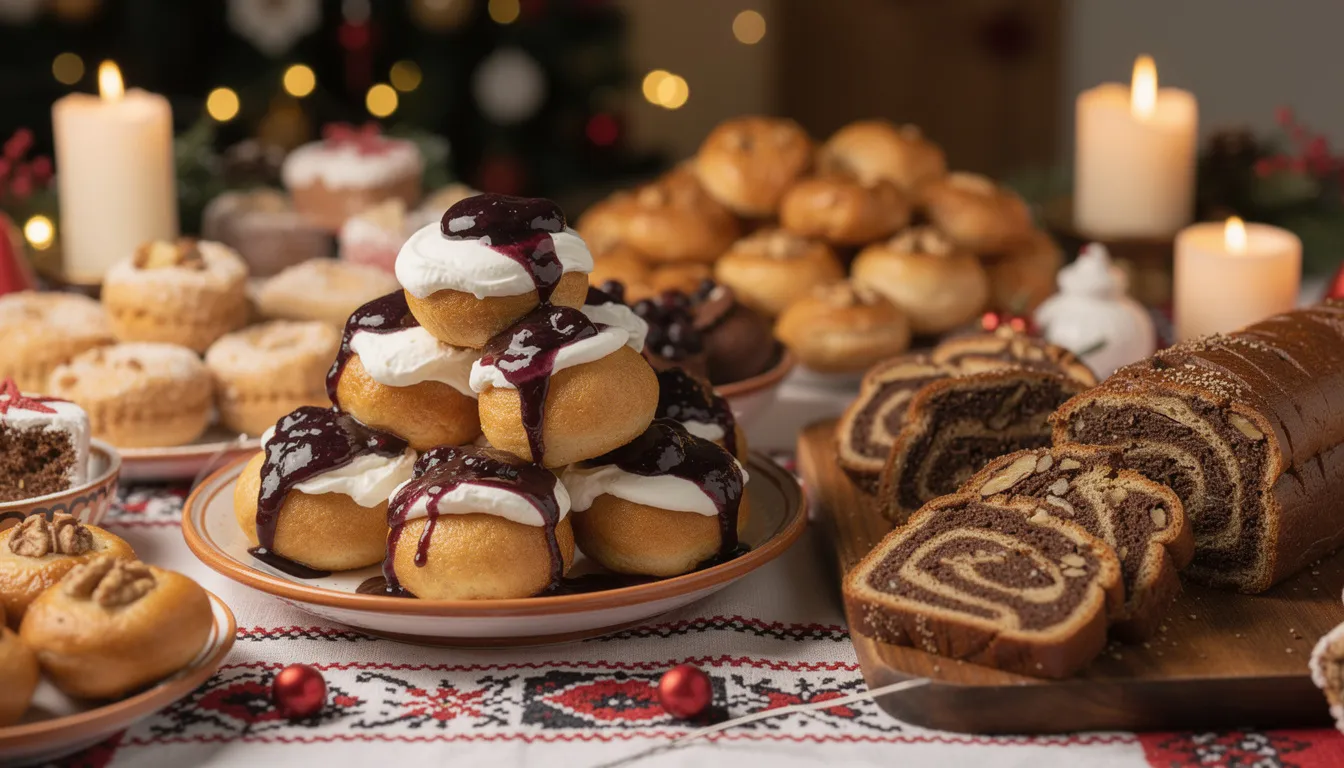
Papanași deserve special attention as Romania’s most beloved traditional dessert, featuring light cheese doughnuts that achieve the perfect balance between rich, tender texture and bright, refreshing toppings. The preparation begins with fresh cheese—preferably cottage cheese or farmer’s cheese—mixed with flour, eggs, and a touch of sugar to create a light batter. Traditional cooking methods involve dropping spoonfuls into hot oil and frying until golden brown and cooked through.
The traditional toppings elevate papanași from simple fried dough to elegant dessert worthy of fine dining presentations. Generous dollops of sour cream provide tangy richness that balances the sweet elements, while homemade fruit preserves add bright flavors and attractive color. Cherry preserves remain the most traditional choice, though plum, apricot, and other seasonal fruit varieties create equally delicious combinations.
Cozonac represents Romanian holiday baking at its finest, featuring enriched sweet bread traditionally prepared for Christmas and Easter celebrations. The dough requires careful preparation with eggs, butter, milk, and sugar creating a rich, tender texture that supports various filling options. Traditional fillings include ground walnuts mixed with sugar and cocoa, poppy seed preparations, or sweet cheese mixtures that create distinct flavor profiles within the same basic preparation method.
Cornulețe showcase Romanian pastry skills through delicate, crescent-shaped cookies that feature various fillings and preparation methods. The dough often includes cream cheese or sour cream, creating tender pastry that melts in the mouth. Traditional fillings range from ground nuts and preserves to sweet cheese mixtures, with each family maintaining preferred combinations passed through generations.
Alivenci demonstrates how traditional ingredients like polenta can transform into sophisticated desserts through careful preparation and proper seasoning. This sweet polenta dessert features corn flour cooked with milk and sugar, then enriched with cheese and eggs before baking until golden. Regional variations include different cheese types and additional flavorings that create unique local interpretations of this classic dessert.
Traditional homemade preserves and fruit compotes complete Romanian dessert traditions through preservation techniques that capture seasonal flavors for year-round enjoyment. These preparations often serve multiple purposes, functioning as dessert toppings, breakfast accompaniments, and holiday gifts that demonstrate household expertise and generosity.
Traditional Romanian drinks
Alcoholic Beverages
Romanian drinking traditions center around locally produced spirits and wines that reflect both agricultural abundance and cultural preferences for robust, flavorful beverages that complement the substantial cuisine. These drinks serve important social functions, marking celebrations and facilitating the hospitality that characterizes Romanian culture.
Țuică and pălincă represent Romania’s national spirits, potent fruit brandies that demonstrate the country’s mastery of distillation techniques applied to abundant fruit harvests. Țuică, typically made from plums, achieves lower alcohol content suitable for casual consumption, while pălincă reaches higher proof levels that command respect and careful consumption. Traditional distillation involves copper stills and careful attention to temperature control that separates quality productions from amateur attempts.
The cultural importance of these spirits extends far beyond simple alcohol consumption to encompass social rituals, hospitality customs, and seasonal celebrations that mark important moments throughout the year. Serving țuică to guests demonstrates proper hospitality, while sharing pălincă creates bonds between friends and family members. Many Romanian families maintain private stills for personal consumption, creating distinctive productions that reflect local fruit varieties and individual preferences.
Vișinată and other fruit liqueurs showcase Romanian expertise with infusion techniques that capture the essence of seasonal fruits in potent, flavorful preparations. Cherry liqueur remains the most popular variety, featuring ripe cherries steeped in high-proof alcohol until they release their flavors and colors. Traditional preparation involves specific timing and techniques that ensure proper flavor extraction while maintaining attractive appearance.
Romanian wine regions produce varietals that range from internationally recognized styles to indigenous grapes that create unique flavor profiles unavailable elsewhere. Major wine regions include Moldova, Muntenia, and parts of Transylvania, each contributing distinctive characteristics based on local terroir and traditional production methods. Local wine culture emphasizes food pairing, with regional wines specifically developed to complement traditional cuisine.
Local beer brands including Ursus and Timișoreana represent Romania’s brewing heritage, while craft breweries continue developing innovative approaches that honor traditional methods while exploring modern techniques. These beers often accompany casual dining experiences, particularly street food like mici and other grilled preparations that benefit from cold, refreshing accompaniments.
Non-alcoholic drinks
Romanian non-alcoholic beverage traditions showcase the country’s agricultural diversity and seasonal preservation techniques that create refreshing, flavorful drinks suitable for various occasions and age groups. These preparations often feature health benefits alongside pleasant flavors, reflecting traditional knowledge about herbal properties and nutritional needs.
Socată represents Romania’s mastery of fermentation techniques applied to elderflower blossoms, creating a refreshing, lightly effervescent drink that captures the essence of late spring gardens. Traditional preparation involves steeping fresh elderflower heads in sugar water with lemon juice, then allowing natural fermentation to develop subtle alcohol content and characteristic bubbling texture. The resulting beverage provides cooling refreshment during hot weather while offering delicate floral flavors that complement light meals.
Seasonal preparation of socată connects Romanian families with agricultural cycles and traditional knowledge about optimal harvesting times and preparation techniques. The brief flowering period of elderberry bushes creates urgency around socată production, leading to community sharing of recipes and techniques that ensure successful results. Modern versions often include controlled fermentation methods that create consistent results while maintaining traditional flavor profiles.
Traditional herbal teas demonstrate Romanian knowledge of mountain herbs and their various health benefits, creating warming beverages that provide both comfort and medicinal properties. Mountain areas provide numerous wild herbs that traditional healers and home cooks use to create teas for specific purposes—digestive support, cold relief, and general health maintenance. These preparations often involve multiple herb combinations that create complex, satisfying flavors while delivering traditional health benefits.
Compot serves dual purposes as both beverage and light dessert, featuring fresh or preserved fruits cooked gently with sugar to create naturally sweet drinks that provide nutrition and refreshment. Summer versions use fresh fruits at peak ripeness, while winter preparations rely on preserved fruits that maintain nutritional value through cold months. Traditional preparation emphasizes gentle cooking that preserves fruit textures while developing complex, satisfying flavors.
Romanian food culture and dining customs
Romanian food culture extends far beyond mere consumption to encompass social rituals, seasonal celebrations, and hospitality customs that define community relationships and cultural identity. Understanding these cultural dimensions provides essential context for appreciating how food functions within Romanian society and why certain preparations maintain such significance across generations.
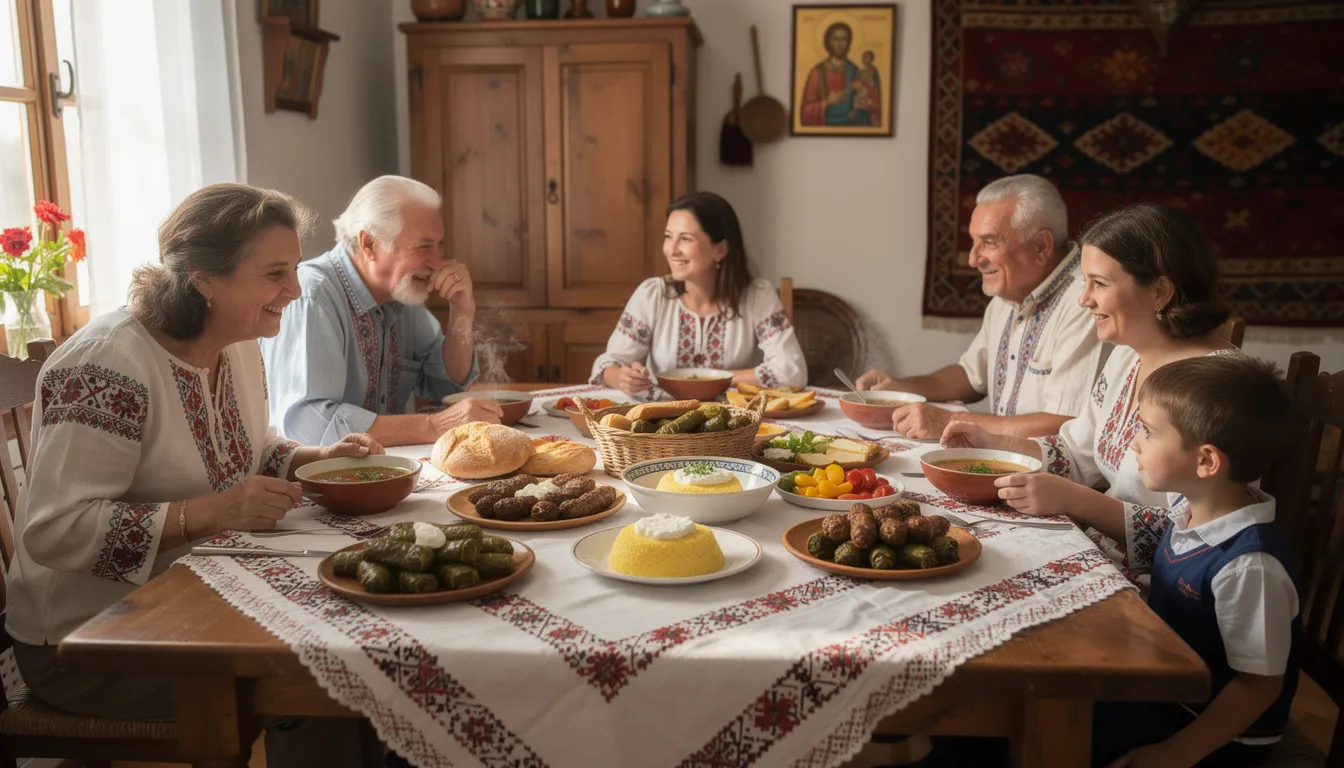
Meal timing follows distinctive patterns that reflect agricultural traditions and cultural preferences for substantial midday meals that provide energy for afternoon activities. Lunch functions as the primary meal, often featuring multiple courses that begin with soup and progress through main dishes featuring meat and vegetables. This substantial meal typically occurs between noon and early afternoon, allowing for proper digestion before lighter evening activities.
Dinner tends toward lighter preparations that avoid taxing the digestive system before sleep while providing sufficient nutrition for evening activities. Common dinner preparations include fried egg with fresh bread, leftover dishes from lunch, or simple preparations like cheese and preserved meats. This pattern reflects both practical considerations about digestion and traditional work schedules that required substantial midday nutrition.
Holiday food traditions demonstrate how cuisine functions as cultural expression and community bonding that strengthens relationships while maintaining cultural continuity. Christmas pig slaughter represents one of the most significant food rituals, involving entire communities in processing fresh meat into various preparations that sustain families through winter months. This tradition combines practical food preservation with social celebration that reinforces community bonds.
Easter lamb preparations create similar community involvement while marking religious significance through specific foods associated with spiritual renewal and seasonal rebirth. Traditional preparations often involve entire lambs roasted over open fires, creating festive atmospheres that combine religious observance with cultural celebration. These occasions demonstrate how food serves functions beyond nutrition to encompass spiritual and social dimensions.
Table manners and hospitality customs reflect Romanian values regarding generosity, respect, and proper social behavior that governs interactions between hosts and guests. Offering food to visitors represents fundamental hospitality that cannot be refused without causing offense. Proper etiquette involves accepting offered refreshments while demonstrating appreciation for the host’s generosity through appropriate behavior and conversation.
The role of food in Romanian celebrations extends throughout the lifecycle, marking births, marriages, and deaths through specific preparations that carry cultural meaning beyond their nutritional value. Wedding feasts feature elaborate preparations that demonstrate family prosperity and social status while creating memorable experiences for guests. Funeral gatherings include specific foods that provide comfort while honoring the deceased through traditional preparations.
Traditional food preservation methods ensure year-round availability of favorite ingredients while maintaining nutritional value through winter months when fresh produce becomes unavailable. Smoking, pickling, and fermentation techniques developed over centuries create distinctive flavor profiles while extending storage life of various foods. These methods continue in modern Romanian households, connecting contemporary families with traditional knowledge and seasonal rhythms.
Where to experience Romanian food
Traditional Restaurants
Bucharest offers numerous opportunities to experience authentic Romanian traditional dishes in atmospheric settings that honor culinary traditions while providing modern dining comfort. Historic establishments like Caru’ cu Bere create immersive experiences that transport diners into Romania’s past through authentic architecture, traditional music, and carefully prepared regional specialties that showcase classic techniques and time-honored recipes.
Manuc’s Inn represents another iconic Bucharest destination where travelers can sample traditional Romanian restaurant cuisine in surroundings that have welcomed guests for centuries. The historic courtyard setting provides authentic atmosphere while the kitchen maintains high standards for classic preparations like sarmale, ciorbă de burtă, and other national specialties that demonstrate proper technique and authentic flavoring.
Regional cities throughout Romania offer distinctive dining experiences that showcase local specialties and regional cooking styles not readily available in the capital. Cluj-Napoca features restaurants specializing in Transylvanian preparations that highlight Hungarian influences and mountain ingredients. Brașov provides access to traditional alpine cuisine with Germanic influences, while Sibiu offers Saxon culinary traditions adapted to Romanian tastes over centuries of cultural exchange.
Rural guesthouses and agrotourism facilities provide the most authentic experiences of traditional Romanian food prepared according to family recipes and served in settings that maintain cultural context. These establishments often feature ingredients grown on-site or sourced from local producers, creating farm-to-table experiences that connect diners directly with agricultural traditions that sustain Romanian cuisine.
Many rural accommodations include cooking demonstrations or hands-on experiences where guests can participate in traditional food preparation while learning techniques passed through generations. These educational opportunities provide deep cultural immersion that extends beyond mere consumption to encompass understanding of how traditional foods connect with seasonal rhythms, family relationships, and community celebrations.
Food markets and street food
Romanian food markets provide essential cultural experiences that showcase local cuisine in its most authentic forms while demonstrating how communities gather around food traditions that sustain cultural identity. Major markets in Bucharest like Piața Obor and Piața Amzei offer comprehensive selections of fresh ingredients, prepared foods, and regional specialties that reflect Romania’s agricultural abundance and cultural diversity.
These markets function as community gathering places where locals shop for daily needs while visitors can observe Romanian food culture in its natural setting. Vendors offer samples of traditional preparations, explain preparation methods, and provide recommendations that help newcomers navigate unfamiliar ingredients and traditional preparations. The atmosphere combines commercial activity with social interaction that demonstrates food’s role in community life.
Street food vendors throughout Romanian cities offer authentic preparations of popular Romanian foods in casual settings that emphasize flavor and value over formal presentation. Mici vendors with portable grills create aromatic environments that attract locals and visitors seeking authentic flavors at reasonable prices. These preparations often represent family recipes adapted to commercial production while maintaining authentic taste profiles.
Covrigi vendors selling traditional Romanian pretzels provide quick snacks that demonstrate how simple ingredients can create satisfying, flavorful foods through proper technique and quality ingredients. These ring-shaped breads feature various toppings and seasonings that create diverse flavor options while maintaining the fundamental preparation methods that define authentic covrigi.
Kürtőskalács vendors, particularly in Transylvania, demonstrate live cooking techniques that create entertainment value alongside delicious sweet bread preparations. Watching the dough wrap around rotating cylinders over glowing coals provides cultural education while the finished product offers authentic taste experiences that connect visitors with traditional baking methods.
Seasonal food festivals and local celebrations provide opportunities to experience Romanian dishes in festive atmospheres that combine cultural education with community celebration. These events often feature multiple vendors representing different regions or specialties, creating comprehensive taste experiences that showcase Romania’s culinary diversity within single locations.
Food tours and cooking experiences
Organized food tours in major Romanian cities provide structured introductions to local cuisine that combine cultural education with taste experiences guided by knowledgeable locals who understand both culinary traditions and visitor interests. These tours typically include multiple venues representing different aspects of Romanian food culture, from traditional restaurants to local markets and street food vendors.
Professional food tour guides offer cultural context that helps visitors understand how historical influences, agricultural traditions, and social customs shape contemporary Romanian cuisine. This educational component transforms simple taste experiences into cultural learning that provides lasting appreciation for Romanian food traditions beyond mere consumption.
Cooking classes featuring traditional romanian recipes provide hands-on experiences that teach actual skills while creating memorable cultural connections through active participation in food preparation. Professional instruction typically covers essential techniques for preparing national dishes like sarmale, mămăligă, and traditional soups that form the foundation of Romanian cuisine.
These educational experiences often include market visits where participants learn to select proper ingredients while understanding how quality ingredients contribute to authentic flavors. Shopping for traditional items like pickled cabbage, proper cheese varieties, and seasonal vegetables provides practical knowledge that extends beyond the cooking class itself.
Wine tasting experiences in Romanian wine regions combine beverage education with cultural immersion that showcases how local wine fits within traditional dining patterns. Professional guidance helps visitors understand grape varieties, production methods, and proper food pairings that enhance both wine appreciation and understanding of Romanian dining customs.
Many wine experiences include traditional food pairings that demonstrate how local wine complements regional cuisine through combinations developed over generations of cultural refinement. These tastings often occur in historic settings that provide cultural context while creating memorable experiences that connect visitors with Romanian traditions through multiple senses.
When you visit romania, the country’s rich culinary heritage offers endless opportunities to discover authentic flavors and cultural traditions that have sustained communities for generations. From the hearty comfort of traditional dishes like sarmale and mici to the warming satisfaction of traditional soups and the sweet pleasures of authentic desserts, Romanian food provides a complete cultural experience that satisfies both appetite and curiosity about this fascinating country’s heritage. Whether you explore traditional restaurants in major cities, sample street food at local markets, or participate in cooking experiences that teach authentic techniques, Romania’s food culture welcomes visitors into a world where every meal tells a story of resilience, tradition, and the enduring power of community gathered around the table.