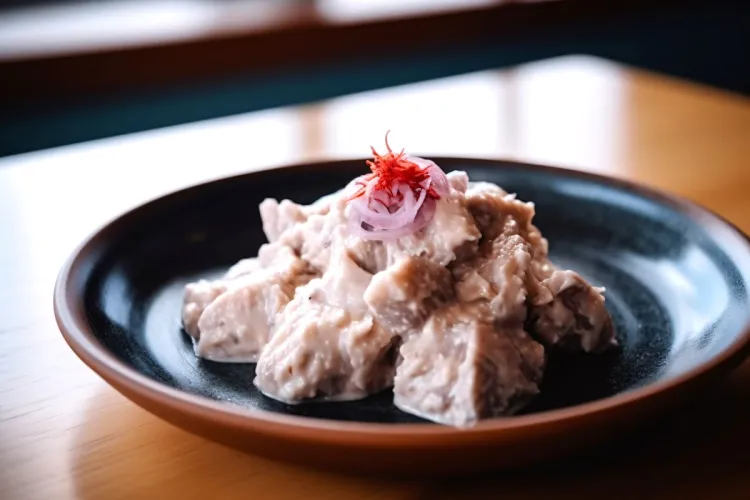
Food in Iceland, must-try dishes and culinary traditions.
Iceland's food culture is a fascinating blend of tradition and modernity, deeply rooted in the island's history and natural environment. The harsh climate and isolation have historically shaped the Icelandic diet, leading to the development of unique preservation methods and the use of local, sustainable ingredients. Traditional Icelandic foods such as fermented shark, smoked lamb, and rye bread reflect the resourcefulness and resilience of the Icelandic people. Meanwhile, modern Icelandic cuisine has embraced innovation, with chefs creatively combining fresh, local produce with global culinary techniques. From delectable seafood and tender lamb to rich dairy products and inventive desserts, Iceland's food scene offers a culinary journey that is both diverse and delicious, inviting visitors to indulge in the island's rich gastronomic heritage.
An insider´s guide
- Icelandic meal times celebrate tradition, with breakfast featuring skyr, hearty lunches like plokkfiskur, and family dinners showcasing a mix of old and modern dishes.
- Iceland’s rich culinary heritage shines through traditional seafood, unique meats, and innovative dairy products, offering a delicious glimpse into the island’s past.
- The modern Icelandic food scene thrives on sustainability and creativity, making it an exciting time for food lovers to explore local cuisine through street food and innovative dishes.
Impact of the country´s geography
Iceland’s geography and climate have played a significant role in shaping its cuisine, creating a unique culinary landscape that reflects the island’s natural environment. The country's harsh winters and volcanic terrain have historically limited agriculture, leading to a reliance on subsistence farming and the use of hardy crops such as barley and root vegetables. This has resulted in traditional dishes that make the most of these ingredients, often featuring preserved foods like dried fish and smoked lamb to endure the long, cold months.
The surrounding ocean provides an abundant source of fresh seafood, making fish a staple in the Icelandic diet. Traditional preservation methods, such as drying and smoking, have been used to create delicacies like stockfish and pickled herring, which are integral to Iceland's food culture.
Additionally, Iceland’s geothermal activity offers unique cooking methods, such as baking bread in hot springs, exemplified by the famous rúgbrauð, or rye bread. This innovative use of natural resources highlights the Icelanders' adaptability and creativity in overcoming the challenges posed by their environment.
Overall, Iceland's geography and climate have fostered a cuisine that is both resourceful and deeply connected to the land and sea, celebrating local ingredients and traditional preservation techniques that have been passed down through generations.
Food preservation methods and historical influences
The early settlers of Iceland faced an unforgiving environment, with harsh winters and limited resources necessitating innovative food preservation techniques. By mastering methods such as drying, fermenting, salting, and smoking, they were able to ensure a stable food supply throughout the long, cold months.
Drying was a common practice, particularly for fish, creating stockfish that could be stored for extended periods. This technique not only preserved the fish but also concentrated its flavors, making it a staple in the Icelandic diet. Fermentation, on the other hand, was used to transform shark meat into the infamous hákarl, a delicacy that showcased the settlers' resourcefulness in utilizing every part of their catch.
Salting was another essential preservation method, often applied to meats like lamb and fish, helping to retain their nutritional value while enhancing their taste. Smoked lamb, or hangikjöt, became a cherished traditional dish, with its rich, smoky flavor embodying the island's culinary heritage.
These preservation techniques were not merely survival strategies but also laid the foundation for Iceland's unique culinary culture. They allowed the settlers to make the most of their limited resources, turning necessity into tradition and creating a lasting legacy that continues to influence Icelandic cuisine today. The adaptation to harsh conditions through these methods highlights the resilience and ingenuity of Iceland's early inhabitants, whose practices have been passed down through generations, shaping the nation's food culture in profound ways.
The Viking legacy in Icelandic food traditions
The Viking legacy is deeply embedded in Icelandic food traditions, serving as a testament to the island's rich history and cultural heritage. The Vikings, known for their seafaring prowess and resilience, brought with them a wealth of culinary knowledge and practices that have endured through the centuries. Their influence is evident in the traditional preservation methods still used today, such as drying, fermenting, and smoking, which were essential for ensuring food supplies during long voyages and harsh winters.
Viking settlers introduced various ingredients and cooking techniques that have become staples in Icelandic cuisine. For instance, the use of hardy grains like barley and rye, which thrive in Iceland's challenging climate, can be traced back to Viking agricultural practices. Additionally, the emphasis on utilizing every part of an animal, seen in dishes like svið (sheep's head) and hákarl (fermented shark), reflects the resourcefulness and frugality that were necessary for survival in the Viking era.
The social aspect of Viking feasting is also mirrored in Icelandic dining customs, where communal meals and gatherings play a significant role in fostering a sense of community and connection. Traditional Icelandic celebrations, such as Þorrablót, a midwinter festival, pay homage to Viking heritage by featuring a spread of traditional foods that honor the island's ancestors.
Overall, the Viking legacy in Icelandic food traditions is a testament to the enduring impact of these early settlers, whose culinary practices have been passed down through generations, shaping the nation's food culture in profound ways.
Influence from trade with Denmark and Norway over the centuries
Trade with Denmark and Norway has significantly influenced Iceland's food culture, introducing new ingredients and culinary techniques that have become integral to the island's cuisine. During the centuries of trade, Icelanders were introduced to various grains, spices, and preservation methods, which enriched their traditional dishes. The exchange of goods and ideas led to the incorporation of Scandinavian flavors and cooking styles, blending them with local ingredients to create a unique fusion that defines Icelandic cuisine today.
The impact of Danish and Norwegian trade is evident in the use of rye and barley in Icelandic breads and pastries, as well as the introduction of pickling techniques that have become a staple in preserving fish and vegetables. These influences have not only diversified the Icelandic diet but also strengthened cultural ties between the nations, fostering a shared culinary heritage that continues to evolve.
Moreover, the trade routes established with Denmark and Norway facilitated the exchange of culinary knowledge and skills, allowing Icelandic chefs to experiment with new recipes and techniques. This cross-cultural interaction has paved the way for modern Icelandic cuisine, which is characterized by its innovative approach and emphasis on fresh, local ingredients.
Overall, the influence of trade with Denmark and Norway has played a crucial role in shaping Iceland's food culture, enriching its culinary traditions and contributing to the vibrant and diverse food scene that visitors and locals enjoy today.
Icelandic traditions
Iceland’s daily schedule is marked by four principal eating periods: breakfast, lunch, dinner, and supper. Each of these meals has a unique significance in the nation’s culinary heritage that mirrors Iceland’s historical background. For breakfast, a typical light fare includes skyr, a creamy product similar to yogurt, beloved for over 1,000 years. It’s fairly standard to see morning dishes enhanced with locally sourced ingredients such as berries and honey for an energizing beginning.
Come midday, Icelanders seize the chance to sit down together for heartier cuisine featuring staples like fish, lamb, and root vegetables. One may encounter plokkfiskur at this time, an appetizing fish stew blended with mashed potatoes, or kjötspa: a rich soup brimming with root veggies and succulent chunks of lamb meat that serve both as nourishment and cultural connection through its links to Icelandic tradition.
When evening arrives, bringing the most significant meal, dinner, it becomes an occasion shared among family members encompassing everything from festivity-linked smoked lamb known as hangikjöt to contemporary plates celebrating seasonal offerings. The recent surge in inventive cooking methods applied to longstanding recipes echoes the ongoing transformation within Icelandic food customs during dinnertime where everyone can enjoy exceptional dining experiences mixing past with present.
Concluding each day is supper which tends toward lighter options compared possibly involving leftover items or basic pairings such as generous servings of bread accompanied by cheese varieties—for instance rye bread local called rúgbrauð commonly served alongside smoked salmon or mutton cuts—is favored at this hour providing relaxation along with straightforward enjoyment reflecting on local produce culminating in cozy closure filled culturally enriching moments.
Key ingredients in Icelandic cuisine
Seafood, dairy products, and lamb have been staples in Icelandic food for centuries, dating back to the days of the Vikings. In fact, Icelanders are known for their love of fish and dairy.
However, more recently there has been a shift towards using traditional ingredients in new and innovative ways. Chefs across Iceland are now incorporating local herbs, berries, and wild game into their dishes, creating exciting flavors that pay homage to the country's natural landscape.
Seafood
The surrounding coastal waters of Iceland brim with marine life, which has established seafood as a fundamental element of the nation’s culinary heritage and dietary practices. For centuries, these pure oceanic regions have yielded a plentiful catch of fresh fish that has become an essential feature in the diets of Icelanders.
Seafood is a cornerstone of Icelandic cuisine, with cod, haddock, herring, and salmon being some of the most celebrated staples. These fish are cherished for their freshness and flavor, reflecting the pristine coastal waters surrounding the island. The inclusion of such diverse seafood options in Icelandic dishes showcases the nation's deep connection to the ocean and its bounty, providing an authentic glimpse into the rich tapestry of Iceland's food culture.
Meat
Icelandic cuisine is characterized by its use of free-roaming Icelandic lamb, renowned for its tender meat and rich flavor, thanks to the sheep's diet of wild herbs and grasses. Additionally, horse meat is part of the traditional Icelandic diet, offering a lean and flavorful option that reflects the island's historical reliance on local resources. Whale meat, though controversial, is another component of Iceland's culinary heritage, showcasing the country's deep connection to the sea and its bounty. These meats not only highlight Iceland's unique culinary traditions but also invite adventurous food enthusiasts to explore the diverse flavors that define Iceland's food culture.
Dairy
For centuries, Iceland has incorporated dairy products known for their rich and creamy tastes into its culinary heritage. The high quality of these dairy goods is a testament to the country’s distinctive climate and agricultural methods.
Icelandic dairy products are an integral part of the country's culinary landscape, with skyr leading the charge as a quintessential staple. Often likened to yogurt, skyr is actually a type of fresh cheese that boasts a thick, creamy texture and a slightly tangy flavor. It has been a beloved part of the Icelandic diet for over a millennium, traditionally enjoyed with berries, honey, or even as a standalone treat.
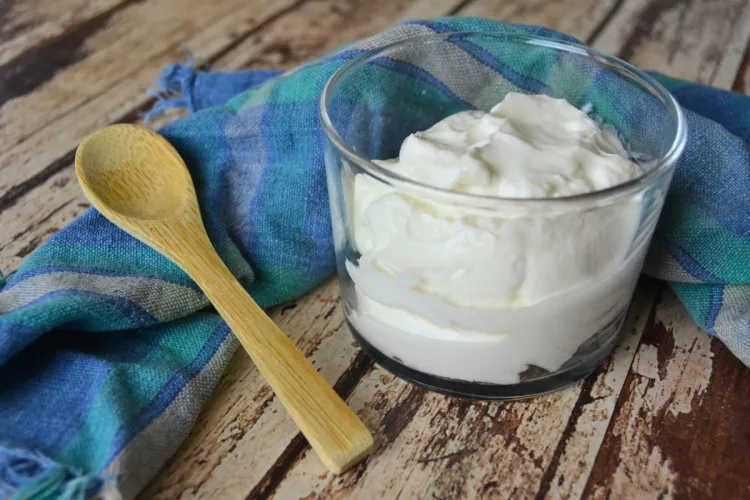
Butter in Iceland is known for its rich, creamy consistency and is often used to enhance the flavor of traditional breads and pastries. Icelandic butter is crafted from the milk of grass-fed cows, resulting in a product that is both flavorful and nutritious.
Unique cheeses also form a significant part of Iceland's dairy offerings. These include varieties that reflect the island's innovative spirit, such as smoked cheeses infused with local herbs. Icelandic cheeses are celebrated for their distinctive tastes and textures, providing a delightful addition to any meal or cheese platter.
Together, these dairy products not only highlight the country's commitment to quality and tradition but also underscore the importance of dairy in Iceland's food culture, offering a creamy and flavorful glimpse into the island's rich culinary heritage.
Vegetables and Foraged Foods
Iceland's challenging climate and harsh winters have historically limited the variety of crops that can be grown outdoors. However, the innovative use of geothermal energy has allowed for the cultivation of various vegetables in greenhouses, ensuring a steady supply of fresh produce throughout the year. These greenhouse-grown vegetables include tomatoes, cucumbers, and peppers, which have become staples in the Icelandic diet.
In addition to cultivated vegetables, Icelanders have a strong tradition of foraging for wild herbs and mushrooms, which are abundant in the island's pristine landscapes. Icelandic herbs such as angelica, thyme, and sorrel are often used to flavor traditional dishes, adding a unique touch to the local cuisine. Mushrooms, including chanterelles and porcini, are also foraged and incorporated into various recipes, providing a rich and earthy flavor.
This combination of greenhouse-grown produce and foraged foods showcases Iceland's resourcefulness and connection to nature, allowing for a diverse array of ingredients that enrich the country's culinary offerings. By integrating both cultivated and wild elements, Icelandic cuisine celebrates the island's natural bounty and the creativity of its people in overcoming environmental challenges.
Breads and Grains
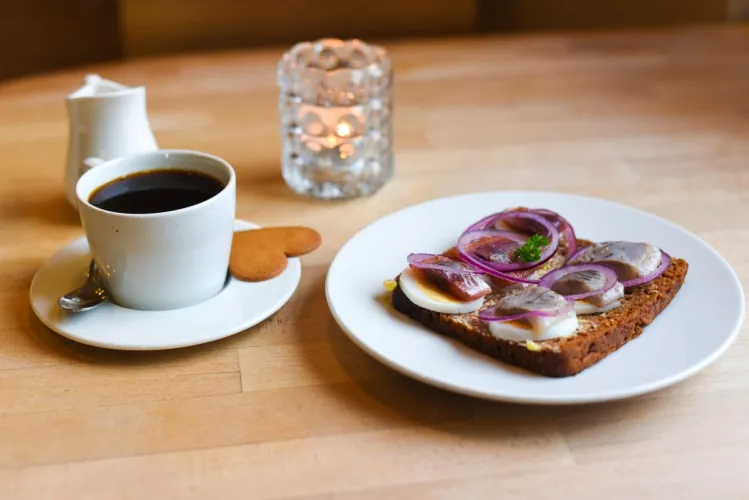
Icelandic cuisine features a variety of breads and grains that are integral to its culinary traditions, with rúgbrauð and flatkaka being among the most iconic. Rúgbrauð, a dark rye bread, is traditionally baked using geothermal heat by burying the dough in a pot near a hot spring. This unique method results in a dense, slightly sweet bread with a moist texture, often enjoyed with butter, smoked salmon, or pickled herring. Flatkaka, on the other hand, is a traditional flatbread made from rye flour and cooked on a hot griddle. Its thin, soft texture makes it a perfect accompaniment to sliced smoked lamb or as a wrap for various fillings. Both rúgbrauð and flatkaka are staples in the Icelandic diet, reflecting the island's resourcefulness and connection to its natural environment. These breads not only provide nourishment but also offer a glimpse into Iceland's historical reliance on local ingredients and innovative cooking techniques.
Traditional Icelandic dishes
The island’s history and the tenacity of its inhabitants are reflected in Iceland’s traditional dishes. These gastronomic treats, which have been handed down from one generation to the next, provide an insight into Iceland’s heritage with every mouthful, helping us understand the depth of Icelandic food culture.
Hákarl
Fermented shark, a Viking-era delicacy, is one of Iceland's most notorious traditional foods. This dish is not for the faint-hearted, as it offers a bold taste that truly captures the adventurous spirit of Icelandic gastronomy. The preparation of hákarl involves a meticulous fermentation process that transforms shark meat into a unique delicacy. Traditionally, the shark is buried underground for several months to allow it to ferment, a method that was developed by the early settlers to preserve their catch for the long, harsh winters. After fermentation, the meat is hung to dry, resulting in a strong aroma and a flavor that is both pungent and complex. Often served in small cubes, hákarl is typically enjoyed with a shot of Brennivín, Iceland's signature schnapps, to balance its intense taste. This daring dish is a testament to Iceland's historical reliance on preservation techniques and resourcefulness, offering a taste of the island's rich culinary heritage that is both challenging and rewarding for those willing to try it.
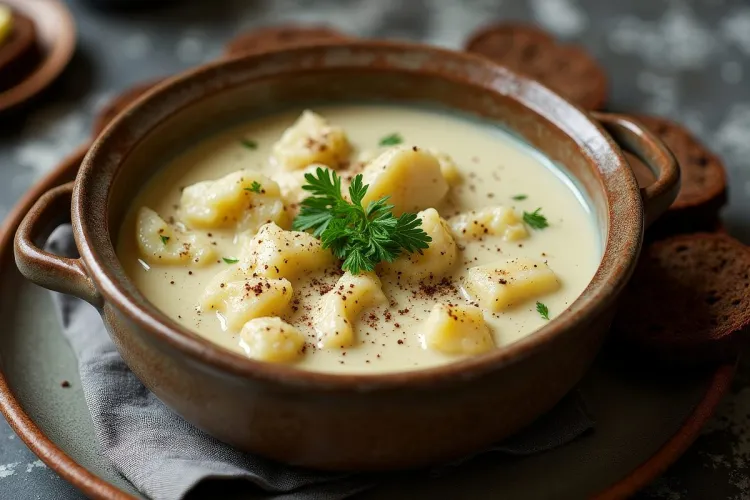
Plokkfiskur
Essentially, mashed fish stew with potatoes, plokkfiskur is a beloved traditional Icelandic dish that showcases the island's rich seafood heritage. This hearty stew is a comforting blend of fresh fish, typically cod or haddock, combined with creamy mashed potatoes and a savory béchamel sauce. The dish is often enhanced with the addition of onions and herbs, providing a depth of flavor that complements the tender fish and smooth potatoes. Plokkfiskur is a staple in Icelandic households, offering a taste of home-cooked comfort that is both nourishing and satisfying. It is traditionally served with a side of rye bread or flatkaka, allowing diners to soak up every bit of the delicious sauce. This dish not only highlights the importance of seafood in the Icelandic diet but also reflects the island's culinary traditions, where simple, wholesome ingredients are transformed into delightful meals that warm both the body and soul.
Svið
Svið, or boiled sheep's head, is a traditional Icelandic dish that may seem unusual to the uninitiated but holds a special place in the hearts of locals. This dish is a testament to the resourcefulness of Icelanders, who historically utilized every part of the animal to ensure nothing went to waste. The preparation of svið involves singeing the wool off the sheep's head, then splitting it in half and boiling it until tender. It's typically served with mashed potatoes and turnips, providing a hearty and comforting meal. The cheeks and tongue are considered delicacies, offering tender meat that is both flavorful and nutritious. Svið is often enjoyed during traditional Icelandic celebrations, such as Þorrablót, where it is part of a larger spread of local foods that honor the island's Viking heritage. For those willing to try it, svið offers a unique culinary experience that reflects Iceland's history and its deep connection to the land and its resources.
Harðfiskur
Dried fish, often eaten with butter, is a quintessential Icelandic snack that has been enjoyed for centuries. This traditional delicacy is made by drying fish, typically cod or haddock, in the cold, fresh air, which preserves the fish and intensifies its flavor. The result is a chewy, protein-rich treat that is both nutritious and satisfying. Icelanders often enjoy harðfiskur as a snack or as part of a meal, pairing it with a generous spread of butter for added richness. This combination highlights the simplicity and resourcefulness of Icelandic cuisine, where minimal ingredients are transformed into flavorful and wholesome foods. Harðfiskur is not only a nod to Iceland's maritime heritage but also a testament to the island's enduring culinary traditions. Whether you're exploring the rugged landscapes of Iceland or simply looking for a taste of its rich food culture, harðfiskur offers a unique and authentic experience that captures the essence of Icelandic gastronomy.
Hangikjöt
Smoked lamb, a holiday favorite, is a quintessential part of Iceland's festive culinary traditions. This traditional dish is typically prepared during Christmas and other special occasions, offering a taste of Iceland's rich heritage and cultural significance. Hangikjöt is made by smoking lamb over birch wood, which imparts a distinct smoky flavor that is both savory and aromatic. The lamb is then boiled and served with a variety of accompaniments, such as boiled potatoes, rúgbrauð (Icelandic rye bread), and a creamy béchamel sauce. This combination of flavors creates a harmonious balance that delights the palate and provides a comforting meal that is deeply rooted in Icelandic tradition.
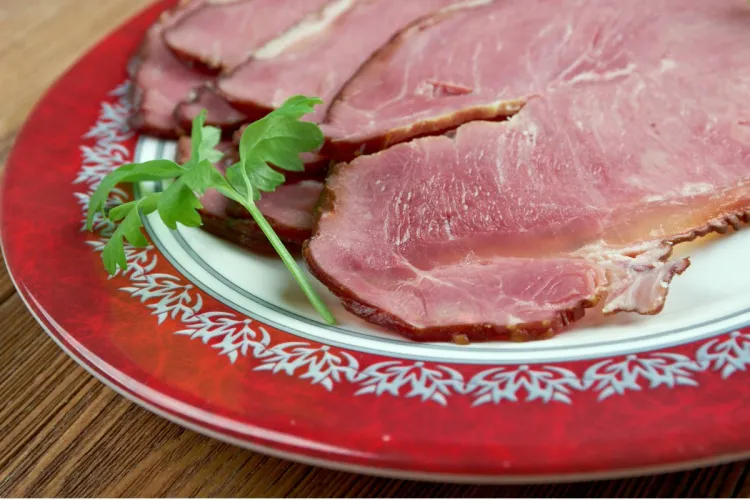
In addition to its delightful taste, hangikjöt is often enjoyed as part of a larger festive spread that includes other traditional Icelandic foods, such as laufabrauð (leaf bread) and pönnukökur (Icelandic pancakes). The dish is not only a culinary highlight but also a symbol of togetherness and celebration, bringing families and friends together to share in the joy of the season. For those visiting Iceland during the holiday season, indulging in hangikjöt offers an authentic taste of the island's culinary heritage and a memorable dining experience that reflects the warmth and hospitality of Icelandic culture.
Slátur
Slátur, a traditional Icelandic delicacy, consists of two main components: blóðmör (blood pudding) and lifrarpylsa (liver sausage). These dishes are celebrated for their rich flavors and are a testament to Iceland's resourceful use of every part of the animal. Blóðmör is made by combining sheep's blood with suet, rye flour, and oats, then seasoning with salt and spices before being encased in a sheep's stomach and boiled. This results in a savory pudding that is typically enjoyed with boiled potatoes and turnips.
Lifrarpylsa, on the other hand, is crafted from a mixture of sheep's liver, suet, and oats, seasoned similarly to blóðmör. The mixture is encased in a sheep's stomach or casing and boiled until firm. lifrarpylsa offers a distinct taste and texture, often served alongside blóðmör as part of a traditional Icelandic meal.
These dishes are a staple during Icelandic celebrations, such as Þorrablót, where they are enjoyed as part of a larger spread of traditional foods. Slátur not only highlights the ingenuity and frugality of Icelandic culinary traditions but also provides a rich, flavorful experience for those willing to explore the island's unique gastronomic offerings. The preparation and enjoyment of slátur are deeply rooted in Iceland's cultural heritage, reflecting the island's historical reliance on local resources and the importance of sustainability in its food culture.
Drinks to try in Iceland
To fully experience the culinary delights of Iceland, one must try the local drinks that are as distinctive and tasteful as its varied cuisine. This includes everything from age-old liqueurs to contemporary craft beers that reflect the island’s gastronomic diversity.
Eating in Iceland
Iceland’s food culture is a rich tapestry of tradition and innovation, offering a culinary journey that is as diverse as the island itself. From the hearty traditional dishes like fermented shark and smoked lamb to the fresh and flavorful seafood delights, Icelandic cuisine is a celebration of the island’s natural resources and cultural heritage. Street foods and dairy products provide a taste of everyday life in Iceland, while unique meats and modern creations showcase the adventurous spirit and creativity of Icelandic chefs.

As you explore the culinary delights of Iceland, you’ll discover a world of flavors that are both familiar and new. Each dish and drink tells a story of the island’s history, its people, and their connection to the land and sea. Whether you’re enjoying a traditional meal with family or savoring a modern dessert in a Reykjavik café, Icelandic cuisine offers an unforgettable experience that will leave you craving more.
Modern Icelandic Cuisine
The food scene in Iceland has experienced a revival recently, characterized by an infusion of creativity in cooking methods and prioritization of superior ingredients. Present-day Icelandic gastronomy highlights the use of fresh, seasonal products and aligns with the increasing inclination towards sustainable practices and gastronomic distinction.
What are the traditional meal times in Iceland?
In Iceland, people generally enjoy breakfast, lunch, dinner, and supper, with each meal embracing unique cultural foods.
You’ll find that these meal times create a wonderful rhythm to the day, making every dining experience special!
What is hákarl, and how is it prepared?
Hákarl is a deliciously unique fermented shark, prepared by burying it underground for months to ferment before hanging it to dry.
It’s a must-try delicacy, often enjoyed with Brennivn for a delightful culinary experience!
What makes Icelandic hot dogs unique?
Pylsa, the Icelandic variation of hot dogs, is distinct for its blend of meats: lamb, pork, and beef. These are then garnished with crunchy fried onions and a topping of sweet mustard.
The resulting mixture delivers an extraordinary taste adventure that remains memorable!
What is skyr, and how is it different from yogurt?
Skyr is a delicious, thick dairy product that’s actually a fresh cheese, distinguishing itself from yogurt by using rennet in its production.
Enjoying Iceland not only brings a taste of Iceland into your kitchen, but also packs a nutritious punch!
What are some unique meats found in Icelandic cuisine?
Icelandic cuisine features unique meats like minke whale, puffin, and horse meat, each offering a distinct taste that celebrates the country’s rich culinary heritage.
Whale and puffin meat are controversial and getting out of favor.