
Food in Hungary
Essential guide to the best food in Hungary pointing dishes, sweets and drinks you must try.
In Hungary, the food is rich and diverse world of food in Hungary. There, traditional dishes, hearty stews, and delightful desserts reflect centuries of cultural heritage. We will wander through the must-try Hungarian foods, iconic street snacks, and exquisite drinks that define the country's unique culinary landscape.
What to eat first in Hungary?
Hungarian food is hearty, paprika-rich cuisine perfectly suited for cold winters, with Budapest offering countless opportunities to sample authentic flavors. This traditional Hungarian cuisine reflects centuries of cultural influences, from nomadic Magyar roots to Ottoman and Habsburg legacy dishes.
Your essential Hungarian dishes, and drinks, to try first:
- Goulash (gulyás) - The iconic Hungarian dish, actually a soup not a stew.
- Lángos - Deep-fried flatbread, Hungary’s most famous Hungarian street food.
- Chicken paprikash (csirkepaprikás) - Creamy paprika sauce with tender chicken breast.
- Fisherman’s soup (halászlé) - Spicy fish soup with vibrant red color.
- Stuffed cabbage (töltött káposzta) - Traditional Hungarian winter comfort food.
- Lecsó - Hungarian version of ratatouille with bell peppers and tomatoes.
- Chimney cake (kürtőskalács) - Sweet dough wrapped around baking spit.
- Dobos torta - Layered sponge cake with chocolate buttercream.
- Pálinka - Strong fruit brandy, Hungary’s national spirit.
- Tokaji - Sweet dessert wine, historically called “Wine of Kings.”
Find these specialties at Budapest’s Central Market Hall (Nagycsarnok), Retro Lángos Büfé near Arany János utca metro, Paprika Vendéglő for authentic stews, and classic cafés like Gerbeaud and New York Kávéház for traditional pastries.
The best seasons for Hungarian cuisine vary: warming stews and hearty bean soup shine from October through March, while cold fruit soup and street food are perfect from May through September when fresh produce peaks.
Let us break down traditional Hungarian food into soups and stews, everyday vegetable dishes and comfort foods, budapest’s street food scene, classic desserts and pastries, plus essential Hungarian wine and spirits - giving you a complete roadmap to authentic hungarian cuisine.
A short introduction to Hungarian Food
Hungary’s continental climate and rural agricultural traditions created a cuisine built around filling, warming dishes that sustained farming communities through harsh winters. The foundation rests on pork, beef, duck, and seasonal root vegetables, with potatoes and onions appearing in countless preparations alongside preserved meats and dairy products.
Paprika transformed Hungarian food during Ottoman occupation in the 16th-17th centuries, evolving from a peasant spice into the defining flavor of Hungarian cuisine. Sweet paprika from Szeged and Kalocsa regions provides the characteristic red color and mild warmth in traditional Hungarian dishes, while hot varieties add heat to spicy fish soup and meat stew preparations. Hungarian chefs distinguish between édesnemes (noble sweet), csípős (hot), and smoked paprika varieties, each serving specific culinary purposes.
Sour cream and túró (sweet cottage cheese) represent Hungary’s pastoral dairy heritage, appearing everywhere from creamy paprika sauce to cottage cheese noodles and traditional desserts. These dairy elements balance the richness of meat dishes while adding protein to vegetable-based meals during religious fasting periods.
Traditional Hungarian meals follow a structured pattern: • Soup course (clear broth, vegetable stew, or goulash soup) • Main dish with nokedli dumplings, boiled potatoes, or potato dumplings
• Pickled vegetables (savanyúság) as acidic counterpoint • Sweet finish with layered sponge cake, cottage cheese pastries, or coffee
Foreign influences shaped modern Hungarian cuisine significantly. Ottoman rule brought stuffed cabbage, bell peppers preparations, and strudel techniques. Habsburg Austria contributed schnitzel-style preparations and elaborate torte traditions seen in Budapest’s grand cafés. Jewish-Hungarian communities added slow-braised dishes similar to cholent and complex pastries like flódni that remain budapest specialties.
While Budapest now offers vegetarian, vegan and allergy-friendly options, traditional Hungarian cuisine remains fundamentally meat-heavy and slow-cooked, designed for cold weather and physical labor that characterized rural Hungarian life for centuries.
Iconic Hungarian soups & stews
Hungary earned its reputation as a soup-loving nation, with many preparations blurring the line between soup and stew. During winter months, locals commonly eat both a soup course and a second hot main dish at lunch, creating warming, substantial midday meals that fuel afternoon activities.
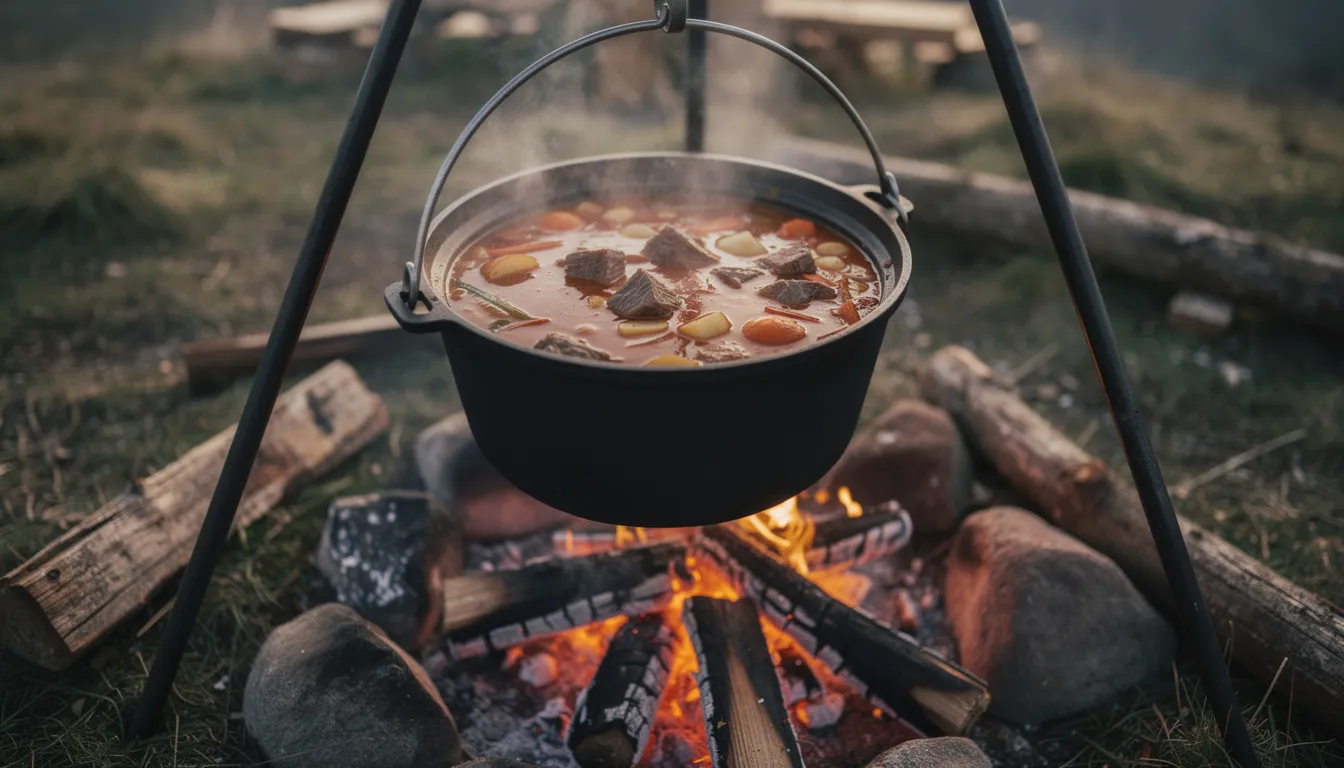
Goulash (gulyásleves) deserves deep exploration as Hungary’s most misunderstood export. Originating with 18th-19th century cattle herdsmen (gulyás) on the Great Hungarian Plain (Alföld), this dish began as dried meat rehydrated in portable cauldrons during long cattle drives. Modern goulash soup combines beef shank, slowly sautéed onions, sweet paprika, carrots, potatoes, and csipetke dumplings in a brothy consistency that distinguishes it from thicker stews. Budapest’s Gettó Gulyás and Baltazár serve exemplary versions that showcase proper technique and authentic flavors.
Understanding the difference between gulyás, pörkölt, and paprikás prevents common confusion. Gulyás remains soup-like with substantial broth, pörkölt creates thick meat stew with minimal liquid, while paprikás features meat in creamy paprika sauce finished with sour cream. Each preparation suits different meats: beef works best in gulyás and pörkölt, while chicken breast or pork excel in paprikás dishes. Game meats like venison and wild boar appear in special occasion versions.
Key stew categories include:
- Meat stew (pörkölt) - thick, brothless preparation served with potato dumplings or nokedli
- Chicken paprikash (csirkepaprikás) - tender chicken in creamy paprika sauce, always finished with sour cream
- Vadas - beef in sweet-sour root vegetables sauce, traditionally served with bread dumplings
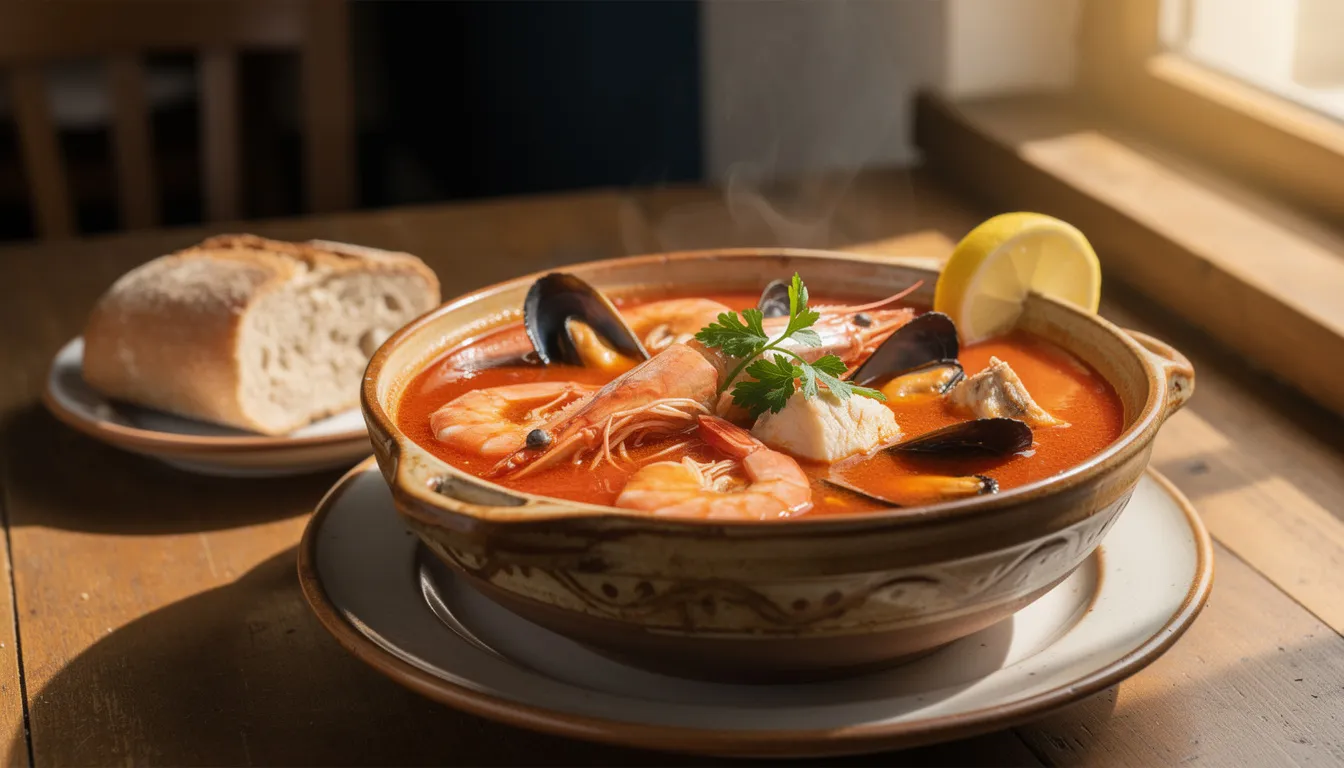
Fisherman’s soup (halászlé) represents Hungary’s freshwater fish traditions despite the landlocked geography. Regional styles from Baja and Szeged along the Danube and Tisza rivers feature carp and catfish cooked with substantial sweet paprika that creates the characteristic bright red color. This spicy fish soup requires specific technique: fish bones and heads create rich stock, while paprika must be carefully bloomed in fat without burning. Budapest’s riverside halászcsárda restaurants and establishments in Baja and Szeged serve regional variations that showcase local fish and preparation methods.c
Jókai bean soup (Jókai bableves) honors 19th-century writer Mór Jókai with this hearty bean soup combining white beans, smoked ham hock, smoked sausage, root vegetables, and sour cream finishing. This substantial soup represents Hungarian comfort food at its finest, providing complete protein and warming spices perfect for cold weather.
Adventure-seeking diners can explore traditional offal preparations like kakashere pörkölt (rooster testicles stew) and pacalpörkölt (tripe stew) at authentic establishments like Gettó Gulyás, where these traditional workers’ dishes occasionally appear as specials, connecting modern diners with Hungary’s complete culinary heritage.
Vegetable dishes, pasta & everyday comfort food
Beyond its meat-heavy reputation, traditional Hungarian cuisine includes substantial vegetable-based mains, especially főzelék (thick vegetable stews) and simple pasta dishes traditionally eaten on religious fasting days and weekday family meals. These preparations showcase Hungarian cooks’ ability to create satisfying meals from seasonal vegetables and dairy products.
Főzelék represents a uniquely Hungarian category without direct Western equivalents. These thick vegetable preparations combine green pea stew, lentil stew, spinach, cabbage, or mixed vegetables with light roux and sour cream to create substantial main dishes. Budapest’s traditional étkezde (canteens) serve főzelék as affordable lunch mains, often topped with fried eggs or Hungarian sausages for added protein. The creamy consistency and comfort food nature make főzelék popular among locals seeking warming, economical meals.
Stuffed cabbage (töltött káposzta) dominates winter celebrations, particularly Christmas Eve through New Year festivities. Fermented cabbage leaves wrap filling of ground pork, rice, sweet paprika, and seasonings, then simmer slowly in tomato-paprika sauce enriched with smoked pork. The finished dish receives generous sour cream dollops and appears on family tables December 24-26 as traditional holiday fare. This preparation requires advance planning but rewards with deep, complex flavors.
Stuffed peppers (töltött paprika) utilize Hungarian wax peppers filled with similar meat and rice mixture, cooked in rich tomato sauce during late spring through early autumn when fresh bell peppers reach peak quality. The seasonal availability makes this dish particularly special during pepper harvest months.
Rakott krumpli (layered potatoes) layers sliced potatoes with hard boiled eggs, smoked sausage (kolbász), and abundant sour cream, then bakes until golden. This hearty casserole appears in 19th-century cookbooks and remains a staple school cafeteria lunch that generations of Hungarians remember fondly. The simple ingredients create surprising richness through careful layering and slow baking.
Classic noodle preparations include:
- Nokedli - egg dumplings similar to German spätzle, served alongside stewed meat
- Cottage cheese noodles (túrós csusza) - pasta with sweet cottage cheese, sour cream, and crispy pork cracklings
- Poppy seed noodles - sweet course with ground poppy seeds and powdered sugar
- Walnut noodles - another sweet preparation featuring ground walnuts
Lecsó transforms summer’s pepper and tomato abundance into Hungary’s answer to ratatouille. Peak season runs late August through September when bell peppers and tomatoes achieve perfect ripeness. Variations include plain lecsó, lecsó with scrambled eggs, and lecsó with Hungarian sausages. Budapest’s Lecsó restaurant near Margaret Bridge specializes in this beloved vegetable stew that captures summer flavors.
Cold fruit soup (gyümölcsleves) provides refreshing relief during hot summer months. Sour cherries soup (hideg meggyleves) combines tart sour cherries with cinnamon, cloves, and sour cream, served cold from June through August when fresh cherries peak. Kispiac Bisztró exemplifies proper technique for this unique Hungarian dish that bridges soup and dessert categories.
Street food, snacks & where to eat in Budapest
Budapest’s street food renaissance in the 2010s revitalized traditional snacks like lángos and Hungarian sausages while incorporating international options, creating diverse casual dining opportunities throughout the city. This evolution connects historical market foods with modern urban eating habits.
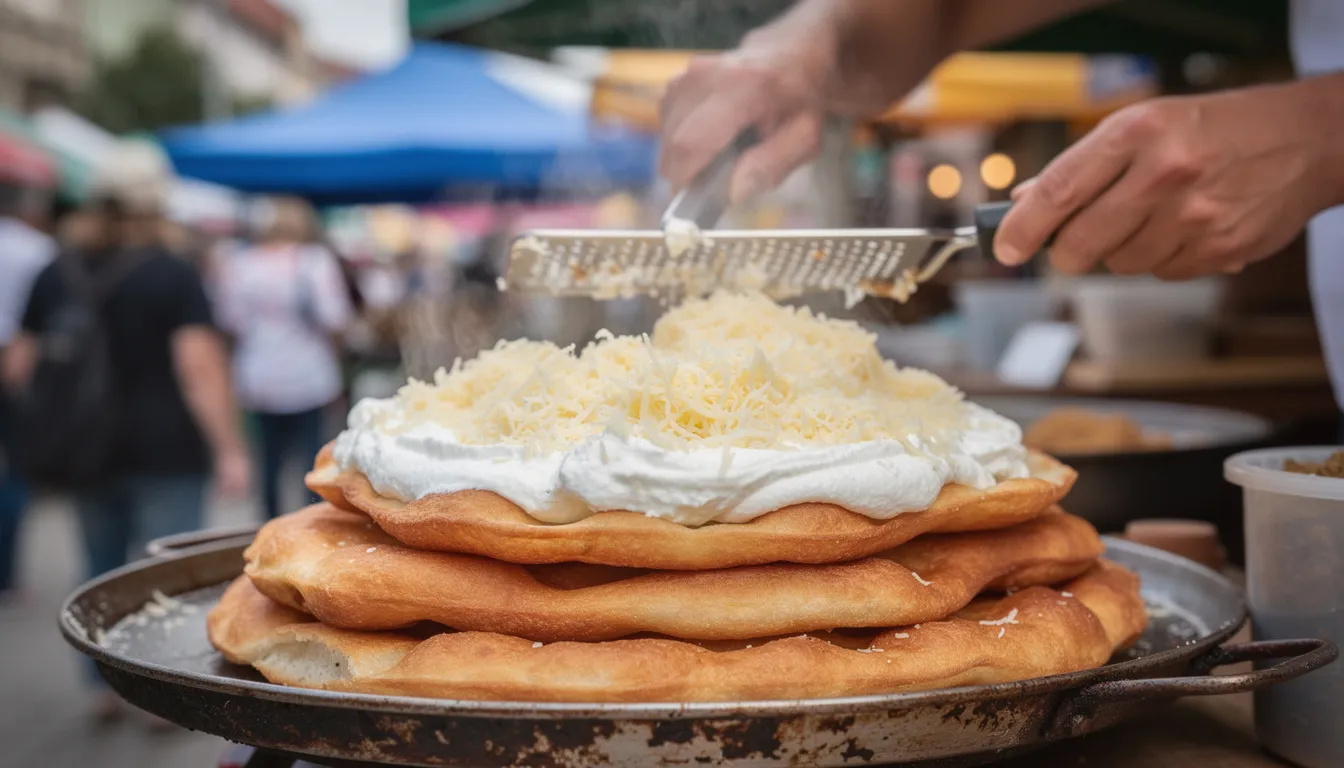
Lángos represents Hungary’s most iconic street food, featuring deep fried potato dough that achieves crispy crust outside and fluffy interior. Classic toppings include garlic oil, sour cream, and grated Trappista cheese, though creative variations now include everything from Hungarian version pizza toppings to sweet preparations. Originally a communist-era market snack sold from simple stands, lángos now appears at Central Market Hall food stalls, Retro Lángos Büfé near downtown, and festival stands at Christmas markets on Vörösmarty tér year-round.
Chimney cake (kürtőskalács) transforms sweet dough into this famous Hungarian street food by wrapping yeast dough around wooden cylinders, baking over charcoal fire, and rolling in cinnamon sugar that caramelizes into crispy exterior. Popular toppings include ground walnuts, cocoa powder, and coconut flakes. Molnár’s Kürtőskalács on Váci utca and Christmas market vendors provide authentic versions of this Transylvanian specialty that has become Budapest’s winter dessert symbol.
Hungarian sausage culture extends far beyond simple frankfurters:
- Kolbász - various regional sausages, often grilled fresh
- Véres hurka - blood sausage with rice and spices
- Májas hurka - liver sausage with traditional seasonings
- Pick szeged szalámi - Hungary’s premium dry-cured salami
Szalonna - smoked bacon roasted over open fire, eaten with bread and raw onions
Budapest Central Market Hall and Belvárosi Disznótoros offer comprehensive selections where visitors can sample multiple varieties alongside pickled vegetables and fresh bread.
Pogácsa provides Hungary’s answer to savory scones, with cheese pogácsa (sajtos pogácsa) and pork cracklings versions (tepertős pogácsa) available fresh from neighborhood bakeries (pékség). These flaky, buttery rounds make perfect breakfast-on-the-go options when grabbed warm in paper bags from local shops.
Modern street food courts and seasonal food often blend traditional Hungarian dishes with fusion innovations. Goulash burgers, pizza-topped lángos, and deconstructed Hungarian stew bowls represent creative interpretations that maintain Hungarian flavors while appealing to international palates.
Ruin bars serve simple Hungarian dishes and bar snacks during daytime and early evening hours, allowing visitors to experience casual local food in Budapest’s famous alternative venues without focusing solely on nightlife aspects.
Best Hungarian desserts & pastries
Budapest established itself as a classic café city during the late 19th century, with grand coffeehouses like Gerbeaud, New York Café, and Café Central showcasing elaborate tortes and pastries that rivaled Vienna’s finest establishments. This tradition continues today, making dessert exploration essential for understanding Hungarian cuisine.
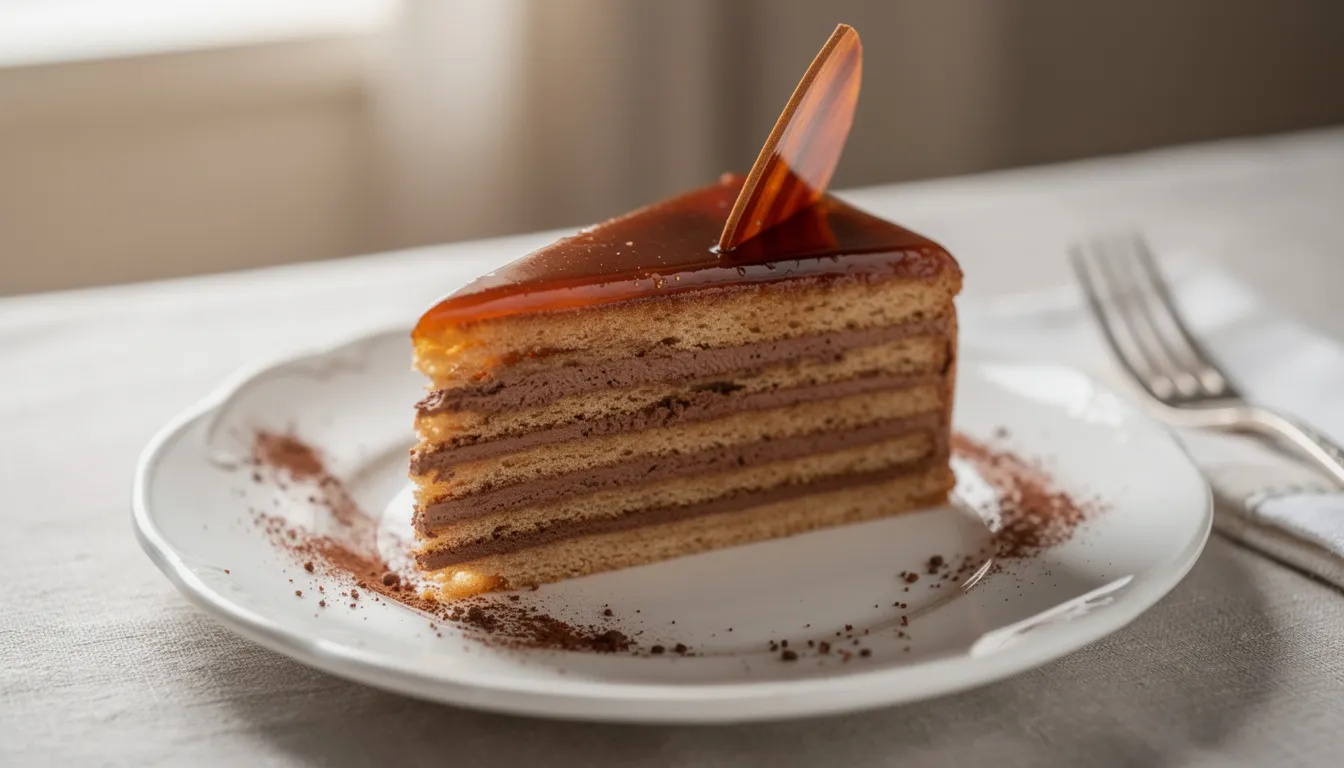
Dobos torta stands as Hungary’s most famous layered cake, invented by pastry chef József Dobos in 1884. Seven thin sponge cake layers alternate with rich chocolate buttercream, topped with signature hard caramel layer that provides textural contrast and distinctive appearance. Gerbeaud café on Vörösmarty tér and Auguszt Cukrászda maintain traditional preparation methods that honor Dobos’s original recipe while showcasing contemporary presentation techniques.
Chimney cake (kürtőskalács) deserves second mention from the dessert perspective. While traditionally a Transylvanian festive cake for special occasions, kürtőskalács has evolved into Budapest’s must-eat winter street dessert. Christmas markets at Vörösmarty tér and St. Stephen’s Basilica feature multiple vendors preparing fresh batches over glowing coals, creating irresistible aromas that draw crowds throughout cold months.
Palacsinta (Hungarian crepes) offer versatility through sweet fillings like apricot jam, ground walnuts, cocoa powder, and sweet cottage cheese. The legendary Gundel palacsinta, created at Gundel restaurant during the early 20th century, features rum-soaked walnuts and warm chocolate sauce, representing Hungarian fine dining’s dessert pinnacle. Home versions typically use simpler fillings but maintain the same delicate crepe technique.
Somlói galuska presents Hungary’s answer to English trifle, combining three different sponge cake types with ground walnuts, raisins, rum syrup, vanilla custard, chocolate sauce, and whipped cream. This complex dessert originated at the 1958 Brussels World Expo, created by Gundel’s kitchen staff to showcase Hungarian pastry sophistication. The name references Mount Somló in western Hungary, though the dessert bears no geographical connection.
Classic pastry shop offerings include:
- Esterházy torta - walnut layers with cognac buttercream and distinctive fondant top pattern
- Gerbeaud slice - apricot jam and walnut cake with chocolate glaze, named after the famous café
- Krémes - custard slice with flaky pastry and powdered sugar dusting
- Flódni - Jewish-Hungarian layered cake featuring poppy seed, walnut, apple, and plum layers
Bejgli (Christmas roll) remains a essential holiday tradition, with families baking poppy seed or walnut-filled yeasted pastries throughout December. While commercially available, homemade versions carry special significance during Christmas celebrations.
Rétes (strudel) appears year-round with apple, sour cherries, or sweet quark cheese fillings. Traditional preparation involves stretching paper-thin dough by hand, though modern bakeries and markets provide excellent versions using contemporary techniques.
Schedule afternoon cake-and-coffee breaks at historic Budapest cafés for authentic experiences. Gerbeaud (Vörösmarty tér 7-8) offers elegant Belle Époque atmosphere, while New York Café (Erzsébet körút 9-11) provides opulent Habsburg-era grandeur alongside exceptional pastries and strong espresso that exemplifies Budapest’s café culture.
Drinks in Hungary (from tokaji To pálinka)
Hungarian beverages form an integral part of the country’s food culture, ranging from mineral-rich spring waters and fruit syrups to internationally acclaimed wines and potent fruit brandies that complement the rich, paprika-heavy traditional food.
Tokaji wines represent Hungary’s greatest contribution to international viticulture, produced in the Tokaj-Hegyalja region of northeastern Hungary. Tokaji Aszú, made from Furmint and Hárslevelű grapes affected by noble rot (botrytis), creates complex dessert wines with notes of apricot, honey, and citrus. The historic nickname “Wine of Kings, King of Wines” reflects royal European courts’ appreciation for these sweet wines. Budapest tasting rooms and cellars in Tokaj town offer opportunities to sample various aszú puttonyos levels alongside drier Tokaji varieties.
Egri Bikavér (Bull’s Blood) provides Hungary’s most famous red wine blend from the Eger region. Legend connects the wine’s name to the 16th-century siege of Eger, when Hungarian defenders supposedly gained courage from drinking red wine that stained their beards, frightening Ottoman attackers who thought they drank bull’s blood. Modern Bikavér combines indigenous varieties like Kékfrankos with international grapes, creating robust reds perfect with hearty meat stews and traditional Hungarian dishes.
Pálinka stands as Hungary’s national spirit - strong fruit brandy typically reaching 40-50% alcohol content. Traditional varieties include plum (szilva), apricot (barack), pear (körte), and quince (birs) pálinka, each showcasing pure fruit flavors through careful distillation. EU protection since 2008 ensures authentic pálinka originates only from Hungarian fruit. Proper serving involves small shots before or after meals as digestifs. Budapest’s specialized pálinka bars allow responsible sampling of various regional styles and fruit types.
Unicum represents Hungary’s signature herbal liqueur, created by the Zwack family in 1790 originally for Habsburg Emperor Joseph II. This dark, intensely bitter digestif combines dozens of secret herbs in a recipe guarded for over two centuries. The distinctive flavor profile challenges newcomers but rewards persistence, functioning as traditional post-meal digestif especially after rich Hungarian cuisine. The Zwack Museum in Budapest provides historical context and tasting opportunities for serious enthusiasts.
Fröccs (wine spritzer) embodies Hungarian summer drinking culture through various wine-and-soda combinations. Classic ratios include kisfröccs (small spritzer: 1 dl Hungarian wine + 1 dl soda water), nagyfröccs (large: 2+1), and longer versions with more soda. These refreshing drinks dominate Danube-side terraces during warm months, providing social drinking that pairs perfectly with street food and casual dining while maintaining moderation.
Non-alcoholic options reflect Hungary’s natural resources and traditional preferences. Naturally sparkling mineral waters from springs at Parádsasvár and Bükkszék offer therapeutic properties alongside refreshing taste. Fruit syrups (szörp) include elderflower (bodza) harvested in late spring, plus raspberry and blackcurrant varieties mixed with sparkling water for traditional soft drinks. Budapest’s strong espresso culture, inherited from Habsburg coffeehouse traditions, provides fuel for exploring the city’s extensive local food scene.
Many Budapest food tours incorporate drink tastings, from Central Market-focused tours featuring Hungarian wine samples to evening ruin bar walks that combine traditional spirits with casual Hungarian dishes, making them efficient introductions to Hungary’s complete beverage culture in single outings.

Your Hungarian culinary journey
Hungarian food offers far more complexity than the simple “goulash and paprika” stereotype suggests. From the nomadic steppe origins visible in cauldron-cooked stews to the refined Habsburg pastries gracing Budapest cafés, traditional Hungarian cuisine tells the story of Central Europe through flavors, techniques, and ingredients that span centuries of cultural evolution.
The beauty of exploring food in Hungary lies in discovering how seemingly simple preparations - meat stew with sweet paprika, cottage cheese noodles with sour cream, or layered potatoes with hard boiled eggs - achieve remarkable depth through careful technique and quality ingredients. Whether sampling spicy fish soup along the Danube, enjoying chimney cake at Christmas markets, or experiencing the ritual of afternoon coffee with Dobos torta, each dish connects you to living traditions that continue to evolve while honoring their historical roots.
Your Hungarian culinary adventure awaits in Budapest’s markets, traditional restaurants, and historic cafés. Start with the quintessential Hungarian dish - a proper goulash soup - then work through the street food, comfort foods, and elegant desserts that showcase this remarkable cuisine’s full spectrum. Each meal reveals new layers of flavor and cultural understanding that make Hungarian cuisine one of Central Europe’s most rewarding culinary discoveries.