
Food in Bulgaria
Bulgarian food brings a complete guide to traditional Balkan cuisine.
Bulgarian food represents one of Europe’s most fascinating culinary traditions, shaped by centuries of diverse cultural influences and an abundance of fresh, local ingredients. Nestled at the crossroads between Europe and Asia, Bulgaria has developed a distinctive cuisine that reflects its complex history while maintaining its own unique character.
From the world-famous Bulgarian yogurt that revolutionized global dairy consumption to hearty meat dishes slow-cooked in traditional clay pots, Bulgarian cuisine offers a rich tapestry of flavors that will captivate any food enthusiast. This comprehensive guide will take you on a culinary journey through Bulgaria’s most beloved dishes, traditional cooking methods, and regional specialties that have been passed down through generations.
Whether you’re planning a trip to Bulgaria, looking to expand your cooking repertoire, or simply curious about this remarkable Balkan cuisine, you’ll discover everything you need to know about traditional Bulgarian foods and the cultural stories behind them.
Understanding Bulgarian cuisine: origins and influences
Bulgarian cuisine stands as a remarkable example of how geography, history, and cultural exchange create distinctive culinary traditions. Located in the heart of the Balkans, Bulgaria has absorbed influences from multiple civilizations while developing its own unique food culture that spans over 4,000 years.
The foundation of modern Bulgarian food traces back to the ancient Thracians, who established agricultural traditions around 4,000 B.C. and developed early techniques for wine and cheese production. When the Slavs arrived in the 6th century A.D., they brought bread-making traditions that remain central to Bulgarian culture, where bread accompanies almost every meal and holds deep ceremonial significance.
The most transformative period came during the Ottoman occupation from the 14th century through 1878, lasting approximately 500 years. This extensive period fundamentally reshaped Bulgarian cuisine by introducing elements from Turkish cuisine and the middle east. Ottoman rule brought dishes like baklava, rice pilaf, and the cooking techniques used for gyuvech (thick vegetable stew). The Ottomans also introduced crucial spices including paprika and cumin that became integral to Bulgarian cooking.
Through Ottoman trade networks, ingredients from the Americas reached Bulgaria, including tomatoes, red peppers, corn, potatoes, beans, and pumpkins. These New World ingredients revolutionized Bulgarian dishes and became staples in traditional recipes. Even garlic and cucumbers arrived through these cultural connections, with cucumbers originally coming from India through Ottoman trade routes.
The country’s favorable climate contributes significantly to the abundance and quality of Bulgarian ingredients. The fertile valleys produce exceptional vegetables, while the mountainous regions yield unique cheeses and yogurts. This geographical diversity allows different regions to specialize in particular ingredients, creating distinct regional variations within Bulgarian cuisine.
Modern bulgarian food demonstrates connections with neighboring cuisines, sharing dishes like moussaka with Greek traditions and various grilled meat preparations with Serbian cooking. However, Bulgarian versions often feature unique adaptations, such as the potato-based moussaka or the distinctive use of bulgarian yogurt in various preparations.
Daily meal patterns in Bulgaria
Bulgarian food culture follows distinct patterns throughout the day, with each meal serving specific purposes in the daily routine. Breakfast typically features light but satisfying options like banitsa, mekitsa (fried dough similar to donuts), or bread with lyutenitsa (red pepper spread) and bulgarian cheese. Bulgarian families often start the day with a small glass of rakia (fruit brandy) followed by coffee.
Lunch represents the main meal of the day, usually beginning with a small salad such as shopska salata, followed by soup and a substantial main course featuring grilled meat or stew. This first meal of any importance often includes bread and is accompanied by wine or beer.
Dinner tends to be lighter, though still substantial, featuring similar components to lunch but in smaller portions. Bulgarians traditionally end their evening meals with dessert and coffee, creating a leisurely dining experience that emphasizes family time and conversation.
Signature ingredients in Bulgarian cooking
The distinctive character of bulgarian cuisine stems from several key ingredients that appear consistently across traditional recipes. These signature elements create the flavor profiles that define authentic bulgarian food and distinguish it from other Balkan cuisines.
Dairy products
Bulgarian yogurt stands as the country’s most famous culinary export, with scientific recognition dating to 1905 when Dr. Stamen Grigorov identified the unique Lactobacillus bulgaricus strain. This specific bacteria creates yogurt with distinct taste and health properties that contributed to Bulgaria achieving Europe’s longest lifespan in 1907. The global yogurt industry, worth approximately $113 billion in 2019, owes its existence to this Bulgarian innovation.
Bulgarian yogurt differs from other varieties in its consistency, being thinner than Greek yogurt but richer in beneficial bacteria. Bulgarian families use yogurt in countless ways: mixed with garlic for meat accompaniments, combined with cucumbers for cold soup, or served plain as a side dish. The cultural significance extends beyond nutrition, with yogurt representing national identity and traditional values.
Sirene cheese forms the foundation of numerous bulgarian dishes. This white cheese, stored in brine, provides a saltier, more crumbly texture than greek feta. Sirene appears in banitsa, tops shopska salad, and accompanies bread at almost every meal. Regional variations exist, with mountain areas producing particularly rich versions using sheep or goat milk.
Bulgarian cuisine also features yellow cheese (kashkaval), a hard cheese similar to cheddar, and various other regional specialties. Salty cheese preparations include aged sirene and mountain cheeses that develop complex flavors through traditional aging processes in caves and cellars.
Vegetables and seasonings
Red peppers dominate Bulgarian vegetable gardens and kitchens, appearing fresh in summer salads and preserved as lyutenitsa for winter consumption. These sweet peppers, roasted over open flames, develop complex smoky flavors that define many bulgarian dishes. Families spend late summer days preparing vast quantities of roasted peppers for preservation.
Tomatoes arrived in Bulgaria through Ottoman trade networks and quickly became essential to the cuisine. Bulgarian varieties tend to be particularly flavorful, with some heirloom types producing exceptionally sweet, aromatic fruits perfect for fresh consumption and cooking. Tomato sauce appears in various forms, from simple preparations to complex lyutenitsa blends.
Fresh herbs play crucial roles in Bulgarian cooking, with dill, parsley, spearmint, and summer savory appearing in most traditional recipes. These herbs grow abundantly in Bulgaria’s favorable climate and are used both fresh and dried. Dill particularly defines Bulgarian taste preferences, appearing in everything from salads to soups.
Garlic provides another cornerstone ingredient, used generously in most savory dishes. Bulgarian garlic varieties are known for their intense flavor and medicinal properties. Combined with vinegar and sunflower oil, garlic creates the basic flavor foundation for many traditional preparations.
Preserved vegetables maintain importance due to Bulgaria’s seasonal climate patterns. Traditional methods include pickling, drying, and fermenting, allowing families to enjoy summer’s abundance throughout winter months.
Essential Bulgarian dishes you must try
Bulgarian cuisine features numerous iconic dishes that define the country’s culinary identity. These traditional bulgarian foods showcase the perfect balance of fresh ingredients, time-honored cooking techniques, and cultural influences that make bulgarian dishes so distinctive.
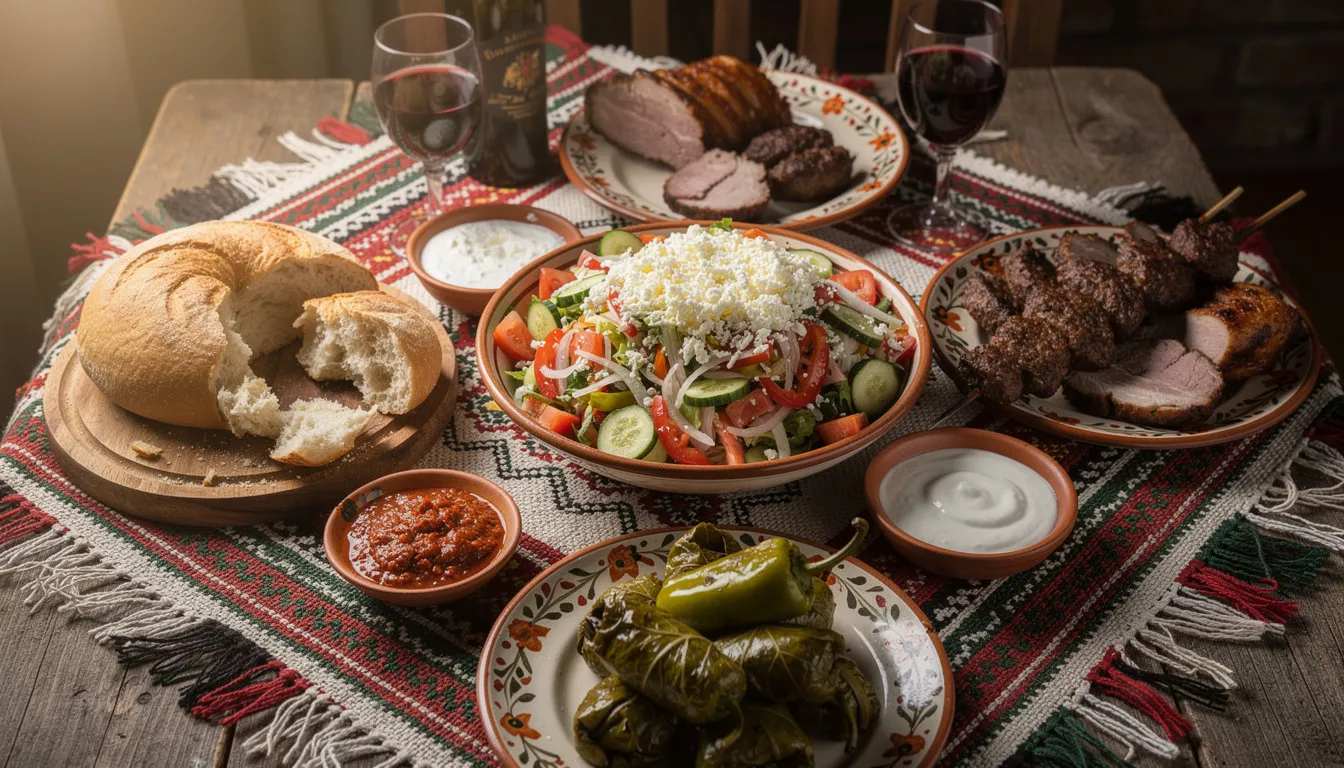
Shopska salad (shopska salata) stands as Bulgaria’s unofficial national dish, though it originated during the communist era rather than ancient times. This refreshing salad combines diced cucumbers, tomatoes, onions, and red peppers, topped generously with crumbled sirene (bulgarian cheese similar to greek feta). Served as a starter with almost every meal, this cold soup of vegetables provides a perfect introduction to Bulgarian flavors.
Banitsa represents the quintessential comfort food and appears on breakfast tables across Bulgaria. This flaky pastry made with filo dough comes in numerous variations, from the classic cheese-filled version using sirene to sweet varieties with pumpkin or apples. Bulgarian families traditionally prepare banitsa for special celebrations, and artisan shops throughout Sofia have elevated this humble pastry to an art form.
Bulgarian moussaka differs significantly from its Greek counterpart by using potatoes instead of aubergines as the base layer. Layers of minced meat (typically pork or beef) alternate with sliced potatoes, topped with a mixture of bulgarian yogurt and eggs that creates a golden, creamy finish when baked. This hearty dish demonstrates how neighboring cuisines adapt shared recipes to local preferences.
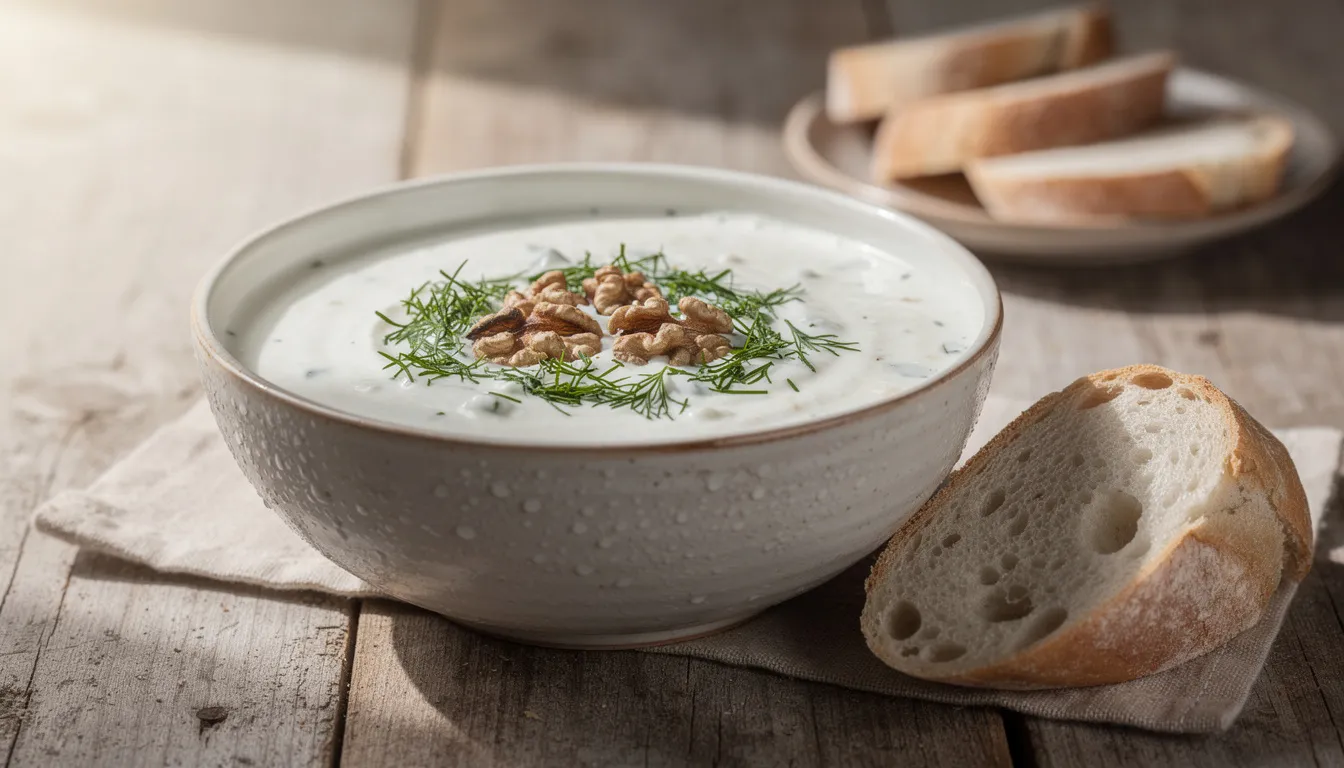
Tarator provides the perfect remedy for Bulgaria’s hot summer days. This cold soup combines bulgarian yogurt with diced cucumbers, garlic, walnuts, dill, and a splash of vinegar and sunflower oil. More than just a refreshing meal, tarator connects Bulgarians to their cultural roots and represents one of the most beloved traditional dishes in the country.
Sarmi showcases Bulgaria’s mastery of stuffed vegetables. These parcels of cabbage leaves or grape leaves contain a mixture of minced meat and rice, seasoned with fresh herbs and spices. During winter months, families prepare sarmi using preserved cabbage leaves, while summer versions often feature fresh grape leaves. The dish requires patience and skill, making it a centerpiece for family gatherings.
Bulgarian daily meal traditions
Breakfast
Bulgarian breakfast culture emphasizes hearty, satisfying foods that provide energy for the day ahead. Traditional morning meals center around several key items that have remained popular for generations, each reflecting different aspects of Bulgarian culinary heritage.
Banitsa dominates Bulgarian breakfast tables, with numerous regional variations and filling options. The classic cheese banitsa uses fresh sirene mixed with eggs, while sweet versions might contain pumpkin, apples, or honey. Families often prepare large trays on weekends, enjoying the pastry warm from the oven alongside coffee or tea.
Mekitsa provides another beloved breakfast option, consisting of fried dough that dates back to the 5th century. The name derives from the Slavic word “mek” meaning “soft,” and the tradition of sharing mekitsa with grandparents remains central to Bulgarian family culture. These golden, pillowy pastries are typically served with honey, jam, or bulgarian cheese.
Popara offers a simple but comforting breakfast dish made from bread soaked in warm milk or water, often mixed with bulgarian cheese or honey. This economical meal sustained Bulgarian families through difficult periods and remains popular for its simplicity and nutritional value.
Lyutenitsa serves as Bulgaria’s answer to tomato sauce, though much more complex in flavor. This thick spread combines roasted red peppers, tomatoes, onions, and garlic with various spices. Bulgarians spread lyutenitsa on bread or use it as a condiment with eggs, creating a flavorful start to the day.

The role of bulgarian yogurt in daily meals cannot be overstated. Known scientifically for containing Lactobacillus bulgaricus, this thick, tangy yogurt appears at breakfast mixed with honey or jam, as a side dish with savory foods, or incorporated into cooking. Bulgarian families consume yogurt daily, often multiple times per day.
Sirene cheese similarly appears at almost every meal, from breakfast spreads to dinner accompaniments. This salty cheese differs from greek feta in texture and flavor, offering a distinctly Bulgarian taste that complements both sweet and savory dishes.
Traditional meal structure begins with a small glass of rakia, Bulgaria’s national fruit brandy, which serves as an appetite stimulant. Salads follow, providing fresh vegetables and a light start to heavier courses. This pattern reflects the Bulgarian philosophy of gradually building meal intensity while ensuring proper digestion.
Regional breakfast variations exist throughout Bulgaria, with coastal areas incorporating more seafood elements and mountain regions emphasizing dairy products and preserved meats. Northern Bulgaria tends toward heartier breakfasts with more meat components, while southern regions often feature lighter, vegetable-heavy morning meals.
Bulgarian soups and cold dishes
Bulgarian soup traditions encompass both refreshing cold preparations perfect for summer heat and warming broths essential for winter comfort. These dishes demonstrate the cuisine’s adaptability to seasonal changes while maintaining distinctive flavor profiles that set them apart from other European soup traditions.
Tarator represents Bulgaria’s most iconic cold soup, providing relief during scorching summer days. This refreshing combination of bulgarian yogurt, diced cucumbers, crushed garlic, chopped walnuts, fresh dill, and a drizzle of sunflower oil creates a perfect balance of cooling ingredients. Each family maintains its own tarator recipe, with variations in garlic intensity, walnut quantity, and herb combinations. The soup connects deeply to Bulgarian identity, representing more than mere sustenance.
Shkembe chorba holds special significance as Bulgaria’s premier hangover remedy and comfort food. This traditional tripe soup, made from cleaned beef stomach lining, garlic, vinegar, and spices, requires hours of preparation but delivers powerful restorative effects. Bulgarian men traditionally consume shkembe chorba after heavy drinking sessions, though the dish also appears at family celebrations and special occasions.
Seasonal hot soups showcase regional ingredients and cooking traditions. Vegetable soups feature whatever grows locally and seasonally, from spring greens to autumn squashes. These preparations often begin with a base of onions and garlic sautéed in sunflower oil, followed by seasonal vegetables, herbs, and sometimes meat or beans for protein.
Bean soups provide hearty winter sustenance, often prepared in large batches for multiple meals. Bulgarian white beans, particularly prized varieties, create rich, satisfying soups when combined with vegetables, herbs, and sometimes smoked meats. These protein-rich preparations sustained Bulgarian families through harsh winters.
Chicken soup follows traditional European patterns but incorporates distinctly Bulgarian elements like fresh herbs, egg-lemon finishing, or yogurt additions. Bulgarian families prepare chicken soup for illness recovery and special occasions, considering it both nutritious and spiritually comforting.
Regional variations exist throughout the country. Northern regions favor heartier soups with more meat content, while southern areas often emphasize vegetables and lighter broths. Coastal regions incorporate seafood when available, creating unique fusion preparations that blend land and sea ingredients.
Cold vegetable soups beyond tarator include cucumber-based preparations and mixed vegetable combinations served chilled during peak summer heat. These dishes demonstrate Bulgarian creativity in making simple ingredients delicious and refreshing.
Meat dishes and grilled specialties
Bulgarian meat traditions reflect both the country’s pastoral heritage and the influence of various cultural groups that shaped the cuisine over centuries. The approach to meat preparation emphasizes slow cooking methods, aromatic spice combinations, and traditional vessels that enhance flavor development.
Meshana skara (mixed grill) represents the quintessential Bulgarian barbecue experience, featuring an assortment of grilled meats that showcase different preparation techniques and flavor profiles. This impressive platter typically includes kebapche (seasoned ground meat formed into sausage shapes), kyufte (spiced meatballs), pork steaks, and various sausages. Each component receives distinct seasoning blends, often including cumin, which adds an exotic note to the grilled meat selections.
Bulgarian grilling traditions emphasize proper meat preparation and cooking techniques. Kebapche requires a specific blend of pork and beef, seasoned with cumin, black pepper, and sometimes garlic, then formed into elongated shapes and grilled over high heat. Kyufte combines similar ingredients but forms into round meatballs, often incorporating bread crumbs or rice for texture. These grilled meat specialties appear at celebrations, restaurant meals, and casual family gatherings.
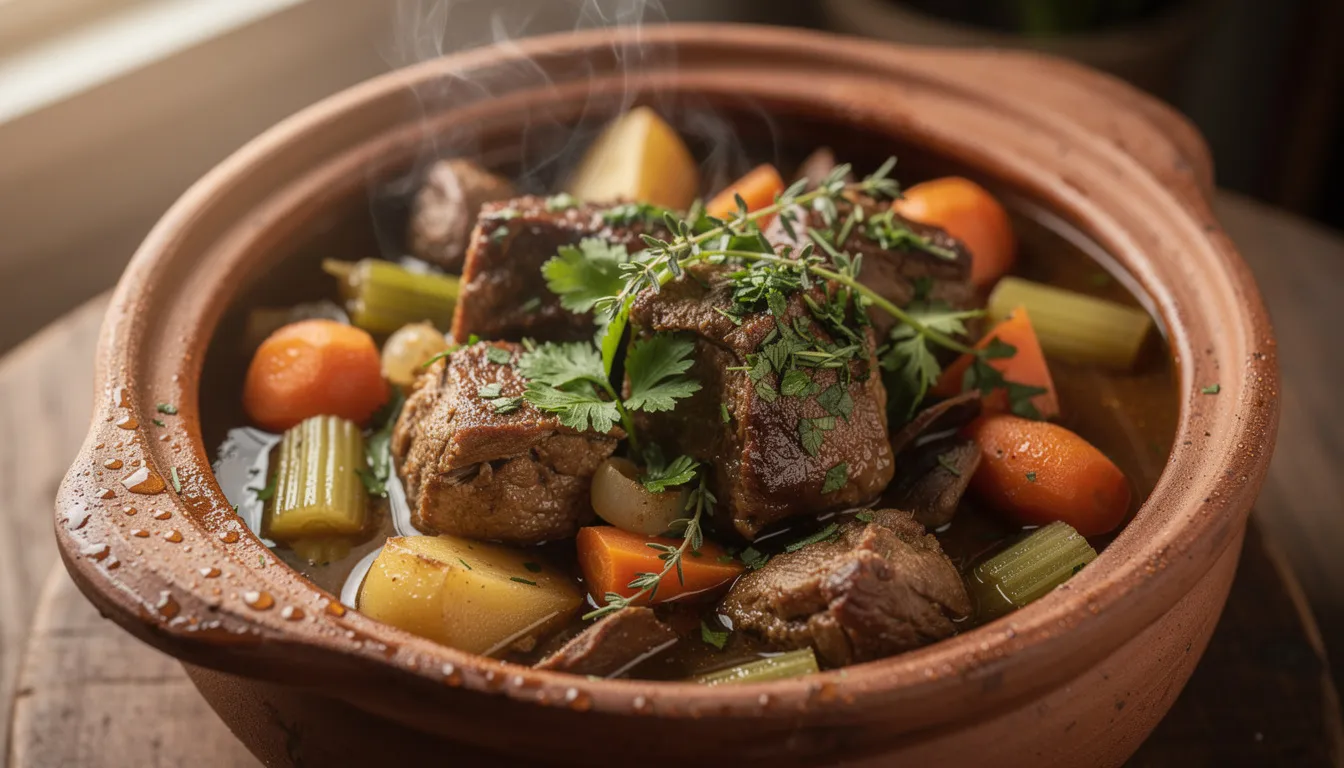
Kavarma exemplifies Bulgaria’s mastery of slow-cooked meat dishes. This hearty stew combines chunks of pork meat or beef with vegetables like peppers, tomatoes, onions, and mushrooms, seasoned with paprika, cumin, and fresh herbs. Traditional preparation occurs in clay pots that distribute heat evenly and impart subtle earthy flavors to the dish. Kavarma requires patience, with ingredients added in specific sequences to build complex flavors through extended cooking.
Sach dishes utilize traditional clay vessels that both cook and serve the food. These wide, shallow pans concentrate flavors while allowing ingredients to caramelize slightly. Popular sach preparations include mixed vegetables with meat, eggs with vegetables, and various regional combinations. The clay pot cooking method connects modern Bulgarian cuisine to ancient traditions while producing distinctly flavorful results.
Bulgarian meat preparations often incorporate cumin more extensively than other European cuisines, reflecting Ottoman influences that remain embedded in traditional recipes. This spice appears in meatballs, grilled meats, and stewed dishes, providing warmth and complexity that distinguishes Bulgarian flavors.
Pork steaks receive special treatment in Bulgarian cooking, often marinated in combinations of wine, garlic, and herbs before grilling or pan-frying. Bulgarian families frequently prepare large pork steaks for weekend meals, serving them with fried potatoes, salads, and bread.
Regional meat specialties reflect local preferences and available ingredients. Mountain areas favor lamb and goat preparations, while plains regions emphasize pork and beef. Each region maintains distinct spice combinations and cooking methods that create recognizable local variations.
Bulgarian pastries and desserts
Bulgarian pastry traditions blend Slavic techniques with Ottoman influences, creating a diverse range of sweet and savory baked goods that appear throughout daily meals and special celebrations. These preparations demonstrate the evolution of bulgarian cuisine through cultural exchange and adaptation.
Banitsa varieties extend far beyond the basic cheese version, encompassing numerous sweet and savory options that showcase Bulgarian creativity. Sweet banitsa might contain apples, pumpkin, or sweet cheese mixtures, often served as dessert or special occasion treats. Spinach banitsa provides a savory alternative, while meat versions create substantial meals. The filo dough preparation requires skill, with experienced cooks creating paper-thin layers that produce the characteristic flaky texture.
Turkish-influenced desserts reflect the Ottoman period’s lasting impact on Bulgarian sweets. Baklava appears in Bulgarian versions that often incorporate local nuts and honey varieties. The preparation follows traditional Middle Eastern methods but uses ingredients readily available in Bulgaria, creating subtle flavor differences from other regional versions.
Halva production centers in specific Bulgarian towns, with Yablanitsa and Haskovo famous for their distinct varieties. These dense, sweet confections combine sesame paste (tahini) with sugar or honey, often incorporating nuts or dried fruits. Different regions maintain secret recipes passed through generations, creating halva with unique textures and flavors.
Kozunak represents Bulgaria’s Easter bread tradition, a rich, sweet bread enhanced with eggs, butter, and aromatic spices. Families prepare kozunak during Holy Week, with elaborate braiding patterns and decorative elements that demonstrate both culinary skill and religious devotion. This holiday bread requires multiple rising periods and careful technique to achieve the proper texture and flavor.
Honey cookies (medeni kurabii) appear during winter holidays and special celebrations. These spiced cookies combine honey with flour, eggs, and warming spices, often shaped into decorative forms. Each family maintains preferred spice combinations, typically including cinnamon, cloves, and sometimes ginger.

Regional pastry specialties reflect local ingredients and preferences. Mountain areas might emphasize dairy-rich pastries, while grain-growing regions focus on bread and cookie traditions. Coastal areas sometimes incorporate maritime elements into their sweet preparations.
Modern Bulgarian desserts blend traditional techniques with contemporary influences. Urban bakeries create innovative interpretations of classic pastries while maintaining connection to traditional flavors and methods.
Traditional Bulgarian drinks
Bulgarian beverage traditions encompass both alcoholic and non-alcoholic options that complement the cuisine while serving important social and cultural functions. These drinks reflect the country’s agricultural heritage and provide insight into Bulgarian hospitality customs.
Rakia stands as Bulgaria’s national spirit, a fruit brandy that appears at virtually every social occasion. Traditional rakia production uses plums, grapes, apricots, or pears, with each fruit creating distinct flavor profiles. The distillation process requires skill and patience, with master distillers maintaining family recipes passed through generations. Rakia serves multiple purposes: as an appetite stimulant before meals, a digestive aid after eating, and a social lubricant during celebrations.
Different rakia varieties reflect regional specialties and seasonal fruit availability. Plum rakia (slivova) provides the most common type, while grape rakia (grozdova) offers wine-like complexity. Apricot and pear versions create more delicate flavors preferred by some drinkers. High-quality rakia requires proper aging and careful production methods that distinguish artisanal versions from mass-produced alternatives.
Wine production in Bulgaria traces back to Thracian traditions dating to 4,000 B.C., making it one of the world’s oldest wine-making regions. Modern Bulgarian wines include both international grape varieties and indigenous types that produce unique flavors. Wine regions throughout the country specialize in different styles, from light whites to robust reds that pair excellently with traditional bulgarian food.
Ayran represents a fermented beverage made from bulgarian yogurt mixed with water and salt. This refreshing drink provides probiotics and cooling effects, making it particularly popular during hot weather. Bulgarian families often prepare ayran at home, adjusting salt levels and consistency to personal preferences.

Non-alcoholic traditional beverages include various herbal teas made from wild plants gathered in Bulgarian mountains. These teas serve both refreshment and medicinal purposes, with different herbs addressing specific health concerns or seasonal needs.
Holiday and ceremonial drinks follow specific traditions tied to religious and cultural celebrations. New Year’s Eve traditionally features special wines and rakia preparations, while religious holidays might emphasize particular beverage types that align with fasting or celebration requirements.
Regional specialties across Bulgaria
Bulgaria’s diverse geography creates distinct regional cuisines that reflect local ingredients, climatic conditions, and cultural influences. These variations demonstrate how traditional bulgarian cuisine adapts to different environments while maintaining core flavor principles.
Rhodope Mountains cuisine emphasizes hearty dishes suited to mountain climate and pastoral lifestyle. Cheverme represents a signature dish featuring slow-roasted lamb or goat prepared over open fire for special celebrations. This preparation requires entire communities working together, reflecting the social importance of food preparation in mountain culture. Rhodope specialties also include unique cheese varieties aged in mountain caves and wild herb preparations unavailable in lowland areas.
Mountain regions excel in dairy production, creating distinctive cheeses that incorporate local grasses and herbs consumed by grazing animals. These environmental factors produce milk with unique flavor profiles that translate into exceptional cheese varieties. Preserved meat preparations also characterize mountain cuisine, with techniques developed to extend protein availability through harsh winters.
Sofia and central Bulgaria traditional foods reflect the capital’s role as a cultural crossroads while maintaining connection to surrounding agricultural areas. Central region specialties include particular preparation methods for common dishes and access to diverse ingredients from multiple climatic zones. Urban influences create more sophisticated versions of traditional dishes, while nearby farms provide exceptional fresh ingredients.
Northern versus southern Bulgarian cooking demonstrates significant differences in ingredient preferences, spice usage, and preparation methods. Northern regions favor heartier dishes with more meat content and warming spices, while southern areas emphasize vegetables, lighter preparations, and Mediterranean influences. These differences reflect both climate variations and historical cultural influences from neighboring countries.
Northern Bulgaria’s proximity to the Danube River creates access to freshwater fish and different agricultural conditions than southern regions. Southern areas near Greece and Turkey show more pronounced Mediterranean and Middle Eastern influences in their spice usage and cooking techniques.

Seasonal and holiday food traditions vary by region based on local agricultural cycles and cultural emphases. Mountain areas might celebrate harvest festivals with different timing and focus than coastal regions. Religious observances also vary in their food traditions, with some regions maintaining stricter fasting practices while others emphasize particular celebratory foods.
Best restaurants in each region specialize in local ingredients and traditional preparation methods, offering visitors authentic experiences of regional variations. These establishments often maintain recipes unchanged for generations while sourcing ingredients from local producers who follow traditional methods.
Regional wine and rakia production creates additional variations, with each area developing specialties based on local fruit varieties and production traditions. These beverages complement regional cuisine perfectly, having evolved together over centuries.
Black Sea seafood and coastal cuisine
Bulgaria’s Black Sea coastline provides access to fresh seafood that creates a distinct coastal cuisine different from the country’s inland meat-focused traditions. This maritime influence introduces lighter dishes and different cooking methods while maintaining Bulgarian flavor principles.
The Black Sea yields various fish species that appear regularly in coastal bulgarian dishes. Fresh fish preparations include sea bass, mackerel, turbot, and anchovy, often grilled simply with olive oil, lemon, and herbs. Bulgarian coastal restaurants specialize in fish that’s caught daily, ensuring optimal freshness and flavor.
Mussels from the Black Sea are particularly prized for their sweet flavor and tender texture. Bulgarian preparations often involve steaming with white wine, garlic, and parsley, or incorporating them into rice dishes similar to paella. These shellfish appear seasonally when harvesting conditions are optimal.
Sea snails represent a unique Black Sea delicacy that requires special preparation techniques. Bulgarian coastal communities have developed methods for cleaning and cooking these mollusks that eliminate any unpleasant textures while preserving their distinctive marine flavors.
Shrimp and squid preparations follow Mediterranean influences but incorporate Bulgarian herbs and spices. Grilled squid with garlic and dill creates a popular appetizer, while shrimp might be incorporated into salads or rice dishes.
Coastal cooking styles differ between northern and southern Black Sea regions. Northern areas tend toward simpler preparations that highlight natural seafood flavors, while southern coastal cuisine incorporates more spices and complex seasoning combinations.
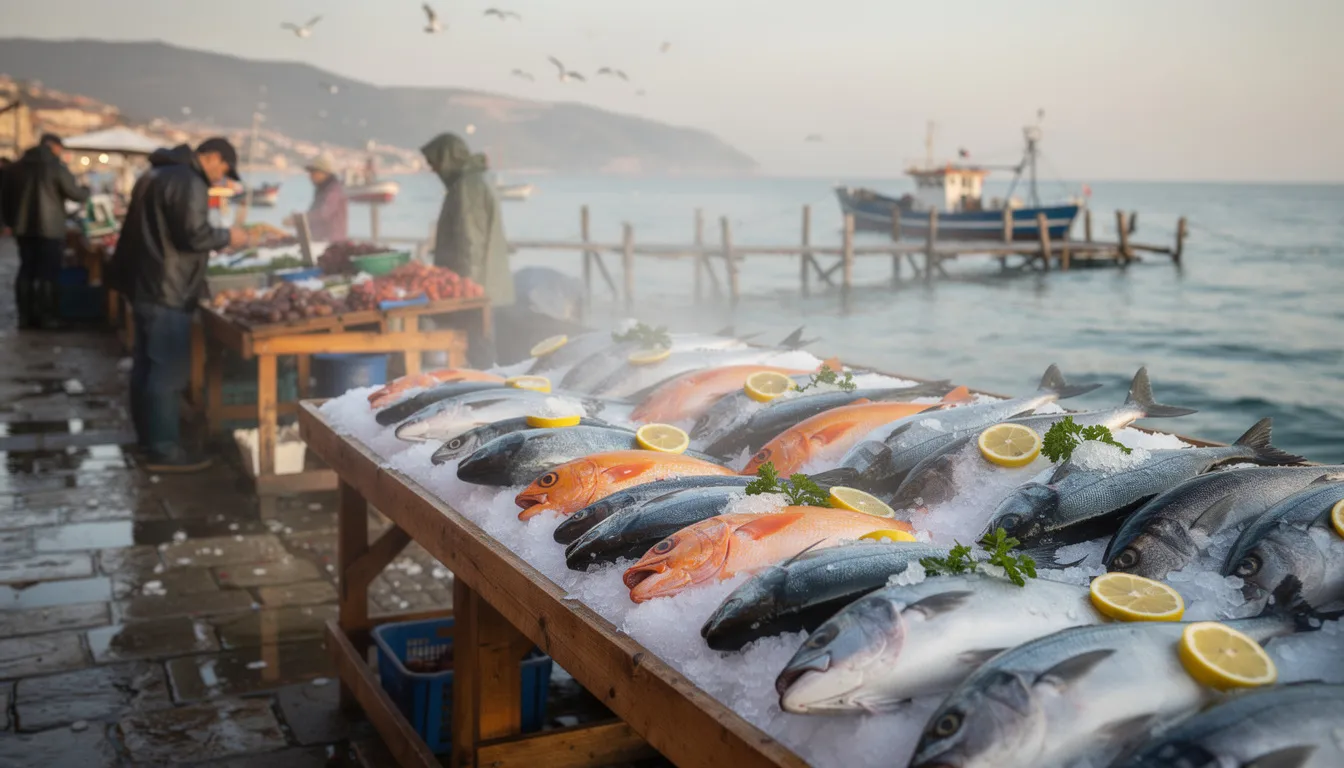
Seasonal availability affects coastal menus significantly, with certain fish species appearing only during specific months. Bulgarian coastal restaurants adapt their offerings based on daily catches rather than maintaining static menus, ensuring optimal freshness.
The combination of seafood with traditional Bulgarian ingredients creates unique fusion dishes. Fish might be served with tarator-style sauces, or seafood could be incorporated into traditional stews with vegetables and herbs.
Bulgarian holiday foods and traditions
Bulgarian holiday food traditions weave together Orthodox Christian customs, ancient pagan celebrations, and seasonal agricultural cycles. These special occasion dishes connect families to cultural heritage while creating shared experiences that strengthen community bonds.
Christmas Eve follows strict vegetarian traditions requiring meatless meals that still provide satisfaction and celebration. Families prepare elaborate spreads featuring stuffed red peppers filled with rice, nuts, and vegetables instead of the usual minced meat versions. Stuffed peppers become centerpiece dishes, often accompanied by stuffed cabbage leaves prepared with similar vegetarian fillings.
Traditional Christmas Eve meals include twelve different dishes representing the twelve apostles, requiring careful planning and preparation. Families avoid dairy products and meat, focusing on vegetables, grains, legumes, and fish when available. This fasting tradition creates unique versions of everyday dishes adapted for religious requirements.
New Year’s Eve emphasizes cabbage dishes and customs designed to bring prosperity and good fortune. Cabbage leaves appear in various preparations, from traditional sarmi to special New Year versions with coins hidden inside for luck. The first meal of the new year traditionally includes particular foods believed to ensure abundance throughout the coming year.
Nikulden (St. Nicholas Day) traditions center on fish preparations, as this winter celebration honors the patron saint of fishermen. Families prepare elaborate fish dishes even in inland areas, with carp being particularly traditional. This celebration creates one of the few occasions when fish becomes central to Bulgarian meals outside coastal regions.
Gergyovden (St. George’s Day) in spring celebrates with roast lamb preparations that welcome warmer weather and new agricultural cycles. This holiday emphasizes outdoor cooking and community celebrations, with whole lambs roasted over open fires in communal settings.

Orthodox Easter brings the most elaborate food traditions, with families preparing special breads, decorated eggs, and breaking Lenten fasting restrictions with rich, meat-heavy meals. Kozunak bread preparation begins days in advance, while families prepare lamb dishes and other celebratory foods that mark the end of the fasting period.
Seasonal celebrations align with agricultural cycles, creating food traditions that connect Bulgarian families to their rural heritage even in urban settings. Spring celebrations emphasize fresh vegetables and new growth, summer festivals feature abundant fresh produce, autumn observances celebrate harvest abundance, and winter traditions provide comfort during harsh weather.
Regional variations in holiday traditions reflect local customs and available ingredients. Mountain areas might emphasize different foods than coastal regions, while urban celebrations adapt traditional requirements to modern living situations.
Conclusion
Bulgarian food represents a remarkable culinary journey through centuries of cultural evolution, geographical influences, and agricultural abundance. From the ancient Thracians who first cultivated wine and cheese to the Ottoman influences that introduced exotic spices and cooking techniques, bulgarian cuisine tells the story of a nation shaped by diverse civilizations while maintaining its distinctive character.
The signature elements that define bulgarian dishes - the world-famous yogurt with its unique Lactobacillus bulgaricus, the fresh vegetables grown in favorable climate conditions, the aromatic herbs and spices, and the traditional cooking methods using clay pots - combine to create a cuisine that’s both accessible and deeply satisfying. Whether you’re enjoying a refreshing bowl of tarator on a hot day, savoring the complex flavors of gyuvech slow-cooked in traditional vessels, or breaking bread with Bulgarian families over shopska salad and grilled meat, you’re participating in traditions that connect to the very roots of Bulgarian identity.
The regional diversity across Bulgaria ensures that food enthusiasts will discover new flavors and preparations wherever they travel in the country. From the Rhodope Mountains’ hearty pastoral dishes to the Black Sea coast’s fresh seafood preparations, from Sofia’s evolving urban food scene to the preserved traditions of rural villages, bulgarian cuisine offers endless exploration opportunities.
As Bulgaria continues to evolve in the modern world, its food traditions provide an anchor to cultural heritage while adapting to contemporary tastes and global influences. The best restaurants throughout Bulgaria now blend traditional techniques with innovative approaches, ensuring that this remarkable cuisine will continue to develop while honoring its rich past.
For food lovers seeking authentic experiences, Bulgaria offers not just delicious meals but insight into a culture where food serves as the foundation for family bonds, community celebrations, and national identity. Every dish tells a story, every meal creates connections, and every bite reveals the passion and history that make bulgarian cuisine truly extraordinary.