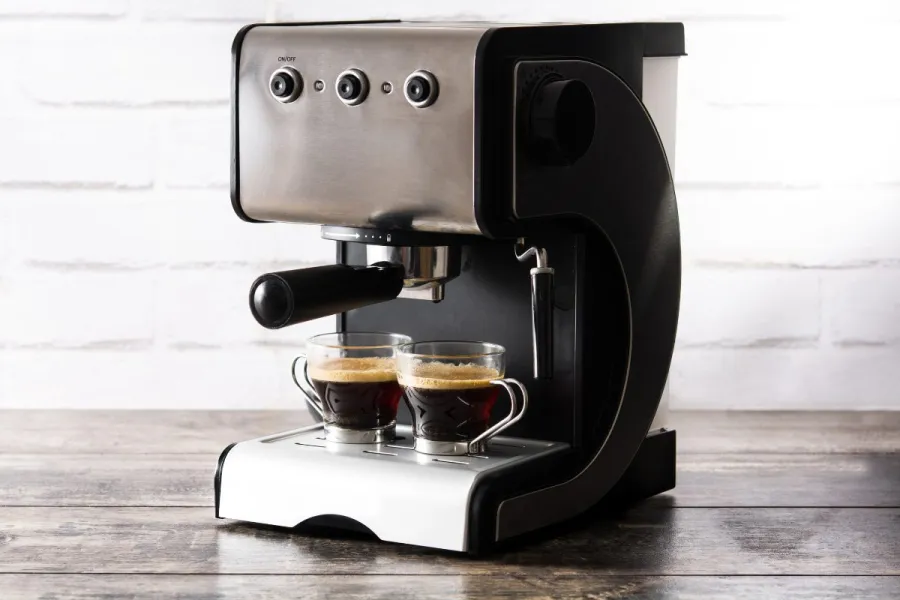
Home espresso machines represent the pinnacle of coffee brewing technology, using high pressure to force hot water through finely ground coffee in approximately 25-30 seconds. This intense extraction process creates espresso, a concentrated, complex coffee base that forms the foundation for cappuccinos, lattes, and countless other specialty drinks. While espresso machines require a larger investment and steeper learning curve than other brewing methods, they offer unmatched versatility and the ability to recreate authentic café experiences at home.
True espresso brewing relies on precise control of multiple variables: grind size, dose, water temperature, pressure, and extraction time. When these elements align perfectly, espresso delivers incredible complexity, rich crema, balanced sweetness and acidity, and intense flavors that change and evolve as you drink. The concentrated nature of espresso means that both excellent technique and quality beans are essential for outstanding results.
Modern home espresso machines range from semi-automatic models that require manual control to super-automatic systems that handle grinding, dosing, and milk steaming automatically. Each style offers different advantages depending on your skill level, time commitment, and desire for control over the brewing process.
Understanding espresso extraction and technique
Espresso extraction is governed by precise parameters that distinguish it from other brewing methods. The ideal shot uses 18-20 grams of finely ground coffee, extracted with 9 bars of pressure using 195-205°F water, producing 36-40 grams of liquid espresso in 25-30 seconds. These specific parameters create the perfect balance of extraction, avoiding both sour under-extraction and bitter over-extraction.
Grind size proves absolutely critical for espresso success. The coffee must be ground fine enough to create sufficient resistance for proper pressure buildup, but not so fine that water cannot pass through. Most home grinders struggle with espresso consistency, making a quality burr grinder one of the most important investments for serious espresso enthusiasts.
Dosing and distribution require careful attention to detail. After grinding, the coffee must be evenly distributed in the portafilter basket, then tamped with consistent pressure—typically 30 pounds of force. Uneven distribution or tamping creates channeling, where water finds the path of least resistance and extracts unevenly, resulting in sour and bitter flavors simultaneously.
Timing your extraction helps gauge whether your grind size and dose are correct. If the shot pulls too quickly (under 20 seconds), the grind needs to be finer or the dose increased. If extraction takes longer than 35 seconds, coarsen the grind slightly or reduce the dose. These adjustments require patience and practice, but they're essential for consistent results.
Espresso machine types and features
Semi-automatic espresso machines offer the best balance of control and convenience for most home users. These machines heat water and generate pressure automatically, but allow manual control over grinding, dosing, and extraction timing. Popular models like the Breville Barista Express include built-in grinders, while others like the Gaggia Classic Pro focus on brewing excellence and require separate grinders.
Automatic machines take control one step further by managing extraction timing based on volumetric measurements. You set the desired shot volume, and the machine stops extraction automatically. This reduces variables and can improve consistency, especially for beginners still learning to judge extraction by sight and taste.
Super-automatic machines handle every aspect of espresso preparation, from grinding beans to frothing milk. While convenient, these machines offer less control and typically produce lower-quality espresso than manual or semi-automatic alternatives. They work best for users who prioritize convenience over ultimate quality.
Key features to consider include PID temperature control for consistent water temperature, pre-infusion capabilities that saturate grounds before full pressure extraction, and dual boilers that allow simultaneous brewing and milk steaming. While these features increase cost, they significantly improve espresso quality and workflow efficiency.