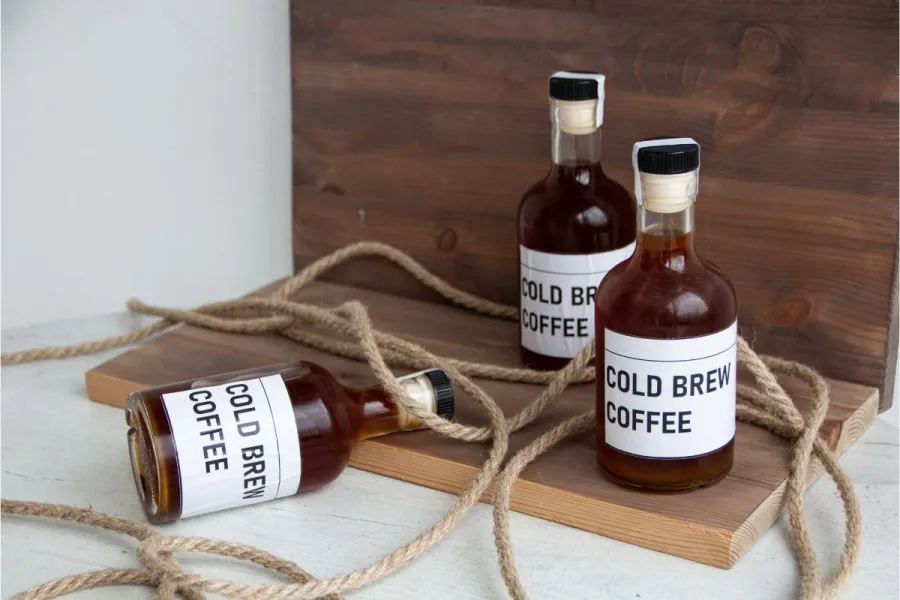
Cold brew coffee offers a completely different approach to extraction, using time instead of heat to draw flavors from coffee grounds. This method produces a smooth, naturally sweet concentrate that's perfect for those who find traditional coffee too acidic or bitter.
Cold brew brewing process
Cold brew relies on steeping coarsely ground coffee in cold or room-temperature water for 12-24 hours. The standard ratio is 1:4 for concentrate (1 part coffee to 4 parts water), though you can adjust based on preference. After steeping, the mixture is filtered to remove all grounds, leaving behind a smooth concentrate.
You can make cold brew with basic equipment—a large jar, cheesecloth, and patience. However, dedicated cold brew makers with built-in filters simplify the process and produce cleaner results.
Best beans for cold brew
Cold brew's extended extraction time works beautifully with medium to dark roast coffees, which provide rich, chocolatey, and nutty flavors without excessive acidity. Ethiopian and Colombian beans offer excellent complexity, while Brazilian coffees provide smooth, balanced profiles perfect for cold brew.
Single-origin beans can create interesting cold brew profiles, but blends often provide more consistent results. Avoid very light roasts, as they may produce sour, under-developed flavors in cold brew.
Cold brew tips and suggestions
Grind your coffee as coarsely as possible—think breadcrumbs or coarse sea salt. Fine grinds will over-extract and create muddy, bitter cold brew. Start with a 12-hour steep time and adjust based on taste preferences; longer steeping creates stronger concentrate but can introduce bitterness.
Store your cold brew concentrate in the refrigerator for up to two weeks. When serving, dilute the concentrate with equal parts water, milk, or your preferred liquid. Cold brew concentrate also works excellently in coffee cocktails and dessert recipes.