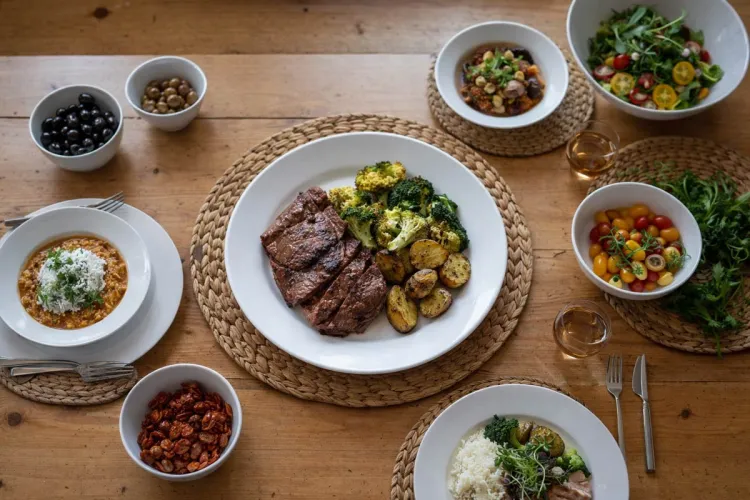
The rhythm of our meals is deeply tied to the movement of the planet. Long before modern grocery stores offered every ingredient year-round, human populations relied entirely on the solar cycle to determine what they ate and when. The solstices mark the extreme points of this journey, celebrating the absolute longest and shortest days of the year. These astronomical events have shaped culinary traditions across the globe for centuries.
By observing how the sun influences our agricultural harvests and seasonal cravings, you will gain a deeper appreciation for the foods on your plate. You will also uncover new, globally inspired ways to bring seasonal wellness into your own kitchen. Understanding these ancient rhythms allows us to connect with different cultures, improve our sustainability efforts, and simply enjoy food at its peak flavor.
The science of the solstice and seasonal harvests
Earth's axis of rotation is tilted at 23.5 degrees, a seemingly small angle that completely drives our agricultural calendar. According to the National Oceanic and Atmospheric Administration, this tilt means different parts of the globe receive varying amounts of direct sunlight as the planet orbits the sun. When the sun is positioned directly over the Tropic of Cancer or the Tropic of Capricorn, we experience a solstice.
The summer solstice brings the maximum hours of daylight to one hemisphere, creating the perfect conditions for crops to undergo rapid, sustained photosynthesis. The winter solstice brings the longest night, signaling plant life to go dormant and conserve energy. This solar cycle naturally dictates what farmers can grow and harvest. Extended summer daylight yields fast-growing, water-rich crops like vibrant tomatoes, sweet berries, and tender leafy greens. Winter conditions favor slow-growing, energy-dense foods that mature safely underground, protected from the frost.
Our bodies have adapted to this agricultural rhythm over millennia. We naturally crave hydrating, cooling foods during the peak of summer heat. When the cold sets in, our biological cues push us toward calorie-dense, warming meals that provide sustained energy to survive the darker, freezing months.
Northern hemisphere winter: Hearty roots and preserved meats
Winter in the northern hemisphere forces a culinary shift toward survival, sustenance, and comfort. Historically, the winter solstice marked a critical turning point for communities. People needed to ensure their food stores would last until the spring thaw arrived. This basic necessity gave rise to the rich, complex tradition of food preservation that still influences our cooking today.
Before the invention of modern refrigeration, late autumn was the traditional time for harvesting the last of the crops and preparing meats for the long freeze. Root vegetables like carrots, potatoes, turnips, and beets became dietary staples because they could survive in cold, dark root cellars for months without spoiling. Cooks turned to smoking, curing, and fermenting to preserve proteins and vegetables. Fresh cabbage was fermented into sharp sauerkraut, while fish and pork were heavily salted and smoked over wood fires.
Heavy stews and slowly braised meats became the standard evening meal, filling homes with warmth and rich aromas. These hearty dishes provided the essential calories needed to maintain body heat during freezing temperatures. Even today, a steaming bowl of beef stew or a tray of roasted winter root vegetables feels incredibly comforting on a dark, snowy evening. We continue to seek out these deep, complex flavors because they satisfy a very primal need for warmth and security.
Southern hemisphere summer: Sun-drenched coastal dining
While the north bundles up against the snow, the southern hemisphere celebrates the December solstice with vibrant, sun-drenched feasts. In places like South Africa, the summer solstice coincides with the festive holiday season, leading to a completely different set of culinary traditions. Here, the warm weather brings people outdoors, shifting the focus from the indoor hearth to the open grill and the breezy coastline.
The South African "braai" is a fundamental cornerstone of summer dining. Friends and families gather around open wood fires to grill marinated meats, spiced sausages known as boerewors, and fresh seafood caught right off the coast. The abundance of summer sunshine also means the dining tables are loaded with fresh, hydrating produce. Crisp salads, sweet corn on the cob, and ripe summer fruits provide a refreshing balance to the smoky, savory flavors of the grill.
Eating outdoors in the warm air creates a lively, communal atmosphere. The food is bright, colorful, and heavily reliant on the immediate bounty of the local environment. A chilled glass of crisp South African Chenin Blanc perfectly complements the heat of the sun and the rich flavors of the roasted meats, making these summer solstice meals an absolute joy for food lovers.
Global traditions: Swedish midsummer and East Asian winter festivals
Different cultures have developed unique, beautiful ways to honor the sun's extreme turning points. In Sweden, the summer solstice is celebrated with the Midsummer festival, a holiday second only to Christmas in cultural importance. Swedes gather in the countryside to enjoy the seemingly endless daylight. A traditional Midsummer lunch features a massive smörgåsbord of seasonal delights.
Tables are filled with various types of pickled herring, fresh new potatoes boiled with sprigs of dill, and beautifully cured gravlax. The meal always concludes with a magnificent strawberry and cream cake, celebrating the short but incredibly sweet Scandinavian berry season. Adults toast the season with shots of herb-infused aquavit, happily singing traditional drinking songs.
On the opposite end of the solar spectrum, East Asian cultures embrace the winter solstice with deeply warming, health-focused traditions. In Japan, the winter solstice is known as Toji. People take hot baths infused with floating yuzu fruit, relying on the essential oils to ward off winter colds and soothe dry skin. They eat kabocha squash, a nutrient-dense Japanese pumpkin that provides essential vitamins during the cold season.
In China, the Dongzhi festival celebrates the return of longer daylight hours. Families gather to eat tangyuan, which are sweet, glutinous rice balls served in a warm, comforting broth. The round shape of the tangyuan symbolizes family unity and completeness, offering a sense of hope and togetherness during the darkest time of the year.
Recipe spotlight
To help you celebrate the solar cycle in your own kitchen, here is a comforting recipe inspired by the Japanese winter solstice tradition of Toji. This classic dish uses kabocha squash, an ingredient deeply tied to seasonal wellness.
The summer solstice brings the longest day of the year and a wonderful excuse to gather outside with friends and family. Across Nordic countries, Midsummer is a deeply rooted celebration of light, nature, and fresh food. We love channeling that joyful energy into our own kitchens and backyards. This bright, vibrant grilled salmon dish captures the essence of those sun-drenched festivals.
Both recipes yield four servings.
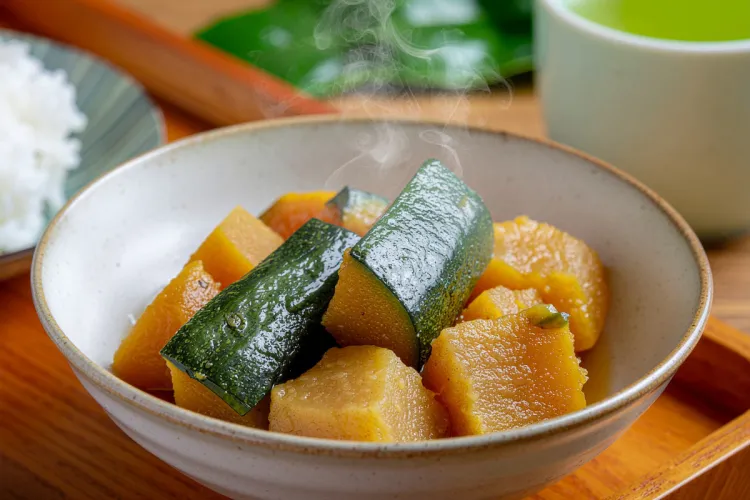
Simmered Japanese winter squash
Simmered kabocha squash, known as kabocha no nimono in Japan, is a savory and slightly sweet side dish. The squash is slowly simmered in a rich, umami-packed broth of dashi, soy sauce, and mirin until it becomes incredibly tender. It is the perfect warming dish for a dark winter evening and pairs wonderfully with a warm cup of green tea or a light, dry sake.
Ingredients
1/2 medium kabocha squash (about 1.5 pounds)
1 cup dashi (Japanese soup stock)
2 tablespoons soy sauce
2 tablespoons mirin (sweet cooking rice wine)
1 tablespoon granulated sugar
1 tablespoon sake
Instructions
- Scoop out the seeds and stringy pulp from the center of the kabocha squash using a sturdy metal spoon.
- Cut the squash into manageable 2-inch chunks. You can leave the skin on, as it is completely edible and highly nutritious.
- Shave off the sharp corners of the squash pieces with a small knife. This traditional technique prevents the pieces from breaking apart while simmering.
- Place the squash pieces skin-side down in a single layer in a medium-sized saucepan.
- Pour the dashi, soy sauce, mirin, sugar, and sake directly over the squash.
- Bring the liquid to a gentle boil over medium heat.
- Reduce the heat to low. Cover the pan with a drop lid or a piece of parchment paper cut to fit the inside of the pot.
- Simmer gently for 15 to 20 minutes, or until a fork easily pierces the thickest part of the squash flesh.
- Turn off the heat and let the squash sit in the warm cooking liquid for 10 minutes to absorb the flavors before serving.
Notes
Select a kabocha squash that feels heavy for its size and has a deep, vibrant green rind. If the squash is too tough to cut safely, microwave it whole for two minutes to slightly soften the skin. This simple trick will make slicing much safer and easier.
Variations
If you prefer a richer flavor profile, you can brown a small amount of ground pork or chicken in the pan before adding the liquids and the squash. Vegetarians can easily swap traditional bonito dashi for a kombu (kelp) or shiitake mushroom dashi to keep the dish entirely plant-based.
Background and history
Eating kabocha on the winter solstice is a longstanding Japanese custom with highly practical roots. Historically, fresh vegetables were extremely scarce during the harsh winter months. Kabocha was highly valued because it could be stored in cool, dark places for long periods without spoiling. It provided local communities with a vital source of vitamins to help fight off winter colds and nourish the body until spring returned.
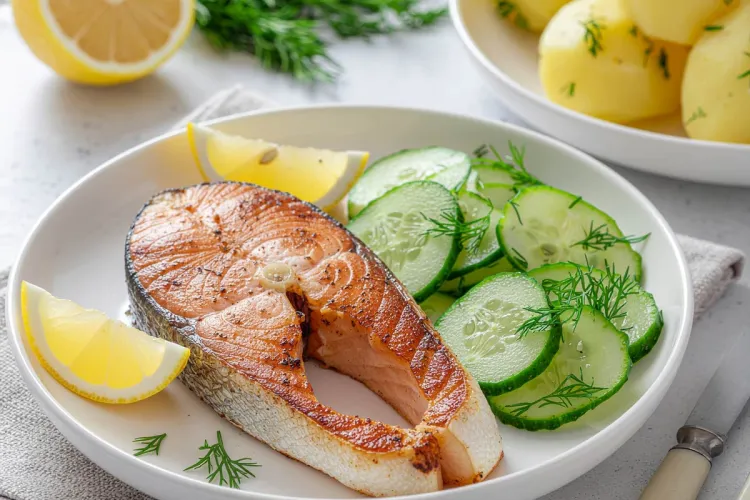
Midsummer grilled salmon with cucumber dill salad
You will pair smoky, tender grilled salmon with a crisp, cooling cucumber and dill salad. The contrast between the rich fish and the tangy, herbaceous crunch of the vegetables is truly special. It requires minimal time at the grill, allowing you to spend more time soaking up the warm evening sun.
Ingredients
For the salmon
- 4 salmon fillets (about 6 ounces each)
- 2 tablespoons olive oil
- 1 teaspoon kosher salt
- 1/2 teaspoon freshly ground black pepper
- 1 lemon, cut into wedges
For the cucumber dill salad
- 2 large English cucumbers, thinly sliced
- 1/4 cup fresh dill, finely chopped
- 3 tablespoons white wine vinegar
- 1 tablespoon sugar
- 1/2 teaspoon mustard seeds
- 1/4 teaspoon salt
Instructions
- Place the thinly sliced cucumbers in a large serving bowl. In a small jar, mix the white wine vinegar, sugar, mustard seeds, and salt. Stir well until the sugar dissolves completely. Pour this dressing over the cucumbers, add the fresh dill, and toss everything together gently. Let the bowl sit in the fridge while you prepare the fish. This resting time lets the flavors blend beautifully.
- Preheat your outdoor grill or an indoor grill pan to medium-high heat. You want a hot surface to get those lovely grill marks without drying out the fish.
- Pat the salmon fillets dry with a paper towel. This step helps the fish brown instead of steam. Brush both sides of each fillet with olive oil, then season evenly with salt and black pepper.
- Place the salmon flesh-side down on the hot grill. Let it cook undisturbed for about 4 to 5 minutes. Carefully flip the fillets using a thin spatula. Cook for another 3 to 4 minutes on the skin side, until the flesh flakes easily with a fork.
- Transfer the hot grilled salmon to individual plates. Squeeze a wedge of fresh lemon over each fillet. Serve the chilled cucumber dill salad right alongside the fish.
Notes
For a truly traditional Nordic feast, boil a batch of small new potatoes. Toss them with a little butter and extra dill to serve on the side.
Flake the leftover cooked salmon over a bed of mixed greens and top with the pickled cucumbers for a fast, delicious lunch the next day.
Variations
Try a mustard sauce by whisking together Dijon mustard, honey, and a splash of apple cider vinegar to drizzle over the salmon.
If you do not have dill, fresh parsley or tarragon make wonderful substitutes in the cucumber salad.
If you prefer not to grill, you can roast the salmon in an oven set to 400°F (200°C) for about 12 minutes.
Embracing the solar rhythm for culinary wellness
Aligning your diet with the sun's natural cycles offers a wonderful way to improve your overall culinary wellness. When you choose foods that are naturally in season, you are consuming ingredients at their absolute peak of flavor and nutritional value. You are also supporting more sustainable agricultural practices by reducing the demand for energy-intensive, out-of-season farming and long-distance shipping.
Take time to observe how your own cravings shift as the days grow longer or shorter. Allow the summer sun to inspire vibrant, fresh salads and joyful outdoor gatherings with your community. When the winter shadows lengthen, embrace the opportunity to slow down, simmer a rich stew, and find comfort in the warmth of your kitchen. By letting the sun guide your dining habits, every meal becomes a celebration of the planet's beautiful, continuous journey.