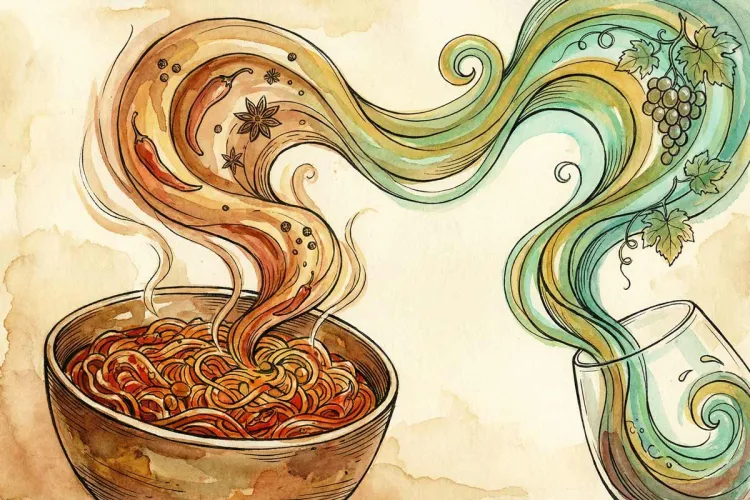
For decades, the standard advice for dining at an Asian restaurant was simple: order a beer. While a crisp lager certainly hits the spot alongside a spicy curry or a plate of dumplings, the world of wine offers a complexity that can elevate these cuisines to entirely new heights.
We are seeing a massive shift in culinary circles. Somms and home cooks alike are realizing that the aromatic intensity, vibrant acidity, and diverse sweetness levels of wine can complement the bold flavors found in Asian cooking better than almost any other beverage. It is a thrilling time to be an adventurous eater and drinker.
If you have ever felt intimidated by the wine list at your favorite Thai spot or wondered what bottle to open for homemade sushi night, you are not alone. The sheer variety of ingredients in Asian cuisine—from lemongrass and galangal to soy sauce and Sichuan peppercorns—can make pairing seem like a puzzle. But once you understand a few key principles, you will find that matching wine with Asian food is not just easy; it is one of the most rewarding gastronomic journeys you can take.
Understanding the basics of Asian flavors
Before we start popping corks, we need to look at what makes Asian cuisine so distinct. Unlike Western cuisine, which often builds a dish around a central protein and a single dominant sauce (think steak with peppercorn sauce), Asian dishes are often a balancing act of opposing flavors.
Most dishes rely on the interplay of four primary tastes: sweet, sour, spicy, and umami.
Sweet
Sugar is often used in Asian cooking not just for dessert, but to balance heat and salt. Think of the palm sugar in a Thai curry or the sweetness of a teriyaki glaze. When pairing wine, sweetness in the food can make a dry wine taste bitter or tart. A wine with a hint of residual sugar often works best here.
Sour
From tamarind and lime juice to rice vinegar and pickled vegetables, acidity is a cornerstone of many Asian dishes. High-acid foods require high-acid wines. If the wine has lower acidity than the food, the wine will taste flat and flabby.
Spicy
Heat is the trickiest element to pair. Chili heat numbs the palate and accentuates the alcohol and tannin in wine. A high-alcohol, tannic Cabernet Sauvignon paired with spicy mapo tofu will likely taste metallic and burn your throat.
Umami
This is the savory, deep flavor found in soy sauce, mushrooms, miso, and fish sauce. Umami is delicious, but it can be hard on wine. It tends to emphasize bitterness and can strip a wine of its fruit flavors. Wines with good fruit concentration and lower tannins are usually the safest bet.
General guidelines for wine pairing with Asian food
While there are no hard and fast rules in the world of wine, there are guidelines that will help you succeed 90% of the time.
First, forget the old rule of "red with meat, white with fish." In Asian cuisine, the sauce and spices dictate the pairing, not the protein. A beef stir-fry in a ginger-scallion sauce will pair very differently than beef in a spicy black bean sauce.
Second, match intensity with intensity. A delicate steamed fish with ginger needs a light, delicate wine. A rich, coconut-milk beef rendang needs a wine with enough body and flavor intensity to stand up to it.
Third, when in doubt, look for aromatics. Asian food is often incredibly fragrant, utilizing cilantro, Thai basil, mint, and ginger. Aromatic white wines—those that smell like flowers and exotic fruits—tend to mirror these ingredients beautifully.
Wine recommendations by dish type
Let’s break this down by the style of food you might be serving. This is a great cheat sheet for when you are browsing the aisles of your local wine shop.
Lighter dishes (salads, spring rolls)
For fresh appetizers like Vietnamese summer rolls or a green papaya salad, you want a wine that acts like a squeeze of lemon. You are looking for high acidity and fresh fruit flavors.
Crisp white wines are your best friend here. A Sauvignon Blanc from New Zealand, with its notes of lime and gooseberry, is a classic choice. Alternatively, an Austrian Grüner Veltliner often has a white pepper note that pairs wonderfully with fresh vegetables and herbs.
Seafood
Asian seafood dishes can range from raw sashimi to deep-fried calamari with chili salt.
Light-bodied whites and rosés are ideal. For raw fish, you want something clean and mineral-driven to cut through the richness of the fish oils without overpowering the delicate flesh. A dry Riesling or an Albariño from Spain works beautifully. For fried seafood, a sparkling wine or Champagne is perfection; the bubbles scrub the palate clean of oil, readying you for the next bite.
Poultry
Chicken and duck are blank canvases that take on the flavor of how they are cooked.
Versatile whites and light reds cover most bases. If you are having Hainanese chicken rice or a gentle stir-fry, an un-oaked Chardonnay adds texture without dominating the dish. For roast duck or dishes with five-spice powder, a Pinot Noir is a match made in heaven. The red fruit notes in the wine complement the sweet spices and savory duck fat.
Red meat
When dealing with beef or lamb in Asian cooking, the sauces are often savory, salty, and rich.
Bold reds can work, but be careful with tannins. A heavily tannic Bordeaux might clash with the saltiness of soy sauce. Instead, look for juicy, fruit-forward reds. A Syrah (or Shiraz) has natural peppery notes that mirror the spices in the food. A Malbec or a Zinfandel, with their lush fruit profiles, can handle sweeter, stickier glazes found in Korean BBQ or Mongolian beef.
Spicy dishes
This is where most people stumble, but it is actually the easiest category once you know the secret.
Off-dry whites are the holy grail of spicy food pairings. "Off-dry" means the wine has a touch of sweetness left in it. Sugar acts as a fire extinguisher for chili heat. A German Riesling with the classification "Kabinett" or "Spätlese" is often low in alcohol and high in acid and sugar, creating a cooling effect on the palate. Gewürztraminer, which smells of lychee and rose petals, is another classic partner for spicy Thai or Indian food.
Dishes with Umami
For dishes heavy on mushrooms, soy sauce, or fermented bean paste, you need a wine that bridges the gap between savory and fruity.
Earthy reds are the answer. A Gamay (the grape of Beaujolais) or an earthy Pinot Noir has a savory quality that harmonizes with umami rather than fighting it. These wines usually have bright acidity, which helps lift the heaviness of salty, savory sauces.
Regional wine pairings
Asia is a massive continent with incredibly diverse cuisines. Let’s explore how to pair wines with four distinct culinary traditions.
Chinese cuisine
Chinese cuisine varies wildly from region to region.
For Cantonese cuisine, which emphasizes the natural flavor of ingredients through steaming and mild stir-frying, you want delicate wines. A sparkling wine, a dry Riesling, or a Chablis (Chardonnay) respects the subtle flavors of dim sum and steamed seafood.
For Sichuan cuisine, famous for its liberal use of chilies and numbing peppercorns, you need a wine that can survive the onslaught. An off-dry Riesling or a fruity Rosé is essential here. The sugar helps tame the fire, while the cold temperature of the wine refreshes the mouth. Avoid high-alcohol reds at all costs, as they will make the spiciness feel unbearable.
For Shanghai cuisine, where dishes are often braised in soy sauce and sugar (like red-braised pork belly), try a fruit-forward Merlot or a Grenache. The fruitiness matches the sweetness of the glaze, while the soft tannins won't clash with the savory soy.
Japanese cuisine
Japanese food is generally cleaner and focuses on pure ingredients, though teriyaki and tempura add richness.
Sushi and Sashimi beg for bubbles. Champagne or a crisp Cava mirrors the acidity of the pickled ginger and the sushi rice. If you prefer still wine, a Muscadet from the Loire Valley in France is briny and crisp, perfect for shellfish.
Yakitori and Teriyaki dishes introduce smoke and sweetness. A light red like a Pinot Noir or a Beaujolais works wonders here. The smoky char on the meat finds a friend in the earthy notes of the wine, while the fruitiness complements the sweet glaze.
Thai cuisine
Thai food is an explosion of flavor, balancing spicy, sour, sweet, and salty all at once. It is complex and aromatic.
Aromatic whites are the undisputed kings of Thai pairings. Torrontés from Argentina smells like a bouquet of flowers and tropical fruit, which matches the jasmine and lemongrass in Thai curries. Pinot Gris (especially from Alsace) has a rich, oily texture that stands up to coconut milk while providing enough acid to cut through the richness.
For red wine lovers, a light, chilled Gamay can work with some meat salads like Larb, but generally, white wine is the safer and more complementary choice for traditional Thai flavors.
Indian cuisine
Indian food is characterized by its heavy use of spices like cumin, coriander, turmeric, and cardamom, as well as rich dairy-based sauces.
For creamy dishes like Butter Chicken or Korma, you need acidity to cut through the fat. A Chenin Blanc or a Riesling works well. If you prefer red, a medium-bodied Grenache or a fruit-forward Sangiovese can stand up to the tomato-based sauces.
For tandoori dishes, which are smoky and spicy, a fruity Zinfandel or a Rosé with some body is fantastic. The smoky notes of the tandoor oven pair surprisingly well with the jammy fruit of a Zinfandel.
Common mistakes to avoid when pairing wine with Asian food
Even with the best intentions, things can go wrong. Here are a few pitfalls to avoid to ensure your dinner party is a success.
Avoid high tannins with spice. We cannot stress this enough. Tannins dry out your mouth, and when your mouth is dry, chili heat feels twice as painful. Save your big, oaky Napa Cabs for steak night.
Watch the alcohol content. High alcohol amplifies heat. A 15% ABV red wine paired with a Thai green curry will leave you breathing fire. Stick to wines with lower alcohol (under 13% is ideal) for spicy meals.
Don't overpower delicate dishes. A heavy, oaky Chardonnay will completely obliterate the taste of fresh sashimi or a delicate dumpling. If the food is light, the wine should be light.
Avoid overly dry wines with sweet sauces. If your dish has a sweet glaze (like Hoisin or Teriyaki), a bone-dry wine will taste sour and thin in comparison. Ensure the wine has at least a hint of fruit sweetness.
Tips for experimenting and discovering your own perfect pairings
The most important rule in wine pairing is that your palate is the final judge. What tastes good to an expert might not taste good to you, and that is perfectly fine.
To truly learn what works, try hosting a pairing party. Order a few different Asian dishes—some spicy, some sweet, some fried—and open three different bottles of wine: a crisp white, an aromatic off-dry white, and a light red.
Take a bite of food, then a sip of wine. Pay attention to how the flavors change. Does the wine make the food taste better? Does the food make the wine taste bitter? This kind of comparative tasting is the fastest way to learn.
You should also look for wines from "New World" regions like New Zealand, Australia, and the US (Washington and Oregon). These regions often produce wines with more exuberant fruit flavors than their European counterparts, which can be a great match for the boldness of Asian cuisine.
Embracing the adventure of Asian food and wine pairing
The world of Asian cuisine offers a limitless playground for wine lovers. By moving past the beer cooler and reaching for a bottle of wine, you open up a new dimension of flavor possibilities. Whether it is the magical combination of German Riesling with spicy Thai curry or the surprise hit of Champagne with fried spring rolls, these pairings prove that wine belongs on the table with every type of cuisine.
So the next time you are planning a stir-fry night or ordering takeout, grab a corkscrew. Be bold, experiment with aromatics and sweetness, and enjoy the delicious discovery of finding your perfect match.