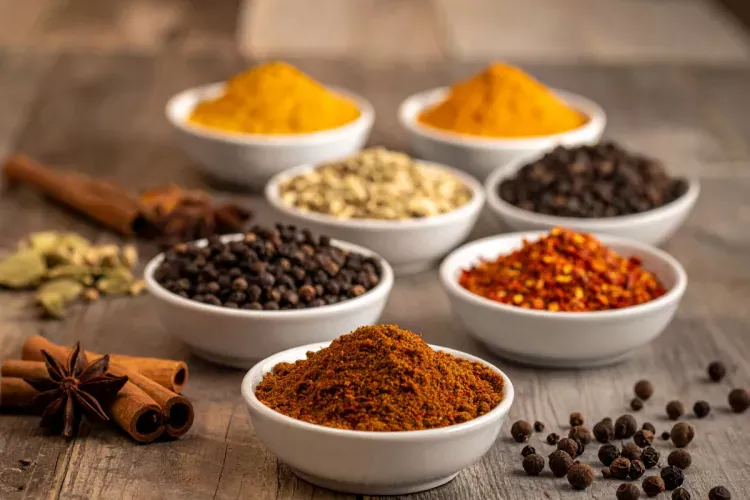
Spices are plant-derived substances used globally to create flavor profiles and provide health benefits. Before diving in, let’s clarify: spices typically come from seeds, bark, roots, or fruits of plants (think cumin seeds or cinnamon bark), while herbs are the leafy green parts (basil, oregano, parsley). Our focus here is 10 essential spices that belong in every home pantry.
If you’ve ever stood in front of a spice aisle wondering where to start, you’re not alone. Global spices are the foundation of nearly every cuisine on the planet, transforming simple ingredients into meals that carry the flavors of Mexico City, Mumbai, Marrakech, and beyond, reflecting the distinct flavor profiles of cuisines around the world. Global spices are essential for transforming everyday meals into vibrant dishes inspired by cuisines around the world. Spices are essential for enhancing the flavor of dishes across various global cuisines, and essential spices include cumin, coriander, turmeric, cardamom, and various chilies, forming the foundation of dishes in Indian, Middle Eastern, and Latin American cuisines. Spices have played a significant role in shaping global cuisines throughout history.
This guide is for beginner-to-intermediate home cooks looking to expand their global cooking repertoire. At World Food and Wine, we explore international recipes, cultural food stories, and wine pairings that bring the world to your table—and it all starts with what’s sitting in your kitchen cabinet.
We’ll mix cooking guidance with cultural context and practical pantry advice, all tailored to beginner-to-intermediate cooks who want to expand their repertoire without overwhelming their shelves. As you read, keep in mind that related recipe ideas, wine pairings, and recommended kitchen tools are available through our linked content and newsletter—resources built to help you put these spices to work.
The 10 essential global spices at a glance
Let’s answer the most important question first: which spices should you actually stock? Here are the 10 essentials that will cover the vast majority of global flavors you’ll encounter in international recipes. Spices are essential for enhancing the flavor of dishes across various global cuisines, and essential spices include cumin, coriander, turmeric, cardamom, and various chilies, forming the foundation of dishes in Indian, Middle Eastern, and Latin American cuisines.
- Cumin – Earthy and warm with a slight smokiness; essential in Mexican and Indian cooking
- Coriander – Citrusy and floral with mild sweetness; foundational in Moroccan and Indian dishes
- Paprika – Ranges from sweet to smoky to hot; central to Hungarian and Spanish cuisines
- Turmeric – Warm, earthy, and slightly bitter; iconic in Indian and Southeast Asian recipes
- Cinnamon – Warming and sweet with woody depth; used in Middle Eastern savory dishes and Western baking
- Black pepper – Pungent and versatile; universal across virtually all cuisines worldwide
- Chili flakes/Gochugaru – Adjustable heat with fruity notes; key in Italian, Korean, and Middle Eastern cooking
- Cardamom – Intensely aromatic with citrus and menthol; used in Indian chai and Scandinavian pastries
- Garam masala (or equivalent curry blend) – Warming and complex; gateway to Indian and Pakistani home cooking
- Sumac – Tart and lemony; essential in Levantine and Middle Eastern cuisines
Most recipes on World Food and Wine—whether Mediterranean, Middle Eastern, Latin American, or Asian—can be cooked with some combination of these 10. Stock these first, and you’ll have the foundation for global cooking at home.
Building a global spice pantry: How to choose & store
A well-organized pantry is the quiet engine behind everyday global cooking. When your spices are fresh, labeled, and easy to reach, you’re far more likely to experiment with new dishes rather than defaulting to the same three meals. Think of your spice storage as kitchen infrastructure—small investment, large returns, especially when paired with a thoughtfully stocked basic international pantry of core ingredients.
Buying: Whole or ground
| Format | Best for | Shelf life |
|---|---|---|
| Whole spices | Toasting, grinding fresh, slow-cooked dishes | 1–2 years when stored properly |
| Ground spices | Quick weeknight cooking, baking, rubs | 6–12 months for optimal flavor |
Whole spices retain their volatile oils longer—research suggests they outperform ground spices by 20–30% in flavor longevity. If you have a small spice grinder or even a dedicated coffee grinder, buying whole cumin, coriander, and black pepper and grinding as needed delivers noticeably better results. For convenience items like paprika and turmeric, pre-ground is perfectly practical.
Storage tips for keeping spices fresh
- Store in airtight jars away from heat and light
- Keep spices off the wall directly above your stove where heat degrades them quickly
- Label each jar with the purchase or opening date
- Consider a dedicated space on your shelves or in a drawer rather than scattered across cabinets
- Replace ground spices every 6–12 months; whole spices every 1–2 years
Budget-friendly strategies
- Buy small quantities from bulk sections—you’ll save money and ensure freshness
- Prioritize the 10 essentials before expanding to regional blends
- Focus on versatile spices that work across several cuisines (cumin alone works in Mexican, Indian, Middle Eastern, and North African dishes)
World Food and Wine’s recipe notes and pairing suggestions assume a basic pantry like this one, making it easy to explore global dishes without specialty shopping each time, supporting a broader adventure in global food and wine at home.
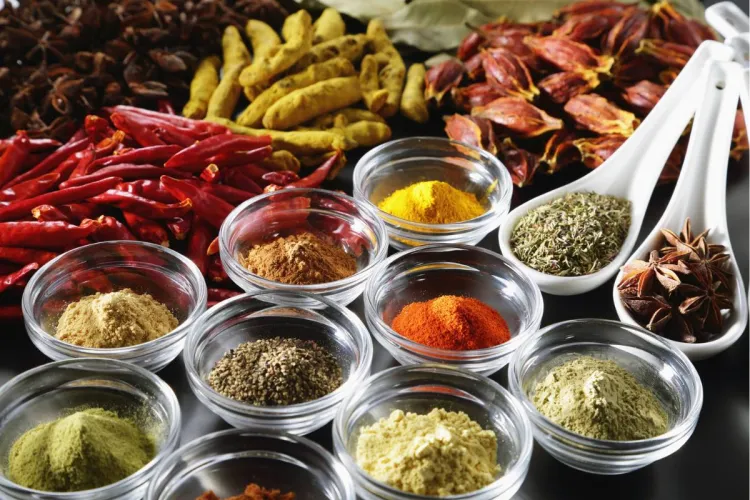
Cumin & coriander are the backbone of global savory cooking
If you learn to use just two spices well, make them cumin and coriander. These seeds form the backbone of savory cooking across North Africa, the Middle East, India, Mexico, and Latin America. They appear together so commonly because their flavors complement each other—cumin’s earthiness balances coriander’s brightness, creating a foundation that works with nearly any protein, vegetable, or legume.
Cumin
Cumin delivers that distinctive “chili” aroma you recognize from Mexican cooking and the warm depth in Indian dals. India dominates global production, supplying over 70% of the world’s cumin, which explains why it’s so central to South Asian cuisine.
Forms and uses:
- Whole seeds: Toast in oil at the start of cooking to bloom their flavor
- Ground: Add directly to spice rubs, taco seasonings, and soups
- Pairs naturally with beans, lentils, grilled meats, and roasted vegetables
Coriander
Coriander seeds taste nothing like fresh cilantro leaves (they come from the same plant but deliver completely different flavor profiles). The seeds bring citrus and floral notes that work beautifully in Moroccan tagines, Indian curries, and European pickling spice blends, and understanding how to use coriander as both spice and herb will expand its role in your kitchen.
Practical applications:
- Toast whole seeds in a dry pan before grinding for maximum aroma
- Add ground cumin and coriander to weeknight roasted vegetables
- Use both as a base for homemade taco seasoning or simple curry powder
Wine pairing notes
- The warm, earthy notes in cumin and coriander pair well with medium-bodied reds like Rioja for Mexican stews.
- Aromatic whites like off-dry Riesling complement Indian curries.
- These pairings allow the spices to shine without being overwhelmed by heavy tannins.
Paprika & chili flakes add color, smoke, and heat
This is where your pantry gains serious versatility. Understanding the difference between paprika styles—and keeping a good chili flake on hand—means you can add color, smoke, or heat to dishes as needed, adjusting intensity to your preferences.
Paprika styles explained
| Type | Flavor Profile | Classic Uses |
|---|---|---|
| Hungarian sweet | Mild, slightly sweet, vibrant red | Goulash, paprikash, deviled eggs |
| Spanish smoked (pimentón) | Deep smoky flavor, mild heat | Patatas bravas, paella, chorizo |
| Hot paprika | Moderate heat with pepper flavor | Robust stews, spicy rubs |
Hungary produces roughly 50% of the world’s sweet paprika, and the quality difference between fresh, well-sourced paprika and the dusty jar that’s been in your cabinet for three years is dramatic. If your paprika smells like nothing, it’s time for a replacement.
Chili flakes and gochugaru
Standard red pepper flakes add straightforward heat to Italian aglio e olio or pizza. Korean gochugaru brings something more complex—fruity, slightly sweet, with moderate heat that works beautifully in kimchi, marinades, and quick vegetable dishes.
Starter ideas:
- Sprinkle smoked paprika over roasted chickpeas for an easy snack
- Stir mild paprika into yogurt sauces for grilled meats
- Finish pasta or pizza with chili flakes at the table
- Use gochugaru for a 15-minute Korean-style cucumber salad
Pantry strategy
Stock at least one mild paprika, one smoked paprika, and one medium-heat flake like Aleppo-style or gochugaru. This combination provides the flexibility to add color, smoke, or spicy heat as any recipe demands.
Wine pairing notes
- Smoked paprika pairs well with Tempranillo or Grenache, illustrating how thoughtful food and wine pairing combinations can elevate even simple, spice-driven dishes.
- Chili flakes and gochugaru complement crisp, aromatic whites like Sauvignon Blanc or dry Riesling.
Turmeric & cinnamon give earthy golden roots and warming sweet spice
These two function as “bridge” spices—equally at home in savory meat stews and sweet baked goods, moving comfortably between Asian, Middle Eastern, and Western kitchens. Master them, and you’ll find they add to dishes you might not expect.
Turmeric: The golden spice
India supplies approximately 75% of the world’s turmeric, and records of its use stretch back over 4,000 years. The flavor is warm, slightly bitter, and earthy—it’s what gives curry powder its signature golden color.
Practical notes:
- A little goes a long way; start with 1/4 teaspoon and adjust
- Fresh turmeric root offers brighter flavor but requires peeling (and stains everything)
- Works beautifully in lentil soups, rice dishes, roasted cauliflower, and golden milk lattes
- The curcumin compound responsible for color is fat-soluble, so add turmeric to dishes with oil or butter
Cinnamon as more than just for baking
True Ceylon cinnamon from Sri Lanka has delicate citrus notes, while cassia cinnamon (from Indonesia and China) delivers the stronger, spicier flavor most Americans recognize. Both have their place.
Savory applications often overlooked:
- Moroccan tagines with lamb and dried fruit
- Middle Eastern rice pilafs
- Mexican mole sauces
- Braised meat dishes throughout the Mediterranean
Cooking tips:
- Add ground turmeric to lentil soups and rice for subtle color and warmth
- Use cinnamon sticks in red wine poaching liquids and mulled wine
- Combine both in Middle Eastern-inspired meat stews
Wine pairing ideas
- Cinnamon-spiced desserts pair naturally with fortified wines like tawny Port.
- Turmeric- and ginger-laced dishes work well with aromatic whites or lighter reds that won’t compete with the spice’s earthiness.
Black pepper & sumac add everyday lift and bright acidity
Black pepper needs no introduction—it’s the world’s most traded spice, found in virtually every kitchen on the planet. Sumac, its Middle Eastern counterpart, deserves equal space in your pantry. Together, they represent two ways to “lift” a dish: pungent heat and bright acidity.
Black pepper: The universal staple
Vietnam now produces 40–50% of global black pepper supply, and pepper commands over 33% of the global spices and seasonings market. Its piperine compound delivers pungency and actually enhances the bioavailability of nutrients in other foods.
Getting the most from pepper:
- Whole peppercorns for grinding fresh (the flavor difference versus pre-ground is significant)
- Coarse grind for steaks, rubs, and crusts
- Fine grind for sauces and baking
- Tellicherry peppercorns are larger and more aromatic; ideal for everyday use
Sumac: tart, citrusy, essential
Ground sumac berries deliver a tart, lemony flavor without adding liquid—perfect when you want acidity but don’t want to thin out a dish. It’s essential in Levantine cooking, appearing in fattoush salad, za’atar spice blends, and as a finishing sprinkle on everything from grilled meats to hummus.
Simple upgrades:
- Finish olive oil–dressed salads with sumac instead of extra lemon
- Pair freshly cracked pepper with strawberries and balsamic
- Use coarsely ground pepper in crusts for seared tuna or beef
Both spices work as “finishing” seasonings at the table, similar to a squeeze of lemon or a grind of salt. Consider keeping them near the stove or on the dining room table for last-minute additions.
Wine pairing notes
- Black pepper–forward dishes pair well with Syrah or Zinfandel.
- Sumac-accented salads and meats are complemented by crisp, citrusy whites like Pinot Grigio or Sauvignon Blanc.
Cardamom & garam masala are the gateway to Indian & Middle Eastern flavors
For many home cooks, Indian cuisine feels intimidating—long ingredient lists, unfamiliar techniques, and spices they’ve never used. Cardamom and garam masala are your accessible entry point, packed with complex flavor but simple to incorporate, much like the streamlined techniques that make Oriental home cooking with fresh ingredients approachable on busy weeknights.
Green cardamom: Intensely aromatic
Cardamom ranks as the third-priciest spice globally at $50–100 per kilogram, due to labor-intensive harvesting in Guatemala and India. The investment is worth it: green cardamom pods deliver an unmistakable aroma with citrus, floral, and menthol notes.
Where it appears:
- Indian chai and masala tea
- Scandinavian breads and pastries
- Arabic coffee
- Rice puddings and kheer
- Savory rice pilafs
Forms: Whole pods retain aroma longest; crush them lightly before adding to dishes. Pre-ground cardamom loses potency quickly—buy small quantities and replace often.
Garam masala: The warming blend
Garam masala translates roughly to “warming spices,” and the blend typically includes cumin, coriander, cardamom, cinnamon, cloves, and black pepper. Recipes vary by region and family—there’s no single “correct” formula, which makes it forgiving to use.
Key technique: Add garam masala near the end of cooking rather than the beginning. Heat releases its aromatics, but prolonged cooking can make the blend taste flat or bitter.
Practical suggestions:
- Add crushed cardamom pods to basmati rice while it simmers
- Use garam masala as a finishing spice in the last few minutes of cooking a curry
- Incorporate cardamom into spiced cakes, cookies, and poached fruits
Wine pairing notes
- Many garam masala–based dishes work best with aromatic, low-tannin wines like Gewürztraminer or off-dry Riesling.
- The sweetness and floral notes complement rather than clash with the spice blend’s complexity.
Planning meals around global spices: Simple weeknight ideas
You don’t need restaurant-level skills to use these spices effectively. A few simple meal templates can showcase global flavors using items you likely already have in your pantry, refrigerator, and kitchen storage, especially when you follow clear, well-structured recipe fundamentals and cooking instructions.
Sample meal ideas
- Cumin–coriander roasted vegetables with yogurt sauce (North African/Middle Eastern inspired): Toss carrots, chickpeas, or cauliflower with olive oil, cumin, coriander, and salt. Roast until caramelized. Serve over rice with a dollop of plain yogurt mixed with garlic and lemon.
- Smoked paprika and garlic chicken thighs (Spanish inspired): Rub bone-in thighs with smoked paprika, garlic powder, salt, and olive oil. Roast on a sheet pan at high heat until crispy. Ready in under 45 minutes.
- Turmeric, ginger, and coconut milk lentil soup (Indian inspired): Sauté onion, garlic, and fresh ginger. Add red lentils, turmeric, and coconut milk. Simmer until lentils break down. Finish with a squeeze of lime.
- Cardamom and cinnamon baked apples (Scandinavian/Middle Eastern inspired): Core apples, fill with butter, brown sugar, cinnamon, and crushed cardamom. Bake until soft. Perfect fall dessert with minimal effort.
- Gochugaru quick noodle bowls (Korean inspired): Toss cooked noodles with soy sauce, sesame oil, gochugaru, and a fried egg. Add vegetables as desired. On the table in 15 minutes.
Each of these meals works with simple wines and basic kitchen supplies—sheet pans, a heavy-bottomed pot, and a spice grinder handle most of the job, aligning perfectly with eclectic gourmet cooking on a budget that makes the most of pantry staples. Visit our showroom and recipe sections for detailed how-tos and specific bottle recommendations.
Extending your collection: From essentials to regional blends
Once you’re comfortable with the 10 essentials, you may want to explore regional blends that build on this foundation. These ready-made seasonings offer convenience and introduce you to specific cuisines without requiring a purchase of multiple individual spices, similar to how traditional Chinese cooking methods and preparations rely on key flavor bases used across many dishes.
Next-step spices and blends
| Blend/Spice | Origin | Flavor Profile |
|---|---|---|
| Za’atar | Levantine | Herby, tangy (thyme, sumac, sesame) |
| Berbere | Ethiopian | Warm, complex, moderately spicy |
| Ras el hanout | Moroccan | Floral, warm, aromatic |
| Chinese five spice | Chinese | Sweet, warm (star anise, cinnamon, cloves) |
| Harissa | North African | Smoky, spicy, garlicky |
| Herbes de Provence | French | Floral, herbaceous (lavender, thyme, rosemary) |
Many of these blends build on the core essentials—cumin, coriander, paprika, pepper, cinnamon—plus a few distinctive additions. If you can use garam masala, you can use berbere. If you understand sumac, za’atar makes immediate sense, just as experimenting with different styles and flavors of ketchup can broaden how you season everyday dishes.
Strategy for expansion: Try one new regional blend at a time in familiar formats—roasted vegetables, grilled chicken, simple stews—rather than overhauling your pantry all at once. This keeps things organized and prevents food waste from unused jars gathering dust on your cabinets.
Subscribe to the World Food and Wine newsletter for seasonal spice guides, wine pairing ideas, sponsored product spotlights, and curated kitchen tool recommendations. Each issue includes practical applications for these ingredients delivered directly to your inbox.
A small rack, big world of flavor
With just 10 essential global spices, a home cook can navigate recipes from multiple continents using a single, well-organized pantry. These aren’t exotic additions gathering dust on a shelf—they’re versatile everyday items that transform simple ingredients into meals worth talking about.
World Food and Wine exists to help you connect recipes, cultural stories, wine pairings, and carefully chosen kitchen tools that make using these spices easier and more enjoyable. From tableware to small appliances to the perfect wine pairing for your next dinner, we’re here to support your culinary exploration.
Take time this week to audit your current spice collection. Replace anything stale or past its prime, and slowly build toward this essential 10-spice set. The investment is small—both in terms of space and budget—but the return is a kitchen ready to meet virtually any global recipe you encounter.
Explore our spices and condiments section next, and bookmark this page as a reference when shopping or planning your next international menu. Your pantry—and your meals—will thank you.