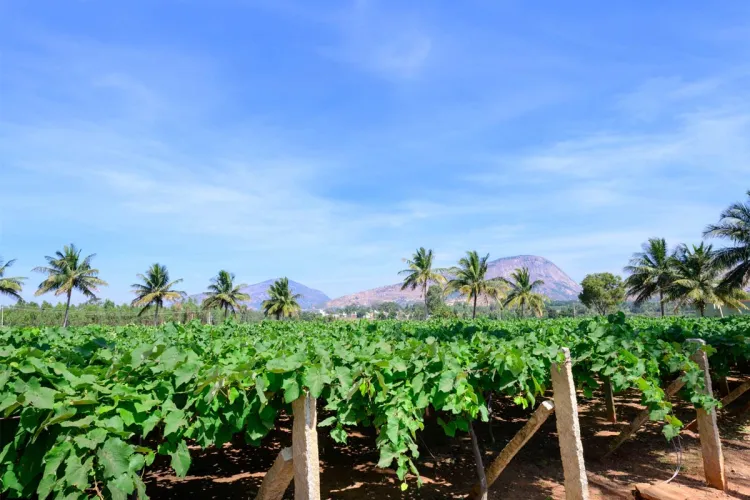
India's burgeoning wine industry.
India is globally celebrated for its vibrant, diverse culinary traditions, packed with rich spices and complex flavors. For centuries, traditional beverages and spirits dominated the local dining tables. Wine, on the other hand, experienced a much quieter existence. Grapes have been cultivated in the region since 300 BC, but the vast majority were enjoyed fresh at the table or dried into raisins.
Recently, a fascinating shift has taken place across the continent. Asian markets, historically not known for viticulture, are beginning to embrace the art of winemaking. Countries with challenging climates are investing in domestic vineyards, producing bottles that surprise and delight global critics.
India stands out as a particularly exciting frontier in this movement. A country with an emerging middle class, growing disposable income, and a deep appreciation for gastronomy is quickly discovering the joys of a well-poured glass. The journey of Indian wine is a story of passionate pioneers overcoming severe climate hurdles to craft world-class vintages that perfectly complement the country's extraordinary cuisine.
Historical context and the current landscape
Historically, wine held very little importance in the daily lives of most people living in Asia. The climate across large swaths of the continent simply did not encourage the delicate process of viticulture. However, the last few decades have seen a slow but steady transformation. China, Japan, and India are steadily developing a robust domestic wine industry, turning adverse conditions into opportunities for innovation.
In India, an estimated 90% of the annual grape harvest is still destined for the produce aisle or the drying rack. Only a small fraction, around 10%, makes its way into wine production. Even so, this small percentage is generating massive momentum. Early attempts at commercial winemaking yielded mostly ordinary table wines, but modern techniques and investments have elevated the quality dramatically. Today, specialized estates in Maharashtra, Karnataka, and Andhra Pradesh are proving that the region can produce premium bottles capable of competing on the international stage.
Key Indian wine regions and wineries
The success of the Indian wine movement is largely driven by a few visionary estates that saw potential where others saw only challenging monsoons and intense heat. Two regions have emerged as the absolute heartland of this viticultural revolution.
Maharashtra and its pioneering estates
Maharashtra is arguably the epicenter of Indian winemaking, boasting favorable altitudes and a growing community of dedicated vintners. Château Indage was one of the earliest pioneers to put the region on the map. Founded in 1982 after extensive research by French champagne experts, the estate became famous for its sparkling wines, most notably Omar Khayyam. They successfully demonstrated that Indian soil could yield sophisticated, celebratory beverages.
Today, Sula Vineyards holds a dominant position in the Nashik region of Maharashtra. They have mastered the production of intense, refreshing white wines. Their Chenin Blanc is a runaway favorite, celebrated for its subtle sweetness and perfectly balanced acidity, making it incredibly easy to drink. Sula also produces an exceptional Sauvignon Blanc, characterized by vibrant aromas and a crisp finish. Chardonnay is another white grape variety slowly gaining traction in their vineyards, showing great promise for the future of Indian whites.
The concentrated reds of Bangalore
Further south, the climate near Bangalore in Karnataka offers a different set of advantages, allowing red grape varieties to thrive. Grover Vineyards, established in the 1960s by the man often called the father of Indian viticulture, Kanwal Grover, has capitalized on this terroir.
Grover Vineyards focuses heavily on French grape varieties, producing a highly regarded range of concentrated wines. Their Cabernet Sauvignon offers deep, complex flavor profiles that pair wonderfully with hearty dishes. The estate also successfully cultivates Pinot Noir and Merlot, bringing a touch of classic European elegance to the Indian countryside. These full-bodied reds showcase the remarkable versatility of the subcontinent's varied growing zones.
Challenges and opportunities in Indian viticulture
Growing grapes for fine wine in Asia requires constant vigilance and adaptation. The climate presents distinct challenges that winemakers must navigate with precision and care.
Much like the Japanese wine regions of Yamanashi and Katsunuma, Indian vineyards face the looming threat of fungal diseases. High humidity and heavy monsoon rains create the perfect breeding ground for mildew. While Japanese estates in Hokkaido struggle with freezing temperatures, Indian vintners must protect their vines from intense, blistering heat. To combat these extremes, vineyard managers employ careful canopy management, ensuring grapes receive enough shade while maintaining proper airflow to prevent rot.
Despite these hurdles, the success of French grape varieties like Shiraz, Cabernet Sauvignon, and Chenin Blanc proves the resilience of these vines. The fact that currently only 10% of India's grape crop is used for wine points to a massive opportunity. As farming techniques improve and more farmers realize the economic potential of wine grapes, the volume and quality of production are expected to skyrocket.
The Indian wine consumer
The modern Indian dining experience is evolving rapidly. Urbanization and increased global exposure have cultivated a generation of enthusiastic food lovers eager to explore new flavors. As disposable incomes rise, so does the desire for premium lifestyle experiences, and wine fits perfectly into this new paradigm.
Consumers are moving beyond basic curiosity and are developing truly sophisticated palates. They are actively seeking out wine-tasting events, exploring eco-friendly packaging, and enthusiastically discussing tasting notes. Perhaps most exciting is how locals are pairing wine with traditional Indian cuisine. The refreshing acidity of a Nashik Chenin Blanc provides a beautiful counterpoint to spicy curries, while a robust Bangalore Cabernet Sauvignon stands up magnificently to rich, slow-cooked meat dishes.
The outlook for Indian wine
To fully appreciate India's rise, it is helpful to look at its neighbors. China has heavily invested in its own wine infrastructure. The Huadong Winery in the coastal Shandong province was one of the first to introduce modern techniques, utilizing European varieties like Riesling and Chardonnay. Similarly, the HuaXia winery in Hebei is famous for producing the Great Wall Red wine. Interestingly, much like India, only about 10% of China's massive grape acreage is dedicated to wine production, highlighting a shared pattern of agricultural priority.
Japan has a completely different climatic profile but shares the same pioneering spirit. The monsoonal weather makes grape growing difficult, forcing estates to be incredibly meticulous. Alongside European transplants, Japan has found great success with Koshu, a local white grape that produces delicate, food-friendly wines. Japan also boasts a rich tapestry of other alcoholic beverages, from traditional sake and shochu to world-renowned aged whiskeys, demonstrating a long-standing cultural appreciation for crafted drinks.
The next few years look incredibly promising for the Indian wine industry. Market forecasts suggest substantial growth, driven by shifting sociocultural norms and a young demographic eager to embrace wine culture.
We are likely to see continued innovation in the vineyards, with experimentation in drought-resistant grape clones and sustainable farming practices. As production scales up, Indian wines will increasingly carve out a niche on the global stage. International critics are already taking note of the unique phenolic ripeness and striking acidity found in these bottles. Export markets will likely expand, bringing the taste of Maharashtra and Karnataka to wine enthusiasts across Europe and North America.
A new chapter in global viticulture
The emergence of India as a serious wine-producing nation adds a thrilling new chapter to the global story of wine. From the early experiments of Château Indage to the modern triumphs of Sula and Grover Vineyards, the dedication of local winemakers is finally paying off.
This movement is bringing fresh, vibrant flavors to the table and proving that great wine can flourish in the most unexpected places. For anyone passionate about food, culture, and viticulture, the evolution of the Indian wine industry is a journey well worth following. Grab a bottle of Indian Chenin Blanc, pair it with your favorite spicy dish, and taste the future for yourself.