
A pairing guide for every dish.
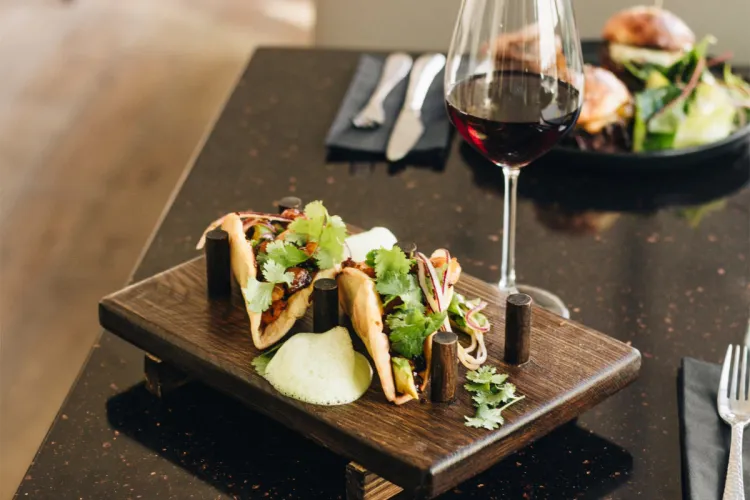
The assumption runs deep: Mexican food calls for beer or margaritas. Wine seems wrong somehow, too European, too delicate, too fancy for a plate of tacos or a bowl of mole.
The assumption is wrong.
The bold, complex flavors that make Mexican cuisine seem intimidating to pair are actually what make it exciting. The same intensity that overwhelms a timid wine creates beautiful harmony with the right bottle. And here's the thing most people don't realize: Mexico has its own wine region. Valle de Guadalupe in Baja California produces 90% of Mexican wine, with over 150 wineries crafting bottles that were designed, consciously or not, to sit alongside the food of their homeland.
This guide covers the principles, the pairings, and the practical advice you need to match wine with Mexican food — whether you're planning a Cinco de Mayo celebration or a Tuesday night taco dinner.
The fundamental principle: The sauce dictates the pairing
Forget the protein. In Mexican cooking, the sauce is the star.
A chicken taco with salsa verde needs a completely different wine than a chicken taco with chipotle. The meat is the same; the dominant flavor is not. When you're choosing a wine, ask yourself: what's the sauce? What's the dominant flavor profile? That's what you're pairing with.
This principle simplifies everything. Once you know how to match wines to verde sauces, mole, chipotle, and fresh salsas, you can navigate almost any Mexican menu.
General rules for pairing wine with spicy food
Mexican food ranges from mild to volcanic. The spicier the dish, the more these rules matter:
Off-dry wines tame heat. A touch of residual sugar counters capsaicin's burn. This is why off-dry Riesling works so well with spicy food — the slight sweetness soothes the palate without making the pairing feel like dessert.
High acidity refreshes. Bright, acidic wines cleanse the palate between bites. They cut through richness and reset your taste buds for the next forkful.
Low tannins work best with spice. High-tannin wines (young Cabernet Sauvignon, Barolo, Bordeaux) can clash with heat. The tannins amplify the burn rather than balancing it. Stick to low-tannin reds or skip to white and rosé when the spice level climbs.
Moderate alcohol is your friend. High-alcohol wines (above 14%) can intensify the perception of heat. Look for wines in the 12-13.5% range when pairing with spicy dishes.
Bubbles cleanse. Sparkling wine is secretly one of the best partners for Mexican food. The effervescence scrubs your palate clean, the acidity cuts through oil and fat, and the cold temperature is refreshing against heat.
White wines and Mexican food
White wines shine with Mexican cuisine, particularly with seafood, verde sauces, and dishes where freshness matters.
Sauvignon Blanc
Herbaceous, green, and high in acidity. The natural partner for anything verde.
Best with: Guacamole, enchiladas verdes, tacos with lots of cilantro, tomatillo-based salsas.
Why it works: The grassy, herbal notes in Sauvignon Blanc echo the green ingredients in the dish. It's a complementary pairing — similar flavors reinforcing each other.
Chenin Blanc
Tropical fruit, stone fruit, and enough body to handle bold flavors. Particularly good with heat.
Best with: Spicy dishes, chiles rellenos, huevos rancheros, anything with a bit of kick.
Why it works: Warm-climate Chenin Blanc (from South Africa or Mexico's own Valle de Guadalupe) offers tropical fruit sweetness that balances spice without being cloying.
Albariño
Crisp, citrusy, with a hint of salinity from its coastal origins in Spain's Rías Baixas. Made for seafood.
Best with: Ceviche, fish tacos, shrimp dishes, aguachile.
Why it works: The bright acidity mirrors the lime in ceviche. The subtle saline note echoes the ocean. It's a natural coastal pairing.
Riesling (Off-Dry)
The spice-tamer. When dishes climb into serious heat territory, off-dry Riesling is your safety net.
Best with: Very spicy salsas, habanero-heavy dishes, anything that makes you reach for water.
Why it works: The sweetness counters capsaicin. The acidity keeps things fresh. The lower alcohol doesn't amplify the burn.
Chardonnay (Oaked)
Rich, toasty, with notes of vanilla and nuts. A surprising match for complex moles.
Best with: Mole poblano, mole negro, dishes with nutty or chocolate elements.
Why it works: Oaked Chardonnay's toasty, nutty character complements the ground nuts and complex spice blends in mole. It's an unexpected pairing that works beautifully.
Rosé and Mexican food
If you're unsure what to pour, pour rosé. It's the universal answer.
Dry rosé with good body — think Bandol, Tavel, or Grenache-based rosés — bridges the gap between white and red. It has enough fruit to complement pork and meat dishes, enough acidity to handle spice, and enough freshness to work with lighter fare.
Best with: Tacos al pastor (the pork, spices, and pineapple love rosé), seafood tacos, fruity pico de gallo, mixed taco platters where you're eating a bit of everything.
Why it works: Rosé doesn't fight for attention. It complements without overpowering. When a table is sharing multiple dishes with different flavor profiles, rosé adapts to all of them.
Red wines and Mexican food
Red wines work with Mexican food — you just need to choose carefully. Avoid high-tannin, high-alcohol monsters. Look for fruit-forward, lower-tannin reds with good acidity.
Pinot Noir
Light body, low tannins, earthy notes. The red wine for people who think red wine doesn't work with Mexican food.
Best with: Carnitas, barbacoa, smoky pulled meats, pork tacos.
Why it works: Pinot Noir's earthiness complements slow-cooked, smoky meat. The low tannins don't clash with spice. The acidity cuts through fat.
Zinfandel
Fruit-forward, often with a touch of residual sugar, and naturally suited to sweet-savory dishes.
Best with: Mole, adobo sauces, dishes with dried chiles and chocolate notes.
Why it works: Zinfandel's ripe fruit and slight sweetness mirror the complex sweet-spicy-savory balance in mole. Some Zinfandels carry chocolate and spice notes of their own, creating a complementary match.
Tempranillo
Spain's great red grape, with red fruit, spice, and leather notes. Young, unoaked versions work best.
Best with: Cochinita pibil, tacos with chorizo, tinga, meaty tacos with bold flavors.
Why it works: Tempranillo's spicy notes complement the spices in Mexican cooking. The fruit is forward but not jammy. Young Tempranillo keeps things fresh rather than heavy.
Malbec and Syrah
Bold, smoky, and substantial. For when the food is equally bold.
Best with: Chipotle-heavy dishes, grilled meats, carne asada, anything with serious smoke.
Why it works: These wines can stand up to smoky, charred flavors without being overwhelmed. The match is congruent — bold meets bold.
Cabernet Franc
Earthy, herbal, with a lighter body than Cabernet Sauvignon.
Best with: Tamales.
Why it works: The earthy notes in Cabernet Franc complement the dense masa. The lighter body doesn't overwhelm the filling. The herbal character works with the corn husk aroma.
Mourvèdre (Monastrell)
Fruity, spicy, earthy, and not too tannic.
Best with: Fajitas, especially beef.
Why it works: Mourvèdre's combination of fruit and earth matches the seared meat and peppers. It's dry but not austere, spicy but not overwhelming.
Sparkling wine and Mexican food
Here's the secret: sparkling wine might be the single best category for Mexican food.
Cold temperature. Refreshing bubbles. High acidity. Low to moderate alcohol. The effervescence scrubs oil and fat from your palate. The chill soothes heat. The acidity resets everything between bites.
Best with: Fried dishes (tostadas, chimichangas, chilaquiles), anything oily, tortillas (the yeasty notes in Champagne and Cava complement the corn), and surprisingly, mole.
Why Champagne with mole works: The toasty, brioche notes in aged Champagne echo the toasted ingredients in complex moles — the charred chiles, the fried bread, the ground nuts. It's an unexpected pairing that sommeliers love to recommend.
Best options: Cava (Spanish, affordable, perfect for casual meals), Prosecco (fruit-forward, crowd-pleasing), Crémant (French sparklers from outside Champagne, great value), or Champagne itself for special occasions.
Quick Reference: Dish-by-dish pairings
| Dish | Wine pairing |
|---|---|
| Tacos al pastor | Dry rosé, young Tempranillo |
| Fish tacos | Albariño, Pinot Gris, Vinho Verde |
| Carnitas | Pinot Noir |
| Ceviche | Sauvignon Blanc, Albariño, Cava |
| Mole poblano | Zinfandel, oaked Chardonnay, Champagne |
| Chiles rellenos | Syrah, Chenin Blanc |
| Enchiladas verdes | Sauvignon Blanc |
| Guacamole | Sauvignon Blanc, Grüner Veltliner |
| Tamales | Cabernet Franc, Tempranillo |
| Chili con carne | Carménère, Zinfandel, GSM blends |
| Fajitas | Mourvèdre, Monastrell |
| Churros with chocolate | Moscato, Pedro Ximénez |
| Flan | Pedro Ximénez, late-harvest wines |
Mexican Wine: Valle de Guadalupe and Beyond
Yes, Mexico makes wine. And it's worth seeking out.
Valle de Guadalupe sits in Baja California, roughly 90 miles south of San Diego. This 14-mile valley produces approximately 90% of Mexican wine, with over 150 wineries ranging from large commercial operations to tiny boutique producers.
The region's history predates most American wine regions. Dominican missionaries planted vines here in 1834. Further south, in the state of Coahuila, Casa Madero was founded in 1597 — making it the oldest winery in the Americas.
The climate: Mediterranean, similar to parts of California and southern Spain. Hot, dry days. Cool ocean breezes at night from the nearby Pacific. The soil is granite-rich alluvial, reminiscent of the Northern Rhône.
The grapes: Cabernet Sauvignon, Tempranillo, Nebbiolo, Chenin Blanc, Chardonnay, Zinfandel, Malbec, and many others. Mexican winemakers aren't bound by European appellation rules, so blends can be delightfully unorthodox — Cabernet Sauvignon with Grenache and Barbera, for example.
The style: Bold, fruit-forward wines that ripen quickly in the warm climate. Many carry a subtle saline note — the irrigation water drawn from underground wells is high in salinity, and that hint of salt makes its way into the wines. It's a signature of the region.
Notable producers to look for: L.A. Cetto (one of Mexico's largest and oldest), Monte Xanic, Casa de Piedra (known for sparkling wines), Vinos Lechuza (their wines have appeared on the French Laundry's list), and Bruma (small-production, increasingly biodynamic).
Mexican wines aren't widely exported, but they're worth seeking out if you spot them — or worth a trip if you're in Southern California. The Ruta del Vino connects over fifty wineries, and the region has developed world-class restaurants to match.
Practical advice for your next Mexican meal
When in doubt, start with rosé or sparkling. Both work across a wide range of dishes. If you're sharing a mixed platter of tacos with different fillings, these are your safest bets.
Match the sauce, not the meat. A verde sauce wants Sauvignon Blanc. A mole wants Zinfandel. The protein is secondary.
Don't fear sweetness with spice. Off-dry wines aren't just acceptable with spicy food — they're often ideal. The sweetness tames the burn.
Skip the tannic reds when heat is high. Save your Cabernet Sauvignon for dishes with mild spice. When the habaneros come out, switch to white, rosé, or low-tannin reds.
Try Mexican wine if you can find it. The pairing makes sense on every level — the wines evolved alongside the food, shaped by the same climate and culture. There's a natural harmony there.
The next time you sit down to tacos, mole, or enchiladas, skip the beer. Open a bottle instead. The pairing possibilities are wider, deeper, and more interesting than you might expect.